10 Proven Ways to Destroy Self-Doubt and Build Unshakable Confidence

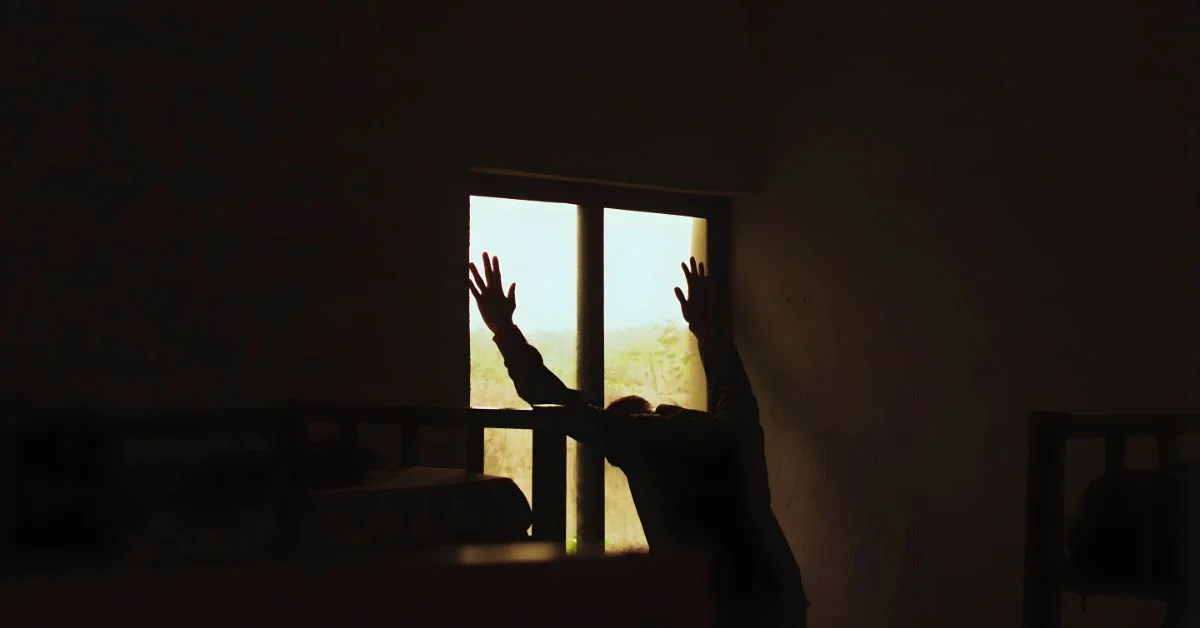
Some people doubt their plan when they take a big move. You tell your self “yes, this time.” Then a cold, flat voice in your head says “no. Not you. Not now.” And you stop. Not from lack of skill. Not from lack of time. You stop from doubt. That one quiet word that live in the head like a bad guest who pay no rent.
The hard part is this. Doubt does not show up like a loud lie. It show up like calm truth. Like logic. Like a wise old friend who just want what is best for you. That is why it win so much. It wear the face of reason.
What most books and coaches miss is that doubt is not a flaw in you. It is a feature of the mind. A very old one. Built to keep you safe, not to keep you free. And once you see that, the whole game change.
The Voice in Your Head Is Not You
There is a part of the brain that scan for danger all day. Not for joy. Not for growth. Just for threat. When it find one, it fire a warn. That warn feel like truth. It feel like fact. Like “don’t go there. You are not ready. They will see you fail.”
But feel like truth and be the truth are two very different things.
Most of us grew up think that if the mind say it, it must be real. We trust our thoughts the way we trust a close old friend. But the mind is not a friend. It is a guard dog. And a guard dog bark at all, even at the good things, even at the open door.
This is the first and most deep thing to know about doubt. It is not a sign that you are weak or broke or less than others. It is a sign that your brain is doing what brains do. The brain of a bold man and the brain of a shy man both produce fear. What differ is what each man do with that fear.
So what do you do? You start to watch the voice, not obey it. When the doubt come, you don’t fight it. You don’t say “you are wrong.” You just say, quiet and calm, “there you are again.” You name it. You see it. And then you walk on past it like a cloud in the sky that you note but don’t chase.
This act of watch your own thoughts from a small step back, what some call “the witness state,” is the start of all real work on the self. You are not your thoughts. You are the one who can watch them. That gap, small as it seem, is where real power live.
Way 1: Stop the Fight With the Doubt Voice
Most tips on doubt say “think more good thoughts.” Push out the bad. Stay in the bright. But that does not work long. You push the doubt down and it come back up with more force, like a ball held under water.
What work far more is to let the voice speak and then not feed it. Not act on it. Not hide from it. Just hear it, like you hear rain on a roof. Present. Real. But not in charge.
The mind that can hold fear and still walk is a strong mind. Not the mind with no fear. The mind with no fear is just a mind that has not met a real test yet.
A man who has lost a job and try for a new one, who feel sick with doubt but send the form any way, he is not without doubt. He is just more done with the wait than he is scared of the fail. That gap, that tiny edge of “the wait is more pain than the risk,” is all it take to move.
So stop try to kill the doubt voice. Start try to be done with it. To bore of it. To let it talk and then turn the page.
This is hard at first. But with time, the voice get less loud. Not because it went away. But because you stop give it the big stage it want.
Way 2: Do the Hard Thing First
Each day, most of us save the hard thing for last. We do the easy, the safe, the small. And we tell our self “later.” But later is where hard things go to die.
There is a real link in the mind between what we do and what we think we can do. Each time you do a hard thing, the brain take note. It build a file of “things we have done.” And each time you skip the hard thing, it build a file of “things we avoid.” After years of this, the avoid file get big and the done file stay thin.
The way to flip this is not to try to be brave in one big leap. It is to do one hard thing each day, first thing, before the small tasks eat your will.
Will is not a well that refill by end of day. It drain as the day go on. Most of us spend the best of our will on low-stakes choice and then have none left for the things that need it most. By the time the big task sit in front of us, we are too low to face it.
So pick one hard thing. The call you keep not make. The page you keep not write. The ask you keep not ask. Do it first. Do it before the inbox, before the news, before the chat. Do it when the mind is still fresh and the will is still full.
Each time you do this, you add one mark to the “I have done hard things” file. And that file is what real trust in the self is made of. Not hope. Not plan. Done things.
Way 3: Keep the Word You Give to Your Self
Here is a thing most books never say out loud. The trust you feel in your self is built the same way trust in others is built. One kept word at a time.
When you tell a friend “I will meet you at ten” and you show up at ten, they trust you more. When you say “I will help you move on the week end” and you show up, they trust you more. The trust grows from kept words.
But most of us keep our words to others far more than we keep them to our self. We say “I will get up at six” and then hit the delay. We say “I will stop eat late” and then eat late. We say “I will call that man back” and we do not.
Each time you break a word to your self, some thing in the deep part of you take note. It does not rage or cry. It just mark it. And with each mark, it trust you less. It start to think “your words mean little.” And that is the root of most deep doubt. Not past fail. Not hard life. It is the gap, grown big, between what you say and what you do.
The fix is not to make big bold plans and then push hard. The fix is to make small, clear, real plans and then keep them. Even tiny ones. “I will drink one glass of water when I wake.” Keep it. “I will walk for ten min at noon.” Keep it. “I will read four pages each night.” Keep it.
With each kept word, even small, the trust in your self grow. And as that trust grow, the doubt shrink. Not from hype or pump talk. From real proof. Your own proof.
Way 4: Stay With the Fear, Not Away From It
Here is the thing most of us do with fear. We feel it, and we turn back. We call it “not the right time.” We call it “need more prep.” We call it “just not there yet.” But what we mean is: we felt the fear and we chose the exit.
And that exit, each time we take it, teach the brain that the fear was right. That the threat was real. That we were right to run. The brain learn fast. It take that lesson and use it next time, and the next, and the next. And each time, the fear get more power, the doubt get more deep.
The way to break this is not to “face all fear with no prep.” That is just rash. The way is to stay just a bit past the point where you want to run. Not to the end. Just past the first urge to go.
When you get on a call that make you sweat, and you feel the urge to hang up fast, stay one more min. When you go to a room full of new faces and feel the urge to stay by the wall, take one step to the room. Not the full room. Just one step past the wall.
Each small stay, each small “I did not run,” is a new data point. The brain look at it and think “oh. We did not die. The fear was big but the real harm was small.” Over time, with real proof, the brain re-set. It stop fire the alarm so loud for the same old scene.
This is what some call “exposure work” in the world of mind study. But you do not need a lab or a coach to do this. You just need the will to stay one beat past the run urge. One beat. That is all.
Way 5: Drop the Need to Look Good
This one hurt a bit to hear. But a large part of doubt is not really fear of fail. It is fear of look bad. Of being seen to fail. Of the eyes on you when it all go wrong.
And that fear, the fear of the gaze of others, is one of the oldest in the human mind. Back in old tribe days, to be cast out from the group was to die. The tribe was life. And so the brain built a deep fear of what the group think. That fear is still there. It did not go away just because we now live in safe homes and buy food from shops.
But most of us are not in a tribe any more where one bad move end us. We are in a world where fail is just a data point. Where most of the eyes we fear are not even on us at all. The mind make the gaze feel huge. Real talk: most people are too caught in their own head to watch yours.
There is a shift that free a lot of people and it is this: move the aim from “look good” to “learn fast.” When look good is the goal, each risk is a threat. When learn fast is the goal, each risk is a tool. The frame flip the whole game.
When you go to a room and you know you might say a wrong word or ask a dumb ask, and you are okay with that, you move with a kind of ease that people feel. They call it “calm.” They call it “sure of self.” But what it is, is just the lack of the need to be seen as good. That lack, that drop of the need, is what let the real self come out.
Way 6: Find the Gap in What You Know
Some doubt is not just fear. Some of it is real. It come from a real gap in what you know or can do. And the worst thing you can do with that kind is to push through it with hype talk and bold face.
The move here is to see the gap, name it, and close it. Not to fake past it.
There is a kind of false bold that come from not know what you don’t know. It look like sure of self. But it is just lack of map. Real sure of self know the edge of the map and is honest about it.
When you feel doubt in a field or task, ask your self this plain ask: “Is this doubt from fear, or from a real hole in what I can do?” If it is fear, the fix is to act past it. If it is a real hole, the fix is to fill it.
Find one book, one course, one talk, one real man or woman in that area who know more than you. Spend time there. Ask plain asks. Take your ego out of the room and just learn. Each thing you learn fill part of the hole. And as the hole fill, the doubt fade. Not from talk. From real skill.
This is why some people in their own field feel very sure of self, and the same people in a new field feel lost and small. It is not that their worth went up or down. Their map just got more detail in one area than the other.
Way 7: Use the Body to Change the Head
Most of what we call “mind work” we do while sit still, lean in a chair, eyes on a wall. But the body and the mind are not two things. They are one. What one does, the other feel.
When you stay still all day, the mind drift to old loops. Old fear. Old doubt. The body at rest send a calm signal to the brain that say “no threat, but also no move.” And the mind use that still time to go back to the same old rooms.
When you move the body, things shift. Not as self-help hype. As real fact. Move of the body raise the rate of blood flow to the front part of the brain, the part that plan, solve, and feel sure. The same part that go quiet when fear take over.
A walk of twenty min, each day, not as a fix but as a rite, change the brain over time. Not the same as a big gym goal that fade in a week. A small, kept move. A rite. Your own rite.
There is also the way the body hold the fear. When a person doubt, they tend to close. Chest pull in. Eyes down. Voice go small. Breath go short. And the brain read all of this and say “yes, threat is real. Stay small.”
A shift in how the body is held can start to shift the brain. Not by fake it, but by give the brain new data. Chest a bit more wide. Breath a bit more deep. Head a bit more up. These are not tips to “look more bold.” They are signals sent back to the brain from the body that say “the state is safe. We can move.”
Way 8: Stop the Compare Game
Doubt grow fast in soil that is made of compare. When you look at where some one else is and use it as the mark for where you should be, you set a race that has no end and no win.
The mind is very bad at fair compare. It pick the peak of the other and the low of the self. It see the best frame of some one else’s life and put it next to the hard, raw truth of your own. That is not a fair race. That is a rig game.
And with the way we live now, the compare game is on all day. You wake up and the first thing you see is the win of some one else. The deal they got. The body they have. The life they seem to live. All of it curated to show the top. None of it the real, full, mess that it also is.
Some one who look very put-together from the out side is also, most of the time, also mess up in ways you just can not see. This is not a mean thing to say. It is just true. Life is not a top-only game for any one.
The way to get free from the compare trap is to pick one person to compare with: your self, from last year. From last month. From last week. Ask not “how do I rank next to them?” Ask “have I grown from where I was?” That is the only race worth run.
Way 9: Build One Win at a Time
A lot of sure-of-self advice tell you to “think big” and “dream bold.” And long-term, yes, some of that help. But in the short days, when doubt is fresh and the self-trust is thin, what you need is not a big dream. You need a small win. A real one. One you can hold.
The brain build trust in you the same way a wall gets built. One brick. Then one more. Then one more. You can not put the whole wall up in one day. And if you try, it will fall.
So the work in the hard days is to find the win that fit today. Not the win you wish you could have. The one that is real and close and in reach. Then go get it. Then let the brain feel it. Don’t rush past it. Don’t say “but that is just a small thing.” To the brain, a kept win is a kept win. Size is less the point than truth.
Over weeks of this, the file of real wins get full. And a full file is the best cure for doubt that has ever been found. Not by any lab. Not by any book. By life. By the lived fact of: “Look at all the things that once felt too big, that I did any way.”
Way 10: Let Go of the Old You
Here is the last and maybe the most true thing. A lot of doubt is not about the future at all. It is about an old self that you still carry.
A fail from five years back. A word some one said that stuck. A time you tried and it did not work. These old marks, if you hold them too long, start to feel like fact. Like who you are. Like your fixed state. But they are not. They are just old data. And old data is not always the right map for a new land.
The self is not a fixed thing. Most of the cells in your body will be new in the next few years. The mind can re-set too. Not by deny the past. Not by rewrite it. But by let it be what it is: old. Done. Past.
You are not the you who failed that time. That you was in a different place, with different tools, at a different point in the path. What that you went through built the now-you. But the now-you is not bound by those old marks.
The way to let the old you go is not one big moment of let go. It is a slow, quiet turn of the head. Away from the old file. Toward the new move. Again and again. Each time the old voice come back with an old story, you note it, and you turn back to the now. To the move in front of you. To the work you can do today.
That turn, done many times, is what change look like from the inside. Not a big boom. A slow and steady shift of where you look.
What to Take With You
- Doubt is not a sign of low worth. It is just a very old warn system that fire too much.
- The trust you feel in your self grow from kept words, not from pump talk.
- Each time you stay past the first urge to run, the brain re-learn what is real threat and what is just fear.
- Compare with your past self is the only game that is not rigged from the start.
- Small, real wins, done again and again, fill the self-trust file more than big hopes ever can.
- The old you is not the now you. Old data is not a fixed truth.
Last Thought
There is no one day when you wake up and the doubt is gone. That is not how this works. But there is a day, quiet and not very big, when you note that the doubt voice is still there, but your feet are still moving. And that, more than any big win, is what real sure of self feel like. Not the absence of doubt. Just the choice to move past it, one step at a time, one day at a time, for real.
As William James, who many call the father of modern mind study, once put it in his own plain way: “Act as if what you do makes a difference. It does.”
That is the whole of it, really. Act. Then act once more. Let the proof build slow. And trust that the person who keeps moving will, in time, stop doubt that they can.