15 Situations Where Silence Says More Than Words

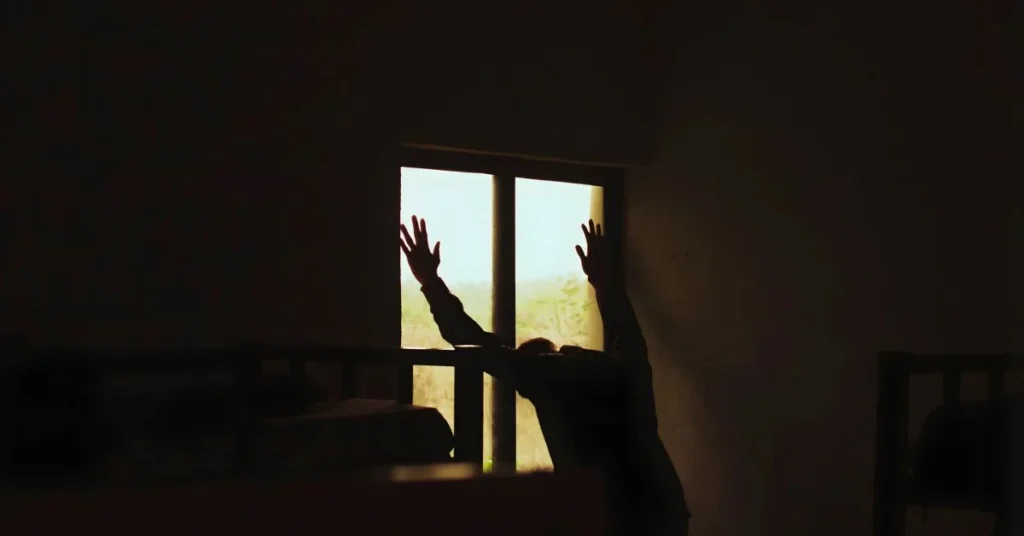
Every human being in this world faces such a situation when speech feels small, almost inadequate. Words that once seemed enough suddenly feel heavy, clumsy, or even intrusive. Often, the spaces between words carry more weight than the words themselves. Silence, in its patient way, holds meaning, and that is the most powerful weapon you may not know. It listens, it waits, it observes, and often, it says more than anything that could be uttered aloud.
These are not lessons or rules. They are glimpses into human behavior, moments when silence becomes a language of its own. It is subtle, sometimes uncomfortable, but always telling.
1. When Someone Is Grieving
Observing those who are mourning, sitting in a room where others chatter, shows that speech is not always necessary. A hand on the shoulder, a quiet presence, a pause that does not demand explanation often carries more meaning than any sentence.
Grief is loud enough without speech. Attempts to speak over it can feel hollow or clumsy. Silence allows for shared space, a mutual recognition of pain. The rhythm of quiet, slow breathing and glances that meet and then look away communicates deeply and fully without a single syllable.
2. During a Heated Argument
In heated disagreements, continuing to argue often adds nothing. Silence can act as a mirror, signaling pause, thought, and restraint. It acknowledges tension without feeding it, reflecting respect for the other person’s feelings in a way words cannot.
Silence allows space for reflection and understanding to rise naturally. Many arguments dissolve in quiet moments that would otherwise be filled with repetition and stubbornness.
3. When Receiving Unexpected Praise
Praise can feel awkward when it arrives unannounced. A quiet smile, a nod, a brief pause often communicates more genuinely than a string of words.
Silence in these moments reflects authenticity. It signals that the recognition is felt deeply, beyond the need for verbal acknowledgment. Observers respond to the stillness with a sense of realness, a subtle acknowledgment of shared humanity.
4. In a Moment of Shock
Shock often steals words. When sudden news arrives, silence allows time to sit, look, breathe, and process.
In these moments, silence communicates truths that speech cannot. It is raw, unpolished, and sometimes unsettling, but it brings people together through shared recognition of reality. Silence in shock is often the first, most honest response.
5. When Words Would Hurt More Than Help
In some arguments or tense situations, saying anything can deepen the wound. Choosing silence can act as a form of care.
Silence preserves the fragile state of a relationship. It prevents regret and communicates understanding more fully than immediate responses. Restraint, though uncomfortable, often conveys empathy and thoughtfulness.
6. In the Presence of Awe
Experiencing vast beauty, such as a sunrise, ocean, or human act of kindness, often renders words inadequate. Silence allows the moment to resonate fully.
It communicates reverence and absorption. Attempts to describe such moments tend to flatten the experience. The hush that lingers, shared quietly with others, acknowledges that some things are beyond speech.
7. When Saying Goodbye
Parting words often fall short. At train stations, airport gates, or doorways where friends or loved ones leave, silence carries more weight than any farewell.
Silence signals understanding and shared emotion in ways words cannot match.
8. When Waiting for Someone to Speak First
In delicate conversations, pauses often occur when both parties sense the need for honesty but hesitate. Waiting quietly can reveal more than speaking first.
Silence invites the other to reveal themselves. It reflects patience, attentiveness, and genuine interest. The absence of immediate response creates a subtle gravity that encourages openness and vulnerability.
9. During Intense Concentration
Artists, writers, and craftsmen often work in silence. Words in these moments would distract or diminish the act itself.
Silence communicates dedication, focus, and respect for the craft. Observing someone work quietly reveals values, habits, and inner life more fully than any conversation could. Some truths are felt, not spoken.
10. When Comforting Someone Who Is Hurt
Sitting with someone in pain without attempting to explain or fix it communicates care more effectively than words.
Silence acknowledges suffering without overwriting it. A quiet presence reassures, communicates solidarity, and signals that the person is seen and not alone. The act of staying without speech is a profound message in itself.
11. In Shared Longing
Silent glances can carry histories, unspoken desires, or mutual understanding.
These quiet connections feel rare and fragile. Words often spoil them, turning mystery into the mundane. Silence in these moments communicates intimacy and recognition without exposition, creating bonds that speech might dilute.
12. When Someone Is Struggling With a Decision
During moments of difficult decision-making, excessive talk can feel intrusive. Silence provides space to think, breathe, and reflect.
The quiet shows respect for the decision-making process. It gives ownership of the choice to the person facing it, acknowledging that observation and presence matter more than direction. Presence without interruption encourages clarity naturally.
13. In Moments of Embarrassment
When someone stumbles, misspeaks, or falters, silence often protects dignity.
Responses such as laughter, correction, or commentary can compound discomfort. Silence conveys patience and empathy, signaling: “This is okay, no harm done, continue to exist as you are.”
14. When Experiencing Joy Together
Joy is not always verbal. Watching sunsets, sharing laughter, or simply enjoying a moment can be enhanced by quiet intervals between sound.
Silence allows feelings to resonate fully. It preserves the intensity of the experience without forcing interpretation. The pauses between laughter or conversation carry the joy as vividly as the moments themselves.
15. When Reflecting Alone
Quiet moments with oneself, whether over morning coffee, empty streets, or late-night thoughts, allow insights that words cannot frame.
Reflection thrives in absence of speech. Silence permits honesty, recognition of patterns, and emergence of understanding. These quiet hours often communicate the clearest truths.
Key Takeaways
- Silence communicates presence, care, and understanding more powerfully than speech.
- Words can dilute or distort; silence preserves and honors moments.
- Emotional depth—grief, joy, awe—is often experienced, not narrated.
- Observing someone in silence reveals patterns of thought, character, and feeling.
- The absence of speech can create connection, reflection, and clarity.
Conclusion
Silence is not emptiness. It is a conversation without noise, a witness to truth, a space where meaning lingers. As Rumi wrote, “Silence is the language of God; all else is poor translation.” The most important words are often not said at all, simply felt, observed, and remembered.