10 Money Lessons Learned from Private Jet Owners

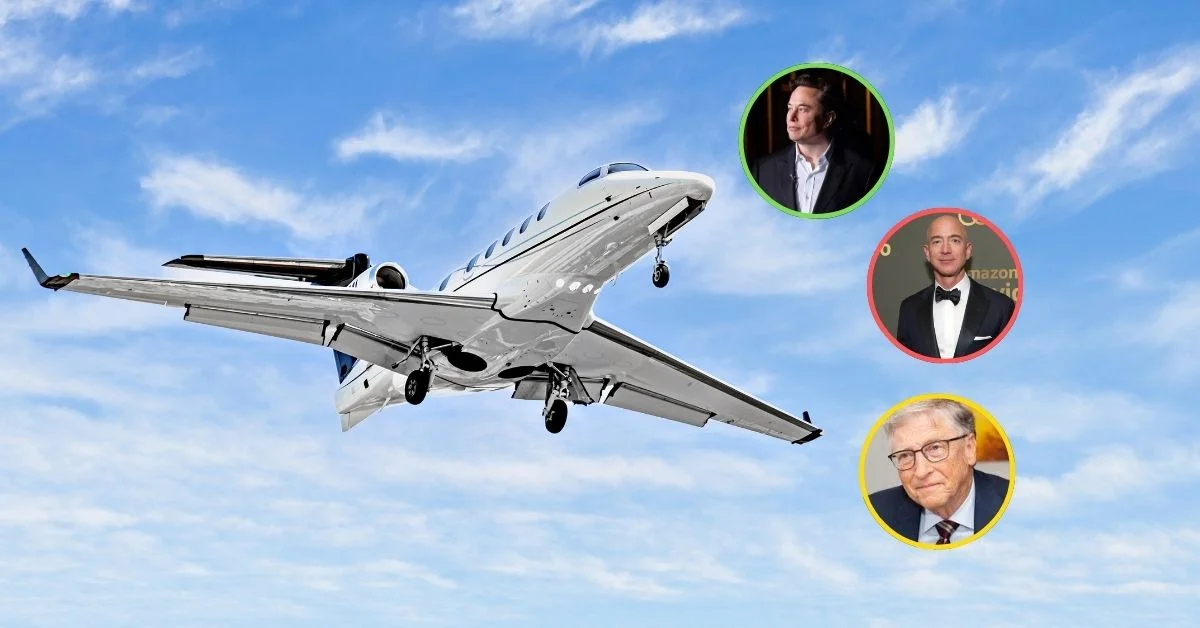
If you observe people who own private jets. At first glance, it might seem like a world defined by excess gleaming fuselages, custom interiors, and a freedom to move that few of us can imagine. Yet, if you lean in a little, listen to the stories that ripple between takeoffs and landings, a different truth begins to surface. It’s not about money as we usually think of it, like salary, profit, or net worth, but about attention, patience, and the subtle ways choices compound over decades.
There are many noticing factors in this from the edges: conversations at airports, chance introductions through friends, moments shared in lounges or briefings. The lessons are not flashy. They aren’t about making a fortune fast or the thrill of a deal. They are quieter, almost invisible, but they leave a mark on the way these people navigate their lives. Here’s what I’ve noticed.
1. Money is a tool, not a badge
Many people assume private jet owners are obsessed with display. Some are, of course. But the ones who’ve lasted, the ones whose wealth seems unshakable, treat their resources like a finely tuned instrument. They spend, yes, but they spend with purpose. When they talk about acquisitions, the conversation always drifts back to what the asset enables, not what it signals. A jet isn’t a billboard; it’s a bridge. This subtle shift in perception, seeing money as mobility, as time bought, as possibilities unlocked, is one I’ve found myself revisiting often.
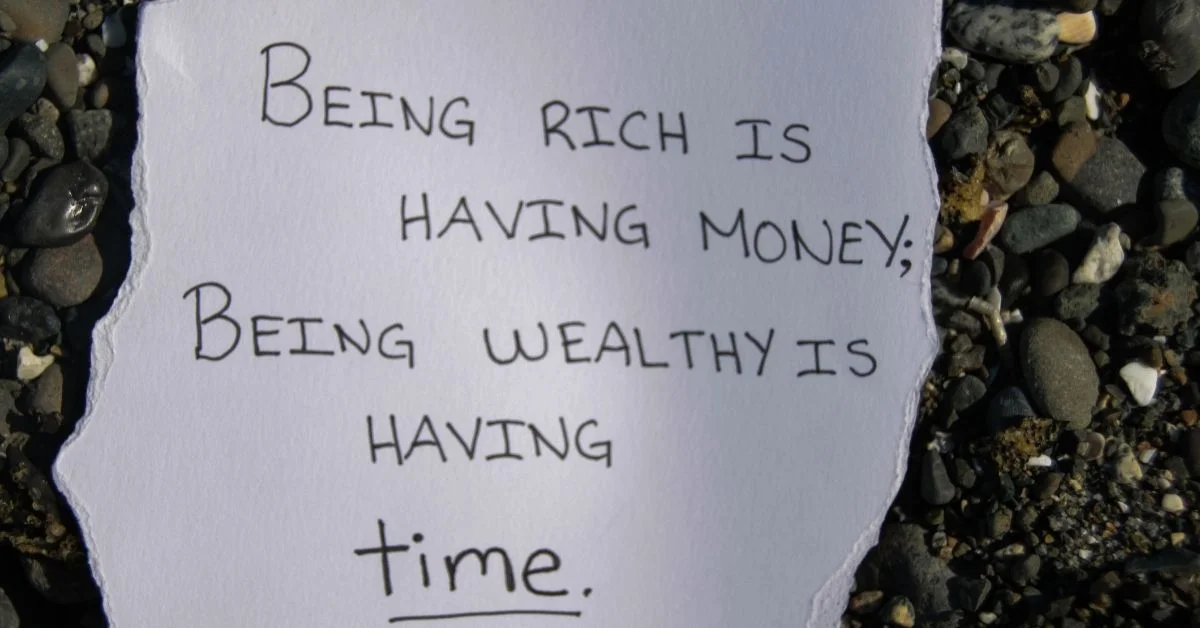
2. Time is more precious than money
Owning a jet changes how you perceive hours. When the choice between a six-hour flight or a private one-hour hop exists, the real cost isn’t the fuel or maintenance, it’s the hours you reclaim. Observing this, I realized that those who manage their wealth wisely rarely squander time. They invest it carefully, and in doing so, they accumulate an intangible richness that no balance sheet can capture. Money extends reach, yes, but its quiet lesson is always about the hours it buys you to do what matters most.
3. Risk and comfort live in tension
Flying privately is a controlled risk: pilots, schedules, and maintenance. It’s not reckless, but it isn’t perfectly safe either. I’ve watched owners weigh decisions that seem simple when to buy, when to sell, when to expand, yet beneath these choices lies a dance with uncertainty. Money, they’ve taught me, is best understood as a margin of safety rather than a guarantee. Comfort comes not from avoiding risk entirely but from managing it wisely and calmly.
4. The allure of scarcity
A jet is a scarce object in a world of abundance. Its ownership feels exclusive, but I’ve seen that those who value it most understand the difference between scarcity in possessions and scarcity in attention. They do not chase every new toy or trend. Instead, they cultivate select experiences, recognizing that wealth is wasted when spread too thin. Observing this reminded me that true value often comes from restraint and focus rather than accumulation.
5. Decisions echo quietly
Every choice when to refuel, which route to take, and which aircraft to acquire carries consequences that ripple. Seasoned owners treat decisions like investments in echoes: small, thoughtful moves that compound over time. There’s no drama, no frantic calculation. It’s an awareness that even minor misjudgments can reverberate, shaping future opportunities. Money, in this light, is less a scorecard and more a series of echoes that accumulate into patterns of stability or instability.
6. Visibility can be misleading
From afar, private jets seem synonymous with unbridled wealth. Up close, the picture is more nuanced. Some owners leverage them for convenience; others, for necessity. Some are frugal in ways that astonish the uninitiated. And appearances are rarely reliable indicators of financial wisdom. Wealth is less about spectacle and more about how well you navigate the invisible currents that accompany it, the taxes, maintenance, staffing, and unseen costs that can quietly erode even the grandest fortunes.
7. Ownership comes with humility
It’s ironic: in a world where the jet is a symbol of power, many owners speak with a humility shaped by responsibility. I’ve heard them describe moments of vulnerability: mechanical failures, delayed flights, misjudged investments. The lessons aren’t glamorous, but they are profound. Money, I’ve realized, cannot insulate you from friction or misfortune; it can only give you the tools to meet them without panic. That humbling clarity often seems invisible to the outside observer but defines their approach to wealth.
8. The quiet art of patience
Planes sit on tarmacs, pilots wait for clear skies, and contracts linger in review. I’ve watched as jet owners develop patience almost unconsciously. They resist impulsive spending because they’ve seen how rashness compounds not always immediately, but eventually. Wealth, I’ve found, thrives on deferred gratification, on measured timing, and on the discipline to wait for clarity rather than certainty. In a way, the sky teaches them patience: a reminder that you can’t rush altitude or distance without consequence.
9. Community matters more than capital
Interestingly, the connections forged around aviation, the technicians, pilots, a nd advisors often hold more weight than the aircraft itself. I’ve noticed that a jet owner’s network is meticulously curated, not for status, but for trust. Financial security, in their world, is inseparable from relational stability. It’s a lesson that can feel subtle but hits deep: resources alone are fragile; relationships, carefully nurtured, amplify resilience.
10. Reflection is a byproduct of wealth
Finally, perhaps the most understated lesson is this: time, resources, and perspective eventually invite reflection. I’ve seen owners who once moved like every hour was a transaction slow down, take stock, and simply sit with what they have. Money cannot buy this clarity, but it can create the conditions for it to emerge. In these quiet reflections, the distinction between survival and thriving becomes clear. And in noticing this, I’ve found myself reconsidering my own measures of success.
Key Takeaways
- True wealth is less about accumulation and more about what it enables quietly.
- Time reclaimed often outweighs money earned.
- Risk is inevitable; the art is in managing it calmly.
- Restraint often reveals more value than abundance.
- Small decisions echo louder than we expect.
- Appearances rarely reflect financial wisdom.
- Humility grows alongside responsibility.
- Patience compounds more reliably than impulse.
- Relationships amplify security in ways money alone cannot.
- Reflection often arrives as the richest, most overlooked return.
Conclusion
In conclusion, just say that watching private jet owners is like peering into an unusual mirror. It’s easy to envy the shine, the freedom, the speed. But what lingers in memory is something quieter: the discipline, patience, and subtle clarity that truly sustains wealth. As I’ve observed, wealth is never merely what you hold; it’s how you live, what you notice, and the quiet patterns you allow yourself to see.
As Warren Buffett once said, “The chains of habit are too light to be felt until they are too heavy to be broken.” Perhaps that is the secret these skies reveal: not the freedom to fly, but the freedom to observe, reflect, and let understanding settle over time.