10 Discipline Rules That Completely Change Financial Behavior


Most people who want more money are not lazy. They work hard. They think about it a lot. But still, the end of the month comes and the money is thin. Not because of bad luck. Not because the job pays less. But because of small habits that quietly pull the money out before you even see it go.
This is not a story about getting rich fast. Fast money stories are mostly lies. This is about slow, quiet changes in how you think and act with money. The kind of changes that feel small in the first week but feel very big after two years.
Financial behavior is not just about numbers. It is about how you feel when you spend. What you do when you feel bored. How you react when a friend buys something new. It is more emotional than math. And that is the part most people skip when they want to be better with money.
1. The Role Time Plays in Every Money Decision
Time is the one thing that most people treat like it is free. It is not free. Every hour has a cost. Every task that gets pushed back has a cost. And in money, how you use your time is often more real than how you use your cash.
People who do well with money tend to plan their week before it starts. Not in a rigid way. Not with every hour locked in. But they look ahead. They see what is coming. They know when the bills are due. They know when a big cost is near. They do not wait for the month to hit them with a shock.
There is a quiet kind of stress that comes from not planning. The mind holds all these small worries in the back. Did the rent go out? Is the card near its limit? When does that payment hit? This background noise takes up energy. And tired minds make bad money choices.
People who manage time well also notice where their energy goes. They guard the hours that make them the most money. They stop saying yes to things that eat time but give nothing back. Time, in the end, is the raw material of real wealth. You can earn more money. You can not earn more time.
Strategic time management in money does not mean mapping out every second of the day. It means treating time like it has real value. Because it does. When that shift happens, how you spend both time and money starts to change on its own. The two are far more linked than most people admit. A person who wastes hours tends to waste money too. And a person who guards their time starts to guard their cash with the same care, often without even thinking about it.
2. Waiting Is One of the Hardest and Most Useful Skills
There is a test that some researchers ran with kids decades ago. A child was given one small treat. They were told that if they could wait just a few minutes without eating it, they would get two. Most kids ate the first one fast. A few waited. The ones who waited went on to do better in school, in work, and in their own finances later in life.
Delayed gratification is not a new idea. But it is one that feels harder every year. The world now gives almost everything fast. Food comes to the door in half an hour. New clothes arrive the next day. The screen refreshes in real time. Every part of life is built to remove the wait.
And so the muscle that handles waiting gets weak. Because it never gets used.
In money, this weakness shows up in small ways at first. A small buy here. A little treat there. Nothing too big. But these small gives add up over time. They chip at savings. They stop the build. They keep the account in the same place month after month. The account that was meant to grow stays flat. And the person who owns it wonders why.
The shift comes when you start to feel the gap between what you want now and what you want most. These are two very different things. What you want now is fast and easy to name. A new phone. A night out. Something that feels good in the moment. What you want most is harder to see. It is freedom. Peace. Options. Safety. These things live in the future and they are built in the present.
One small way to train this skill is to wait one day before buying anything that is not a clear need. Just one day. Most of the time, the urge fades. The thing you wanted so badly in the shop feels much less urgent the next morning. That gap, that one small pause, is where real discipline lives. And it is available to any person at any income level.
3. Invest Even a Little Bit Every Month
Most people think investing is for people who have extra money. People with big salaries. People who have already paid every bill and still have a pile left. But this idea keeps a lot of good people out of the habit for too long.
The truth is that consistent investing habits start small. Very small. The amount is almost not the point at first. The habit is the point. Because the habit trains the mind to see a part of income as not for spending. And that mental shift is what builds real wealth over time.
Think of it this way. A person who puts a small fixed amount away every single month, without thinking, without checking the market, without waiting for the right time, will almost always do better than a person who waits until they have a big amount to invest. The waiting person never quite gets there. There is always a reason to wait one more month.
The consistent investor is not smarter. They are just more steady about one habit. They set it. They forget it. They let time do the work.
And time does work. Slow, quiet, invisible work. But it works. The money grows. Not fast. Not exciting. But it grows. And after many years, the pile looks very different from where it started. The gap between someone who put something away each month for ten years and someone who meant to but kept waiting is not a small gap. It is a life-changing one.
The other thing that happens with this habit is a shift in how you relate to money. You stop feeling like money is something that passes through your hands. You start to feel like money is something you can hold onto, direct, and build. That feeling alone is worth more than most people realise.
4. Learning New Things Is Not a Hobby. It Is Part of the Work.
The world of money changes. What worked ten years ago does not always work now. New tools show up. New ways to earn. New risks too. The person who stops learning stops being sharp. And in money, being out of date has a real cost.
Continuous learning and skill development does not mean reading every book or taking every course. It means staying curious. Asking one new question each week. Reading one new piece of content each month. Listening to someone who thinks in a way that is different from your usual way.
Most people stop learning about money after they get their first job. They assume what they know is enough. And for a while it is. But the world keeps moving. And the gap between what they know and what they need to know grows quietly in the background.
Skills that earn money also need to grow. A person who earns more does so because they bring more value. Simple. So building a skill, practising it, and getting better at it is a direct money move. Not always visible in the short term. Very visible after a few years.
The good news is that learning has never been cheaper or easier. Most of the best ideas are free or very close to it. The limit is not access. The limit is habit. Making learning a regular, quiet part of the week changes things in ways that are hard to see at first but impossible to miss later.
5. The People Around You Shape Your Money Life More Than You Think
There is a quiet truth that makes some people uncomfortable. The five or six people you spend the most time with will, over time, shape how you think about money. Not because they teach you directly. Not because they give advice. But because what feels normal gets set by what the people around you do and say and buy.
If everyone in your close group spends freely, saving starts to feel strange. If everyone buys something new to mark every life event, spending starts to feel like love. If no one in your group ever talks about wealth or growth, it never becomes a real idea in your own mind.
Strategic network building sounds cold when you put it that way. Like you are using people. But it is really just being honest about the fact that environment shapes thinking. You do not have to walk away from old friends. But finding one or two people who think carefully about money, who talk about it in a calm and honest way, changes things slowly and quietly.
Mentors are part of this too. People who have been where you want to go. Not people who brag. Not people who show off what they have. People who got somewhere real and can say, even briefly, how the road looked. Those kinds of conversations carry more weight than most people give them. Often more than any book or course ever could.
The goal is not to build a circle of wealthy people. The goal is to find people who have a healthy, honest relationship with money. That is rarer than it sounds. And more valuable.
6. Taking Risk the Smart Way
A lot of people hear the word risk and they stop. Risk sounds like danger. Like loss. Like something to step around. But the quiet truth is that avoiding risk is also a choice with a cost. Keeping all your money in one place, doing the same thing year after year, never trying anything new, is also a risk. The risk of slow loss. The risk of standing still while the world moves past you.
Embracing calculated risks means something very specific. It means looking at what could go wrong before you step in. It means only putting at stake what you can truly afford to lose. It means not being driven by excitement or fear. It means thinking before doing, and doing with open eyes.
There is a real line between reckless risk and a considered one. In a considered risk, you study the odds. You look at what has happened before. You talk to people who know more than you. You still might be wrong. But you are not walking in blind.
Most people who took a big step in their financial life, whether that was a new skill, a small side project, or a different path, will say the fear before was always worse than the thing itself. Not always. Sometimes it goes wrong. But more often, the act of doing it teaches more than any safe, steady choice could have.
The key is not waiting until the fear is gone. Fear does not go away. The difference between people who grow and people who stay flat is not the absence of fear. It is what they decide to do with it.
7. Health Is a Financial Decision and Most People Miss This
This point does not get said enough. Physical and mental health are not separate from financial life. They are deeply linked in ways that only become clear after you have seen what happens when one falls apart.
A tired person makes bad choices. A stressed person tends to overspend. A person in pain can not work well. A person who has not slept does not plan with a clear head. These are not soft ideas. They have hard financial consequences.
The cost of neglecting health shows up in money sooner or later. Doctor visits. Time away from work. Low energy that makes every task take longer. Poor decisions made in a foggy state. All of these are financial outcomes that come from treating the body as if it lives separately from the budget.
The flip side is just as true. People who sleep enough, move enough, eat with some care, and take their mental state as a serious thing to manage tend to think better. They plan better. They have more patience. And patience, as already said, is one of the most valuable tools a person can build when it comes to money.
This is not about being perfect. Not about every green smoothie and every early run. It is about noticing the link. When the body is run down, the wallet follows. When the mind is clear and rested, money decisions tend to follow that too.
One honest truth: the best investment many people can make right now is not in a stock or a new tool. It is in their own health. It pays back across every area of life. Including, quietly and steadily, in money.
8. Spending Discipline Is Not About Living Small
A lot of people hear the phrase “spending discipline” and picture something sad. A small, bare flat. No fun. No meals out. Saying no to everything that costs anything. But that is not what it means. At all.
Spending discipline is knowing where your money actually goes and making sure it goes where you truly want it to. That is all it is. Not denial. Direction.
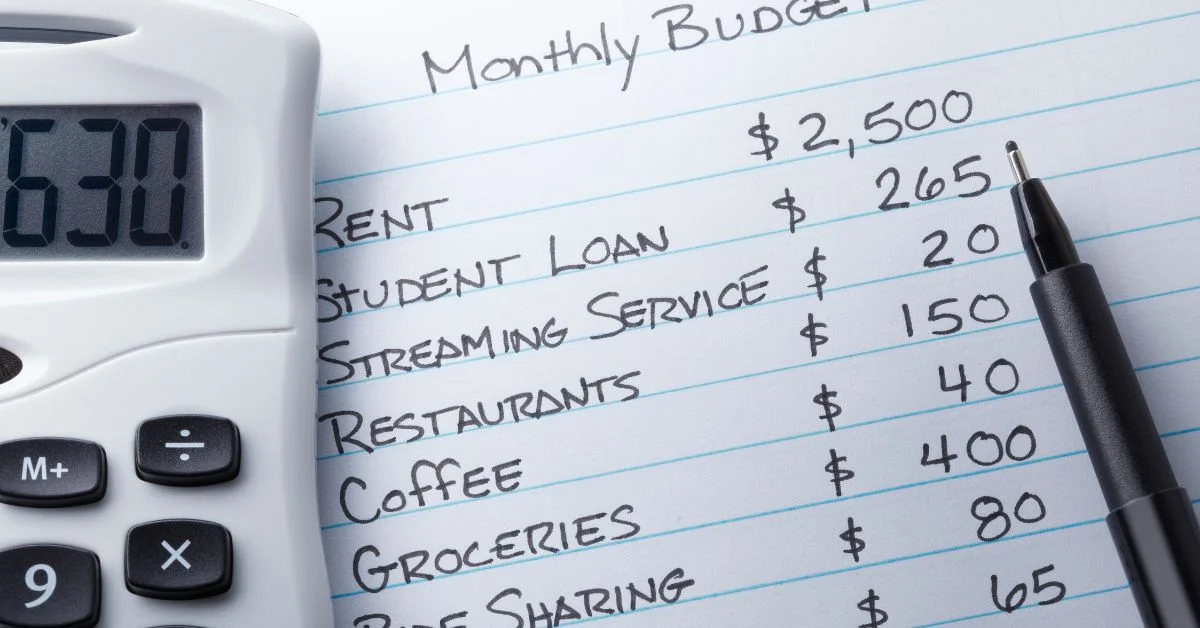
Most people who look honestly at their spending find a few places where money goes out without real thought or real joy. Old subscriptions they forgot about. Habits that cost more than they are worth. Small impulse buys that added up to a number that surprises them at the end of the month. These are not big mistakes. They are just invisible ones.
Making spending visible is the first move. Looking at where the money actually went last month. Not to feel bad. Not to punish. Just to see clearly. And then deciding, with intention, which of those things you would choose again if you had to choose on purpose.
The second move is protecting the spending that matters. The things that truly add to life. The meal with someone you love. The trip that changed how you see things. The book that opened a door. These are worth every cent. The goal is not to cut joy. It is to cut the spending that feels like joy but is really just habit or boredom or something to fill a quiet hour.
People with strong spending discipline rarely feel deprived. They tend to feel more free. Because they know exactly where their money is and why it is there. That clarity is not a small thing.
9. What Happens Without a Clear Financial Goal
It is very hard to get somewhere if you do not know where you are going. This sounds simple. Almost too simple to say out loud. But in money, a huge number of people are walking without any clear map. They know they want to do better. But better is not a destination.
Clear financial goals change this. They give the money somewhere to go. They make the daily choices easier because there is a real reason behind them. And they make trade-offs feel worth it rather than like punishment.
A goal does not have to be big. In fact, the smaller and more specific the goal, the better it works. Not save more money. But put this exact amount away by this exact month for this exact reason. Not be more careful. But limit this kind of spending to this number of times per week until this date. The detail is what makes it real.
When a goal is specific, progress is visible. And visible progress is one of the most powerful things in changing any behavior. It is why crossing something off a list feels good. It is why tracking works even when the numbers are still small. The mind needs to see movement to stay in the game.
The other thing that clear goals do is make small decisions easier. When something comes up, a spontaneous buy, a tempting sale, a new thing you did not plan for, a clear goal acts like a quiet steady voice asking whether this helps or hurts where you are trying to go. Most of the time that is all the nudge you need to pause, think, and decide well.
10. One Stream of Income Is a Fragile Thing
Almost everyone who has ever lost a job has had the same quiet thought in the weeks after: what if there was something else coming in? That thought, in the middle of a hard stretch, is the right one. But the time to act on it is not during a crisis. It is before.
Developing multiple income streams is not about being greedy or filling every hour with work. It is about not placing all of life’s financial weight on one single thing. Because that one thing can change. Jobs change. Companies cut. Industries shift. Relying on a single source of income is a form of risk that most people carry every day without calling it a risk.
A second stream does not have to be big. A small skill offered to a small number of people. A simple service. A piece of work done on the side. None of these need to replace the main income right away. They just need to exist. To add a layer. To be there when the main thing wobbles.
What most people find when they build a second stream is that it changes how they see the first one. The main job starts to feel less like a trap and more like a choice. That shift in how you relate to your income is valuable on its own, even before the extra money counts for much.
The bigger picture here is about building a life that does not rest entirely on one moment, one employer, one decision made by someone else. That is not fear. That is just quiet, steady, sensible planning.
Key Takeaways
- Discipline in money is mostly about how you behave, not what you know.
- Time and health are real financial assets, not just life concerns that live outside the budget.
- Waiting before spending is a skill, and like all skills, it builds with practice.
- Clear goals do not just help you save; they make the small daily choices easier.
- Who you spend time with shapes what feels normal when it comes to money.
- One source of income is a risk most people carry without ever naming it as one.
A Last Quiet Thought
Changing how you handle money is not a single event. It is a slow shift in dozens of small habits over a long stretch of time. Most of it is invisible while it is happening. And then one day you look back and the distance between where you were and where you are is very real and very large.
Ralph Waldo Emerson once wrote that wealth is the ability to fully experience life. That line lands differently once you have started to build something real. Because wealth, in that sense, is not just what is in the account. It is the peace of having choices. The calm of knowing a hard month will not break everything. The freedom to say yes to what matters and no to what does not.
That kind of wealth is built one small rule at a time.