10 Assets to Build Before You Even Think of Living Like the Wealthy

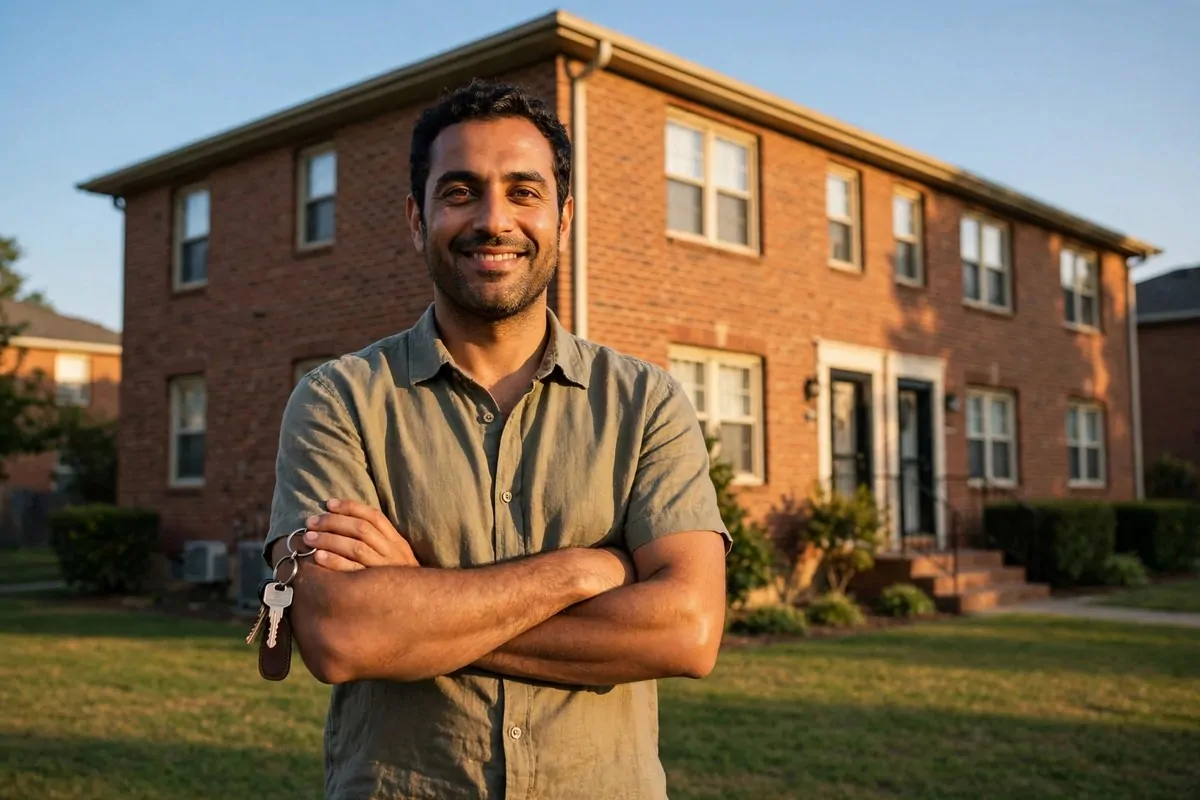
Well, let me tell you about two men who lived on my street. Tariq got a big promotion and changed his whole life in one month. He bought a brand new car, moved to a nicer area, and started eating out almost every night. I watched it happen and remember thinking he had really made it.
Three years later his pay was twice as big, but his savings were still close to zero. Then his company cut staff and he lost his job in a single week. He had to sell the car for less than it was worth and move to a smaller flat. The wealthy life he built fell apart in about sixty days.
Now here is the part that stuck with me. Across the street lived Yusuf, who earned less money for most of those years, and he did not upgrade a single thing when his pay went up. He built savings, learned a skill people paid well for, and bought his small flat outright. When the same job cuts reached him, he was calm.
Yusuf had six months of living costs saved and a side skill that brought in money every month. He took his time and found a better job on his own terms. Tariq took the first job he could find because his bills were eating him alive. Same street, same job cuts, two very different endings.
Research tells the same story on a big scale. A survey by the Federal Reserve found that about four in ten adults would struggle to cover a $400 surprise bill. Studies of self-made wealthy families show that most of them built savings and extra income years before they raised their spending. The order of steps turns out to matter more than the size of the salary.
The short answer: build ten assets first, then upgrade your lifestyle. An emergency fund of six months of spending, a skill that pays, a second income, growing investments, a paid-for car, affordable housing, good health, a strong network, a solid reputation, and real control of your time. People who build these first almost never go broke later, even when life hits hard.
Key Takeaways
- Order beats income: build assets first and upgrade your lifestyle second.
- Save six months of real spending before any big lifestyle upgrade.
- One strong skill that people pay for is worth more than a raise.
- A second income, even a small one, changes how brave you can be at work.
- Own your car outright and keep housing costs under about 30 percent of take-home pay.
- Health, network, and reputation are assets too, and they compound like money.
- Do not upgrade your lifestyle until each asset hits its “ready” number.
- The wealthy life feels best when it cannot be taken away in sixty days.
1. A Full Emergency Fund, Sized to Your Real Life
This is the first asset because it protects everything else. An emergency fund is simply money set aside for bad surprises. Job loss, a broken car, a hospital visit, a roof that starts leaking. Without this fund, every surprise becomes a crisis.
Most advice says save three months of spending. I think six months is the real number for most people. Three months sounds fine until you try finding a good job in ninety days. In a slow market, job hunts often take four to six months, and six months of cover lets you choose instead of beg.
Add up your real monthly spending to find your number. Rent, food, transport, bills, school fees, everything. Say it comes to $2,500 a month. Then your target is $15,000, sitting in a separate account you do not touch.
Do not aim for the full number on day one. Start with $1,000, then build to one month, then three, then six. People who save in small steps are far more likely to finish. A study on savings habits found that automatic transfers beat willpower almost every time.
Build it with a simple routine you can follow for years. Here is one that works for most people:
- Open a separate savings account, away from your daily money.
- Move a fixed amount there on every payday, even if it is small.
- Build to $1,000 first, then one month of spending, then three, then six.
- Touch it only for true surprises, never for sales or trips.
A friend of mine, Sara, built hers while earning a modest salary. She moved $200 a month into a separate account on payday. In a little over six years she hit her full target, and when her office closed, she did not panic.
She used four calm months to train for a better role. No rushed decisions, no fear driving her choices. That is what the fund buys you: time to think.
The “you are ready” number for this asset is simple. Six months of your real spending, saved and separate. Until you hit it, skip every lifestyle upgrade on this list. This fund is the floor everything else stands on.
Keep this money safe and easy to reach. A plain savings account works well. It will not grow much, and that is fine. Its job is to be there, not to get rich.
2. One Skill That Pays You Well
A degree can fade in value, but a strong skill keeps paying. A skill is an asset when people will pay you for it again and again. Writing, selling, coding, fixing, designing, teaching. Pick one and get seriously good.
Notice this comes before side income. You cannot sell what you have not built. Spend six to twelve months learning in public and doing small paid jobs. Your first clients will be people who know you, and your tenth client will be a stranger who found your work.
I met a young man named Bilal who drove a delivery van by day. At night he learned to design simple logos and menus for small shops. After a year, his design work paid more than his driving job, so he kept both incomes for a while, then chose the skill.
The math of a skill is powerful. If your skill earns you $40 an hour and you sell ten hours a week, that is $1,600 a month. That is more than many full-time raises. And unlike a raise, nobody can take a skill away from you.
Choose a skill with real demand. Look at what small businesses near you pay for every month. Marketing help, simple websites, bookkeeping, repair work, clear writing. Demand is the difference between a hobby and an asset.
The “you are ready” sign is clear. Strangers pay you, and some of them come back. When three different people have paid you without knowing you first, the skill is real. Now it can become income.
Keep sharpening it even after it pays. The people who earn the most from a skill are rarely the most talented. They are the ones who kept learning while others stopped, and ten hours of practice a month keeps you ahead of most.
3. A Second Source of Income
One income is a risk, even a good one. A second income is an asset that changes your whole position. It does not need to be big at first. It needs to be real and steady.
Your skill from the last section is the natural seed. Freelance work, a small service, products you make, teaching what you know. Start with what costs almost nothing to try. Time is your main investment here.
Here is why this matters more than the money. When one income covers your bills and the second one saves, you can say no. You can turn down a bad job, a bad client, or a bad deal. That freedom is worth more than the cash itself.
Say your job pays $3,000 a month and your side work brings $500. That $500 goes straight to savings or investments. In a year that is $6,000, and in five years of steady growth it can pass $35,000. Small streams really do fill big tanks.
Build it slowly and honestly. Ten hours a week is plenty at the start. Track what each hour earns you and drop what pays poorly. Most people find one or two things that work and let the rest go.
Here are simple ideas that real people use to start. Pick one that fits your week:
- Freelance work using your skill, for local shops or online clients.
- Teaching what you know, in person or through simple videos.
- Repair or maintenance services in your neighborhood.
- Small products you make or resell with a fair margin.
- Weekend services like cleaning, gardening, or moving help.
The “you are ready” number is simple. Your second income covers one full month of your core bills, and it has done so for six straight months. Groceries, transport, utilities. When it does that, you own real security.
Do not quit your job to chase it early. The job funds the building phase. Many wealthy people ran a side income for years before it became the main one, and patience here is part of the asset.
4. An Investment Account That Grows Quietly
Saving protects you, but investing grows you. An investment account is money you put to work for years. Shares in strong companies, simple funds, or a small share in a real business. Time does the heavy lifting.
The earlier you start, the less you need to add. This is the quiet power of growth building on growth. Money you invest in your twenties works twice as hard as money you invest in your forties. Every year you wait costs you.
Look at what a modest monthly habit can do. This simple example assumes a steady yearly growth of about 7 percent:
| Years of steady investing | $200 a month becomes about |
|---|---|
| 10 years | $34,000 |
| 20 years | $100,000 |
| 30 years | $230,000 |
You do not need to be an expert to begin. A simple low-cost fund that holds many companies is enough for most people. Add money every month and leave it alone. Checking it daily only adds stress.
A well-known story from Fidelity says the best-performing accounts often belonged to people who forgot they had them. The lesson is funny but true. Patience beats cleverness in investing.
The “you are ready” sign is a habit, not a number. You invest every single month without fail, and you have done it for at least two years. The amount can grow over time. The habit is the asset.
Never invest money you need soon. This account is for goals five or more years away. Your emergency fund handles the surprises, and this account handles the future.
5. A Car You Own Outright
A car is a tool, not a trophy. The asset is a car you own outright, with no monthly claim on your pay. It gets you to work and back, reliably and cheaply. That is its whole job.
New cars lose value fast. A new car can lose a fifth of its worth in the first year. A three-year-old car often does the same job for half the price. The wealthy-looking choice is usually the worst money choice.
Run the numbers on the monthly gap. Spending $500 a month on a nicer car is $6,000 a year. Over ten years that is $60,000, before fuel and upkeep. A paid-for used car might cost you $8,000 once and $150 a month to run, and the gap between those paths can fund your whole investment account.
An uncle of mine drove the same simple car for eleven years. People teased him at family events. He smiled, because his investment account was growing by more than the car cost each year, and he bought his next car with cash and never felt it.
If your car costs you a big slice of your budget every month, set a clear plan to cut that cost. Move to something cheaper if you must, then keep the next car for years. The cheapest car is the one that asks little of you each month.
The “you are ready” test is strict. You can buy the car with cash without touching your emergency fund. If the purchase would hurt your savings, you are not ready for that car. Buy cheaper and keep building.
Once you own it outright, keep driving it. Every year without a car payment is a raise you gave yourself. Put that old payment amount into investments and watch what happens.
6. A Roof Without Strain
Housing is your biggest bill, so it deserves the strictest rule. The asset is a home you can afford even in a bad month. Rent or own, the test is the same. It must not eat your future.
A common guideline says keep housing near 25 to 30 percent of your take-home pay. At $4,000 a month take-home, that means $1,000 to $1,200 for housing. Above that, every extra dollar comes from your savings and your freedom.
Bigger is not always better. A smaller place in a good area often beats a big place that strains you. Commute time matters too. An hour saved each day is 250 hours a year, and that is time you can use to build skills and income.
If you buy, buy well below what you are offered. Sellers and agents want you to stretch. Your job is to stay comfortable. A home you own outright one day is a true asset, and a home that owns you is a burden.
Yusuf from my intro bought a small flat and paid it off over the years. His housing cost dropped to almost nothing. That single move freed more monthly cash than any raise he ever got. Small and paid-for beats big and strained.
The “you are ready” number is clear. Housing costs stay under 30 percent of take-home pay, and you still save at least 20 percent. If both are true, your roof is an asset. If not, it is a warning.
Review this once a year. Pay rises should go to savings first, not to bigger housing. Lifestyle upgrades feel good for a month. A light housing bill feels good for decades.
7. Your Health, Locked In
Health is the asset nobody lists and everybody needs. Without it, every other asset is hard to enjoy or even keep. Health shocks are one of the top reasons families fall behind. Prevention is far cheaper than cure.
The numbers are sobering. In the United States, a single hospital stay can cost more than $10,000. Studies link sudden health problems to a large share of personal financial crises. A body you maintain is a bill you never get.
You do not need a fancy gym or a strict diet. Walk daily, sleep enough, eat mostly simple food, and get checkups. These four habits cost little and protect much. Small and steady beats intense and short.
Stress counts as a health cost too. Long commutes, no rest, constant money worry, they wear the body down. Building the earlier assets actually lowers your stress. Calm is a health strategy.
A colleague of mine ignored his health through his thirties. At forty, a health scare forced him to stop working for four months. His savings covered it, but only just. He says the scare taught him what no book could.
The “you are ready” sign is a routine. You move most days, sleep seven to eight hours, and see a doctor once a year. It sounds simple because it is. Simple done daily is the whole secret.
Treat health spending as an investment, not a cost. Good food, decent shoes for walking, a yearly checkup. These small bills prevent the giant ones, and your future self is counting on today’s choices.
8. A Network of People Who Open Doors
Who you know is an asset you build like savings. A strong network brings job offers, clients, partners, and honest advice. Many doors open through people, not applications.
The numbers back this up. Studies on hiring find that a large share of jobs, often around half or more, are filled through personal connections. The best roles rarely reach public listings. They travel by word of mouth.
Build it by giving first. Help people with no demand for return. Share what you know, make introductions, show up. Generosity is remembered far longer than cleverness.
Keep it simple and real. Five to ten strong relationships beat five hundred shallow contacts. Meet for coffee, remember details, follow up. Depth is the asset, not the count.
Your reputation from the next section feeds this one. When people trust you, they recommend you. When they recommend you, your network grows on its own. The assets on this list connect to each other.
The “you are ready” sign is warm introductions. When people introduce you to others without being asked, your network is working. Aim for a circle where opportunities find you at least twice a year.
Start where you are. Your town, your field, your online community. You do not need famous contacts. You need real ones who pick up the phone.
9. A Reputation That Works While You Sleep
Reputation is trust that travels without you. It is what people say about your work when you leave the room. Good work, kept promises, honest dealing. It compounds quietly for years.
This asset pays in ways money cannot buy directly. Better clients seek you out, partners offer fair terms, and employers fight to keep you. Trust lowers the cost of every deal you will ever make.
Build it one kept promise at a time. Deliver early, admit mistakes fast, and never cut corners on quality. One broken promise can undo a year of good work. Guard it like cash.
Write and share what you know. Clear writing about your field builds a public record of skill. People check before they hire. A simple online presence, honest and helpful, works while you sleep.
Avoid shortcuts that stain it. A quick win that bends the rules costs more than it pays. Markets are small and memories are long. The honest path is also the profitable path.
The “you are ready” sign is inbound trust. Clients come to you, referrals arrive unasked, and your name opens rooms. When your reputation starts bringing work to your door, it has become an asset.
Review yourself yearly. Ask two people you trust for honest feedback. Fix what they name. Reputation is maintained, not just built, and small repairs keep it strong.
10. Real Control Over Your Time
This is the final asset because it is the point of all the rest. Time freedom means your days belong to you. Work you choose, hours you set, no panic when plans change. Money is only useful if it buys this.
Notice the order matters, because time freedom without the earlier assets is just unemployment. With them, it is independence. Savings cover the gaps, skills bring income, and reputation brings offers. Then time becomes yours.
Measure it simply by asking how many months you could live well without working. Three months is a cushion. Twelve months is real freedom. Twenty-four months means you can rebuild your whole life if you want to.
You do not need to retire to enjoy it. Use time freedom in small doses first. A month between jobs, a slow summer with family, a project you love. Taste it before you chase all of it.
Guard it once you have it, because freedom leaks through small yeses. Every commitment you accept spends it. Say no kindly and often, since your calendar is your wealth in another form.
The “you are ready” number is twelve months of spending saved and invested, plus income that does not need your daily labor. When your money and skills cover a full year, you hold real control.
Then, and only then, upgrade your lifestyle with a clear mind. A nicer car or home bought from strength feels completely different. It is a reward, not a trap. That is what living like the wealthy should mean.
Keep this checklist where you can see it. Ten assets, ten ready numbers, one clear order:
| Asset | The “you are ready” number |
|---|---|
| Emergency fund | 6 months of real spending, saved separate |
| Income skill | Strangers pay you, and some come back |
| Second income | Covers one month of core bills for 6 months |
| Investments | You invest every month for 2+ years |
| Car | You can buy it without touching savings |
| Housing | Under 30% of take-home, still saving 20% |
| Health | Daily movement, good sleep, yearly checkup |
| Network | Warm introductions come to you |
| Reputation | Work finds you through referrals |
| Time | 12 months of spending covered |
Conclusion
Tariq and Yusuf started on the same street with the same chances. The difference was never talent or luck. It was the order of their steps. One bought the lifestyle first, and the other built the assets first.
You do not need to finish all ten this year. Start with the emergency fund and the skill, then add one asset at a time. Each one makes the next easier. In five years you will barely recognize your position.
Write down your “ready” numbers today and check them once a quarter. What gets measured gets built. When all ten lights turn green, upgrade your life boldly. You will have earned every bit of it.
Wealth that is built in the right order does not break when life shakes it. Build first, enjoy later, and the enjoying lasts. That is the whole game, played the smart way.