What Is My IQ Quiz for 10 to 15 Year Olds: Fun Brain Puzzles for Kids That Test Maths, Words and Logic!

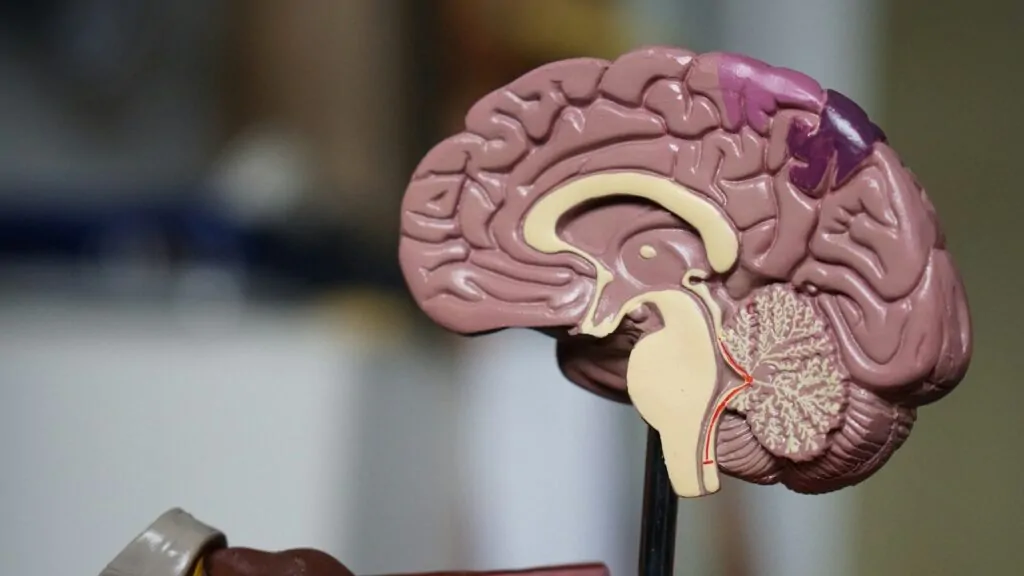
Do you love brain puzzles? I love them, and you are in the right place. This quiz is made for kids aged 10 to 15, and it tests your maths, your words, and your logic in a fun way.
You will face ten quick questions. Some are sums, some are word puzzles, and some are patterns. Take your time, think it through, and pick the answer that feels right. There is no rush, and it is all just for fun.
Did you know that the brain has about 86 billion tiny cells called neurons? That is a huge number. Your brain is always learning and growing, and puzzles are a great way to help it grow strong.
What Is the What Is My IQ Quiz for 10 to 15 Year Olds?
This quiz is a fun brain test for kids aged 10 to 15. IQ means how well you can think, solve, and learn. This quiz asks you about maths, words, shapes, and patterns.
Each question has four choices. The right answer earns the most points, and the other choices earn fewer points. At the end, you get a score and a kind result that tells you how your brain did today.
How to Play This What Is My IQ Quiz for 10 to 15 Year Olds
Playing is easy. Read each question, think it through, and pick one of the four choices. There are ten questions in all, so it will not take long.
Try to work it out in your head before you pick. If a question feels hard, take a deep breath and try again. You can also use paper to work out the sums. When you finish, read your result and see how you did.
What Each Score Means
| Your Score | What It Means |
|---|---|
| 10 to 17 | Keep Growing, your brain is learning fast |
| 18 to 25 | Growing Thinker, you think well and keep going |
| 26 to 33 | Sharp Young Thinker, you spot patterns with ease |
| 34 to 40 | Bright Young Mind, you think fast and clear |
Fun Facts And Stats About the Brain
Here is a fun fact: your brain uses about 20 percent of the energy in your body, even though it is only about 2 percent of your weight. That is a lot of power for such a small part of you.
Another fact is that your brain can make new links each time you learn a new thing. Puzzles, reading, and play all help those links grow. Kids who do puzzles often get good at spotting patterns, and that skill helps in maths and in life.
Why Puzzles Are Good for Kids
Puzzles help you think in a clear way. A maths sum teaches you to work step by step. A word puzzle teaches you to think about what words mean. A pattern teaches you to look ahead and guess what comes next.
Puzzles are also fun. They feel like a game, but they teach your brain to focus and to keep trying. Each time you solve one, you feel proud, and that pride helps you try the next one too.
How to Get Sharp at Brain Puzzles
The best way to get sharp is to play a little each day. Try a sum, a word game, or a pattern, and take your time. Do not rush, and do not fear a wrong answer. A wrong answer is just a step to the right one.
You can also ask a teacher or a parent to play with you. Talk through the puzzle out loud, and you may spot the answer with ease. Learning with pals is fun, and it helps you grow fast.
Brain Game Tips for Teachers, Kids and Quiz Lovers Who Love Puzzles for Ages 10 to 15
Teachers, try this quiz as a class game and talk about how to work out each sum step by step. Kids, you can keep a puzzle book and try one new puzzle each day. Quiz lovers, share your score and see how your pals did too.
Keep it fun and kind. A quiz is not a test to fear, it is a game to enjoy and learn from.
Conclusion
So, how did your brain do? I hope this quiz gave you a fun challenge and a result to be proud of. Whether you are still growing or already a bright young mind, your brain is a fine tool. Keep playing, keep learning, and take this quiz again in a few weeks to see how you grow.
Frequently Asked Questions
What does IQ mean?
IQ means how well you can think, solve, and learn. This quiz tests your maths, words, and logic in a fun way, and it gives you a score at the end.
Is this quiz for kids aged 10 to 15?
Yes, this quiz is made for kids aged 10 to 15. The questions use simple maths, easy words, and clear patterns that fit that age group.
What if I get a low score?
That is fine, and it does not mean you are not smart. A low score just means your brain is still growing. Keep playing puzzles and try again in a few weeks.
How can I get a high score?
Read each question with care, work out the sums step by step, and look for the pattern. Take your time and do not rush your pick.
Can I take this quiz with my pals?
Yes, it is fun to take it as a group. Each person can answer on their own and then share their score at the end.