The Most Important Investment You Can Ever Make Is Yourself, and How to Grow It Every Day

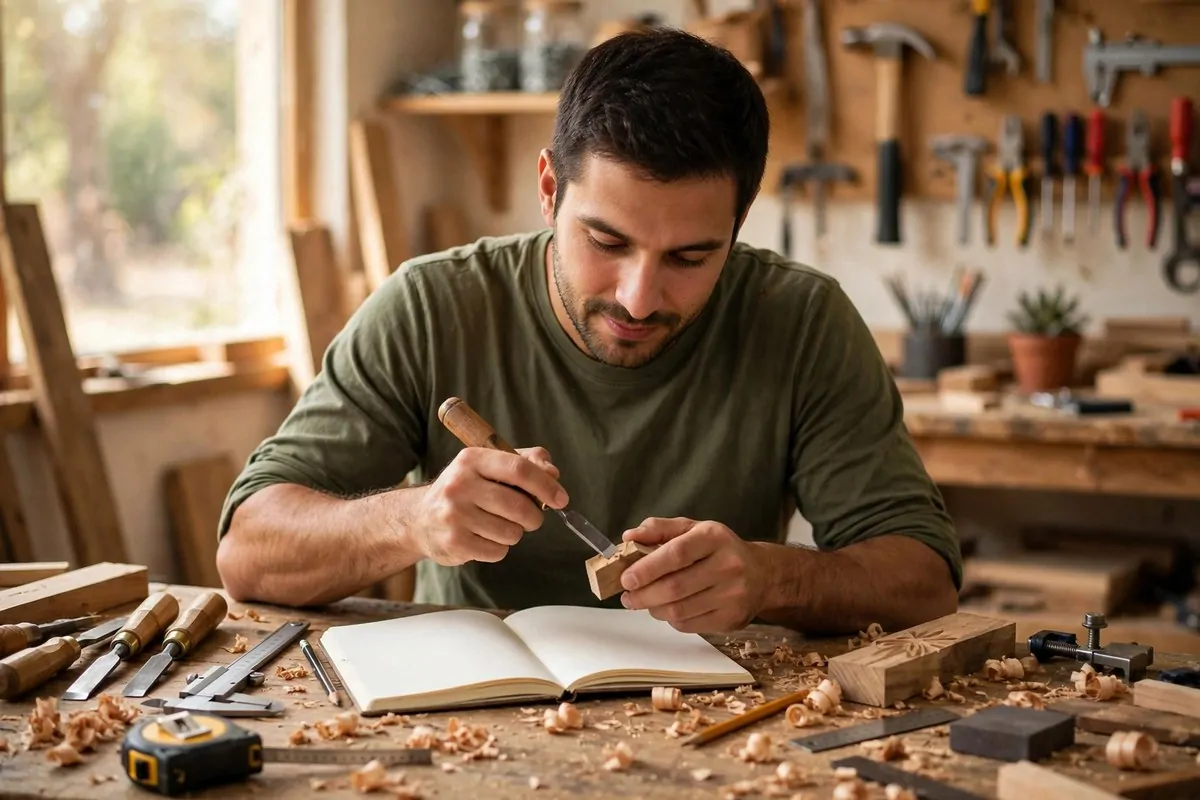
A young man in my old street earned a small wage, and he spent every spare coin on bright things that faded in a year. His neighbour earned the same wage, and he spent his spare coins on night classes and good books. Ten years later the first man still waited for a lucky break, and the second man owned a trade that paid him well for the rest of his life.
Warren Buffett is one of the richest men in the world, and he has said many times that the best thing you can put your money into is yourself. He did not mean a fancy car or a grand house, and he meant the skills, health, and learning that stay with you for life. No one can take those things from you, and no market fall can wipe them away.
I once watched a friend spend a whole year chasing quick wins, and the year ended with less money and more worry than it began. The next year he took one slow course in fixing machines, and the course gave him more than the chase ever did. His story taught me that a person is the safest place to put time and money.
The Georgetown University Center on Education and the Workforce found that a worker with a bachelor degree earns about 2,800,000 dollars over a working life, while a worker with only a high school diploma earns about 1,600,000 dollars. The gap is about 1,200,000 dollars, and that gap comes from learning, not from luck. The most important investment you can ever make is the one that closes that gap, and this article will show you how it works.
Read the five parts slowly, and mark the ones that already fit your own life today. Each part is a fact you can act on this week, not a dream you must wait for. The most important investment you can ever make is yourself, and the five parts below will show you how to grow it one small step at a time.
The short answer: the most important investment you can ever make is yourself, because skills, health, knowledge, habits, and good people grow in value for your whole life. No market fall can take them from you, and no one can steal what you have learned. Start with one small part this week, keep it steady for a year, and watch your life change in quiet ways.
Key Takeaways
- Your skills are the first part of the investment, and they pay you for life.
- Your health is the base that holds every other gain.
- Books and learning feed your mind a little each day.
- Small habits kept for a year can change your whole life.
- Good people lift you, and the right circle makes growth easier.
1. Build Skills That Pay You for the Rest of Your Life
A skill is a tool that lives inside you, and it earns money every time you use it. A man who can fix machines, write clear words, or cook a fine meal can earn in any town and in any year. The most important investment you can ever make starts with a skill, because a skill pays you long after the course is done.
The pay gap between skilled and unskilled work is wide, and real numbers prove it. The Georgetown University Center on Education and the Workforce found that a worker with a bachelor degree earns about 2,800,000 dollars over a working life, while a worker with only a high school diploma earns about 1,600,000 dollars. The gap of about 1,200,000 dollars is the price of learning, and it is a price that pays itself back many times over.
Learning a skill does not need a grand school or a large sum. A night class, a free online lesson, or an hour with a skilled elder can teach a real trade in a few months. The table below shows how lifetime pay grows with each level of learning, and the growth is plain to see.
| Level of learning | Pay over a working life |
|---|---|
| High school diploma | 1,600,000 dollars |
| Associate degree | 2,000,000 dollars |
| Bachelor degree | 2,800,000 dollars |
| Master degree | 3,200,000 dollars |
Pick one skill that people near you already pay for, and learn it well. A plumber, a tailor, a driver with a clean record, and a cook with a kind manner all earn from a skill that never goes out of date. Ask the skilled workers in your town what they earn and how they learned, and their answers will guide your choice.
Give the skill one hour each day, and keep the hour even when the day is hard. An hour a day is 365 hours in a year, and 365 hours can hold a whole new trade. A study by University College London found that a new habit takes about 66 days to feel natural, so the first two months are the hardest part of the road.
A LinkedIn study found that 94 percent of workers said they would stay longer at a company that helped them learn new skills. That number shows that employers value learning workers, and they pay more to keep them. Your skill is not only a way to earn, and it is a way to be wanted.
Write down the one skill you will learn first, and start with a single lesson tonight. A small start kept for a year beats a grand plan that is never begun. Your hands and your mind are the safest place for your time, and they will pay you back for the rest of your life.
2. Guard Your Health Like the Treasure It Is
Health is the base that holds every other gain, and a sick body cannot use a sharp mind. A worker who sleeps well, walks daily, and eats plain food thinks better than one who lives on late nights and bright snacks. Your body is the first tool you own, and it deserves the same care you give to a skill.
The numbers on sleep are plain, and they are worth knowing. The Centers for Disease Control and Prevention found that about one in three adults in America does not get enough sleep, and short sleep is tied to poor focus and weak health. A worker who sleeps seven hours thinks better than one who sleeps five, and the gap shows in every choice he makes.
Walk for thirty minutes each day, and let the walk be a habit, not a chore. A daily walk costs nothing, and it guards the heart, the mood, and the mind all at once. Men who walk daily miss fewer work days, and their steady health shows up in their pay.
Eat plain food cooked at home, and keep bright snacks for rare days. A plate of rice, beans, and greens costs little and feeds the body well, while a bag of bright snacks costs more and feeds nothing. The money saved on plain food can go to a book or a course, and the body gains twice.
The World Health Organization reports that regular movement cuts the chance of early death by about 30 percent, and the gain comes from simple daily walks. A body that moves each day is a body that serves its owner for more years.
Guard one hour of rest each evening, and keep bright screens out of the bedroom. A mind that rests in the dark wakes up clear, and a clear mind learns faster and earns better. Rest is free, and it guards more peace than any lock.
Start tonight with one small act of care for your body, and keep it for a month. A glass of water before bed, a walk after dinner, or a dark room at ten can start the habit. Your health is the ground under every other gain, and a strong ground holds a tall house.
3. Feed Your Mind With Books and Learning Every Day
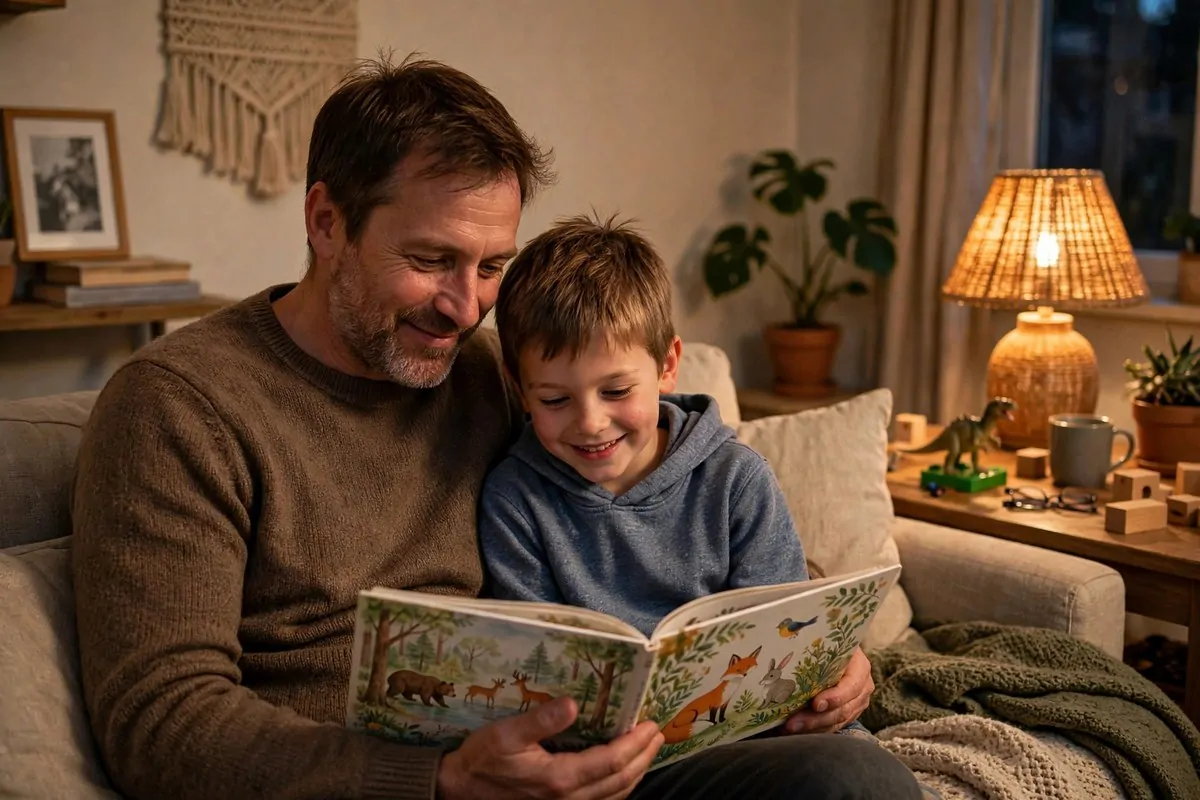
A mind that is fed daily grows stronger with each year, and a mind that is left hungry stays small. Warren Buffett spends hours each day reading, and he has said that knowledge builds up like money that grows on its own growth. A book is the cheapest teacher a person can keep, and it never asks for a wage.
A Yale University study found that people who read books lived nearly two years longer on average than people who did not read books. The readers in the study read for about 30 minutes a day, and that small habit added nearly two years to their lives. A mind that reads is a mind that stays young, and a young mind earns for more years.
Read one page each night, and let the page be the smallest promise you keep. A page a night is 365 pages in a year, and 365 pages can hold two or three good books. Small reading kept for a year beats a grand course that is never finished.
Choose books that teach a real skill or a plain truth about money and work. A book on a trade, a book on clear thinking, or a book on the lives of wise builders can each change a year. Ask a skilled elder which book changed his life, and start with that one.
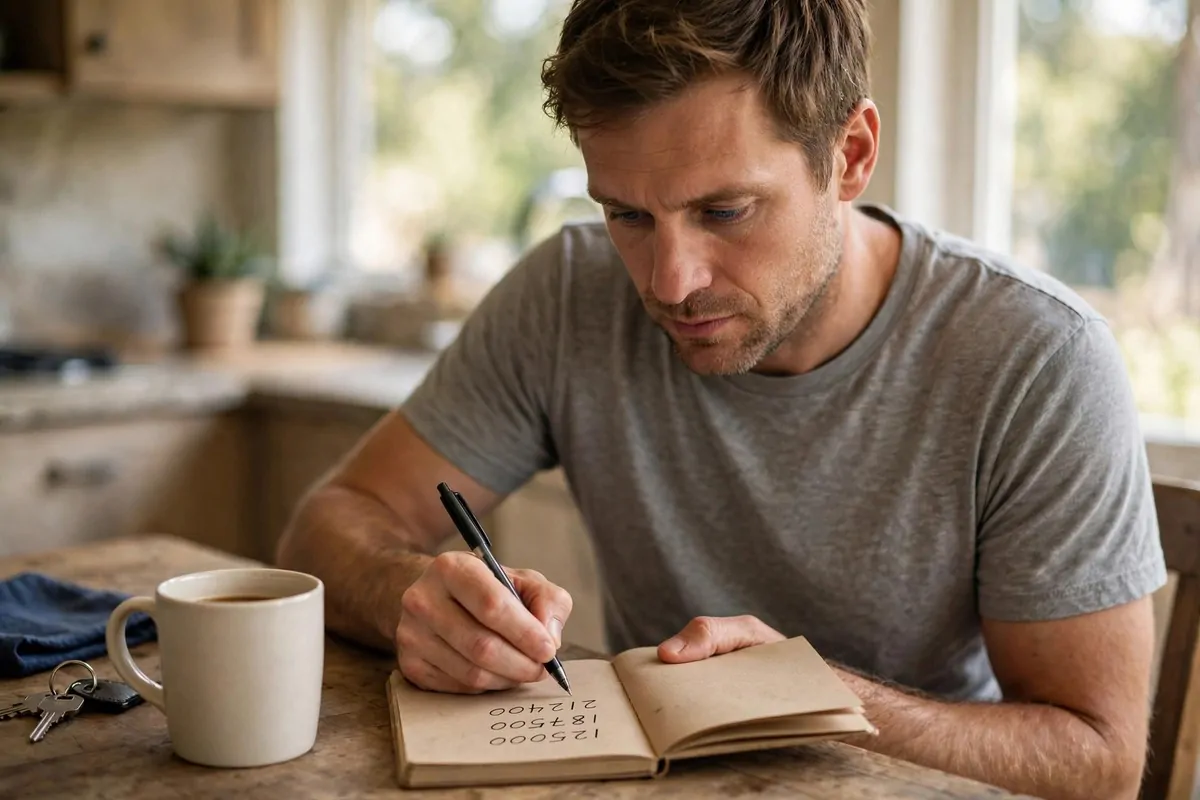
Keep a small notebook beside your bed, and write one line from each book you read. A line written in ink stays longer than a line only read, and the notebook becomes a store of your own learning. A mind that writes what it learns is a mind that truly knows.
Teach what you learn to a friend or a child, and the lesson will grow deeper. A lesson taught is a lesson kept twice, and a mind that teaches is a mind that truly owns the idea. Teaching is the last step of learning, and it is the step that makes the lesson last.
Count the books you finished last year, and set a plain goal for this year. If the count was two, aim for four, and if the count was four, aim for six. A mind that grows by two books a year is a mind that is climbing, and the climb shows in its work.
4. Grow Small Habits That Quietly Change Your Years
A habit is a small act repeated until it needs no thought, and habits are the quiet engine of a life. A man who saves a coin each day, reads a page each night, and walks each morning is building a new life without a loud event. Small habits kept for years can lift a heavy life into a light one.
A study by University College London found that a new habit takes about 66 days to feel natural, and the range runs from 18 days to 254 days. That number shows that the first two months are the hardest part, and the habit grows easier with each week. A mind that keeps a small habit for two months is a mind that is already changing.
Start each habit so small that it is hard to fail, and let the size grow on its own. A promise to read one page is a promise you can keep even when you are tired, and a promise to walk five minutes is a promise you can keep even in rain. Tiny habits kept are worth more than grand habits broken.
Tie each new habit to an old one, so the day carries it without effort. Read one page after dinner, walk for ten minutes after lunch, and write one line before bed. A habit tied to a meal or a bedtime is a habit that the day will not forget.
Mark each kept day with a tick on a plain page, and let the row of ticks grow long. A page full of ticks is a mirror that shows your growth in ink, and plain ink is hard to argue with. The page need not be grand, and it needs only to be honest.
When a habit breaks, do not scold yourself, and start again the very next day. A broken streak is not a failed life, and it is a single step back on a long road. The person who restarts fast is the person who grows, and the person who quits is the one who stays small.
Pick one habit tonight, and keep it for the next 66 days without a break. A single habit kept for two months is proof that you can change, and the proof will fuel the next habit. Your years are built from days, and your days are built from habits.
5. Choose People Who Lift You Higher
The people around you shape your life more than any book or course, and a good circle can lift a man for years. A friend who reads, saves, and learns will pull you toward the same habits, while a friend who mocks learning will pull you back. Your circle is a school you attend each day, so choose its teachers with care.
Seek out rooms where people are learning, and sit in them once a week. A free class, a small trade group, or a quiet reading circle can put you beside people who are also moving up. One new face a month can change the whole colour of your year.
Ask a skilled elder to guide you, and offer your own help in return. A worker who asks a master how he built his trade learns in an hour what a book would take a month to teach. A question asked with an honest heart is never a shame, and it is the fastest road to growth.
Guard your time from voices that pull you back to old habits. A voice that mocks saving or laughs at learning is a voice that keeps a life small. You need not argue with such voices, and you need only give them less of your hours.
Share your goal with one trusted friend, and ask him to check on you each month. A shared goal is easier to keep than a secret rule, and a friend who asks about your progress keeps you honest. Two people climbing together climb faster than one alone.
Teach your children to pick friends who lift them, and let the lesson start at your own table. A child who eats with builders learns to build, and a child who eats with mockers learns to mock. The circle you keep is the school your children attend each day.
Look at the five people you spend the most time with, and ask what they are building. If the list holds learners, savers, and kind builders, your circle is already lifting you. A life moves up with its company, and your company is the last part of the investment.
Conclusion
These five parts share one plain idea, and that idea is that the most important investment you can ever make is yourself. Skills, health, learning, habits, and good people grow in value for your whole life, and no market fall can take them from you. Each part is a fact you can act on this week, and the parts add up to a real change.
Buffett showed by his long life that slow growth beats fast noise, and his way was simple. He took a simple idea and took it seriously, and he kept that habit for decades. His way asks for no large sum and no lucky break, and it asks only for a clear mind and a calm step each day.
I hope you count your own parts tonight, and mark each one with an honest hand. You may hold two or three already, and that is a strong start for any person who is growing. Pick the weakest part first, and give it one small step this week.
Your past does not decide your future, and your wage does not decide it either. Your daily habits decide it, one small choice at a time, and each choice is a brick in a new life. A person who keeps his habits in calm is a person who climbs, and the climb is real even when it is slow.
Share this article with a friend who works hard yet wonders where to put his time and money. A shared idea is easier to see than a lonely one, and a friend who grows with you grows faster. Talk about the five parts over a meal, and let each person name the one they will start first.
A year from now, the parts will be clearer, and the life they point to will feel more like home. Keep the learning hour, keep the walk, and keep the calm that a growing skill brings. Growth is not a single leap, and it is a slow climb that rewards each steady foot.
Tonight, before the day ends, prove to yourself that the change is real. I ask you to take one small step tonight, and to keep it for the next 66 days. Put one coin aside for a course, read one page, or walk for ten minutes after dinner. A year from today, you will be glad you started on this very night.