10 Smart Ways to Save Money on Monthly Bills Most People Overpaying
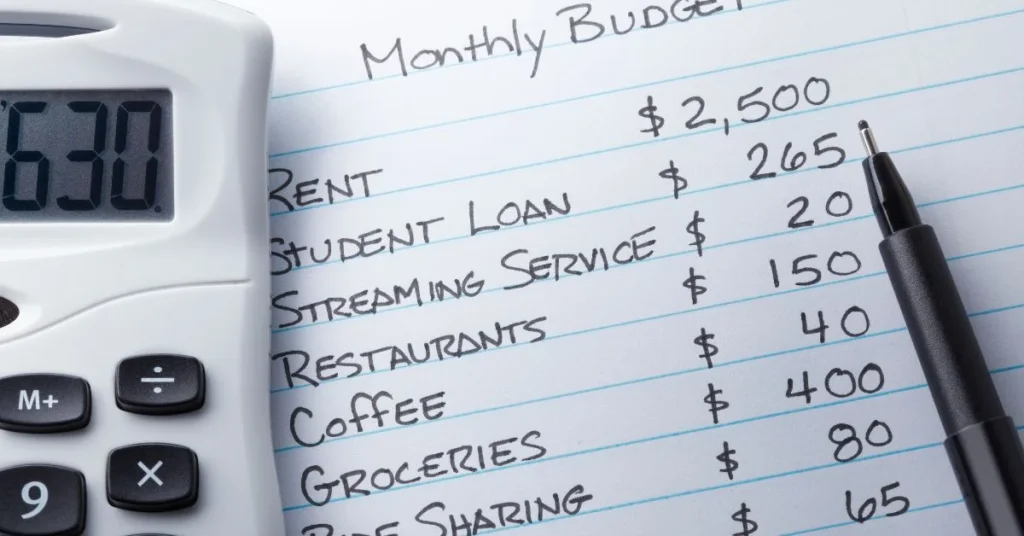
We are feeling tired when opening a bank app and feeling nothing dramatic at all. No crisis. No emergency. Just the slow, dull recognition that money leaves every month in ways you don’t fully remember agreeing to. Many people recognize that feeling immediately.
What’s strange is that most of this overspending doesn’t come from recklessness. It comes from comfort. From habits that once made sense and then quietly outlived their usefulness. Bills have a way of blending into the background of life, like furniture you stop seeing after a while. You walk around them without noticing how much space they take.
Over time, certain patterns start to stand out. Not tips or tricks. Patterns. The places where smart, capable people keep paying more than they need to, not because they’re careless, but because life got busy and the bill stayed put. What follows isn’t advice in the usual sense. It’s a set of recognitions that tend to emerge slowly, often after paying the same charge one too many times and finally wondering why.
1. The phone plan you chose for a version of yourself that no longer exists
Most phone plans begin with optimism. You imagine travel. Long calls. Heavy data use. You sign up for something generous because it feels safer that way. The generosity rarely gets used.
Many people now live on Wi-Fi, moving between home, work, and familiar places. The data allotment sits untouched while the bill stays high, month after month, quietly loyal to an old assumption about how life would look.
There is also something emotional here. Changing a phone plan feels oddly disruptive, as if it might break something essential. That hesitation is common. But when actual usage is examined rather than imagined need, the mismatch becomes obvious. The plan isn’t wrong. It’s just outdated.
What often goes unnoticed is how long people pay for potential instead of reality. Once that pattern becomes visible, it tends to show up elsewhere too.
2. Streaming subscriptions that became background noise
At some point, streaming stopped feeling like entertainment and started feeling like infrastructure. A small charge here, another there. Individually harmless. Together, heavier than expected.
Many subscriptions are opened out of curiosity and kept out of habit. Apps get opened automatically, scrolled briefly, then closed without watching anything. And still paid. Not because they’re loved, but because canceling feels like admitting something about identity has shifted.
Subscriptions have a way of attaching to self-image. Letting one go can feel like letting go of a version of yourself. Yet when cancellations actually happen, nothing collapses. Evenings stay full.
The money saved matters, but the clarity matters more. Paying attention to what is actually used versus what is imagined to be used changes how all recurring expenses are seen.
3. Insurance coverage that never caught up with your current life
Insurance is one of those categories people avoid revisiting because it feels complicated and vaguely threatening. That instinct is widespread.
But lives change faster than policies. Cars age. Commutes shorten. Children move out. Risk profiles shift while premiums remain frozen in time. Many people eventually realize they are paying for coverage based on a lifestyle they’ve already left behind.
What’s surprising isn’t just the potential savings, but how little effort it takes once the review actually happens. A conversation. A recalculation. The quiet relief of knowing the numbers now match reality.
There’s something grounding about aligning protection with who you actually are, not who you were when the paperwork was signed.
4. Energy bills shaped by old habits, not current awareness
Utilities feel fixed, almost moral in their certainty. Lights cost money. Heat costs money. End of story. Or so it seems.
Over time, it becomes clear that the biggest energy costs aren’t tied to comfort, but to habits that stopped being questioned. Appliances running longer than necessary. Thermostats set once and never reconsidered. Small inefficiencies multiplied over years.
Few people change everything at once. What usually happens first is noticing. And that noticing alone alters behavior. The bill follows.
What stays with people is how awareness, not sacrifice, makes the difference. Comfort remains. Waste quietly leaves.
5. Internet speeds chosen out of fear, not need
There’s a quiet anxiety around internet speed. Nobody wants to be the person whose video freezes or meeting drops. So plans get upgraded, just in case.
Many households end up paying for protection against a scenario that rarely happens. Downgrading feels risky for about a week. Then life continues exactly as before, just cheaper.
It’s a subtle lesson in how fear shapes spending more than reality does.
6. Bank fees that rely on inattention
Few people choose bank fees consciously. They happen in the margins. An account minimum missed. An overdraft triggered by timing rather than irresponsibility.
Banks depend on customers being busy. Once accounts are organized around how money actually flows, many of those fees disappear.
It isn’t about being smarter. It’s about being present.
7. Gym memberships that represent intention more than action
This one is tender. Many people pay for gyms they rarely visit because canceling feels like giving up on themselves.
Eventually, a realization surfaces. Movement doesn’t disappear when the membership does. It just changes form. Walks. Home routines. Less guilt.
The savings are tangible. The emotional relief often matters more.
8. Home services bundled long after you stopped using them
Cable boxes gathering dust. Landlines nobody answers. Bundles once convenient now quietly excessive.
Unbundling feels like cleaning out a drawer. A little tedious. Very freeing.
9. Brand loyalty that outlived its usefulness
People stay loyal because it feels honorable. But companies change. Prices creep. Alternatives improve.
Loyalty works best when it’s mutual. When it isn’t, reassessing isn’t betrayal. It’s adulthood.
10. Automatic renewals that benefit no one but inertia
Automation is helpful until it isn’t. Renewals happen while attention is elsewhere.
The moment renewals get reviewed annually, patterns emerge. Many don’t deserve another year.
A few things that become clear along the way
• Most overpaying isn’t foolishness. It’s forgetfulness.
• Bills often reflect past lives more than current ones.
• Awareness changes behavior without force.
• Letting go feels harder than it is.
• Clarity saves more than money.
Conclusion
In the end, saving money on monthly bills isn’t about becoming disciplined or clever. It’s about noticing life as it actually is in 2026, not as it once was or might be again. Annie Dillard once wrote that how we spend our days is how we spend our lives.
Money, it turns out, follows the same quiet rule.