7 Best Mirrorless Cameras From Amazon’s Best Sellers List That Are Worth Every Penny
Disclosure: This article contains affiliate links. If you make a purchase through these links, we may earn a small commission at no extra cost to you. See our Affiliate Disclosure

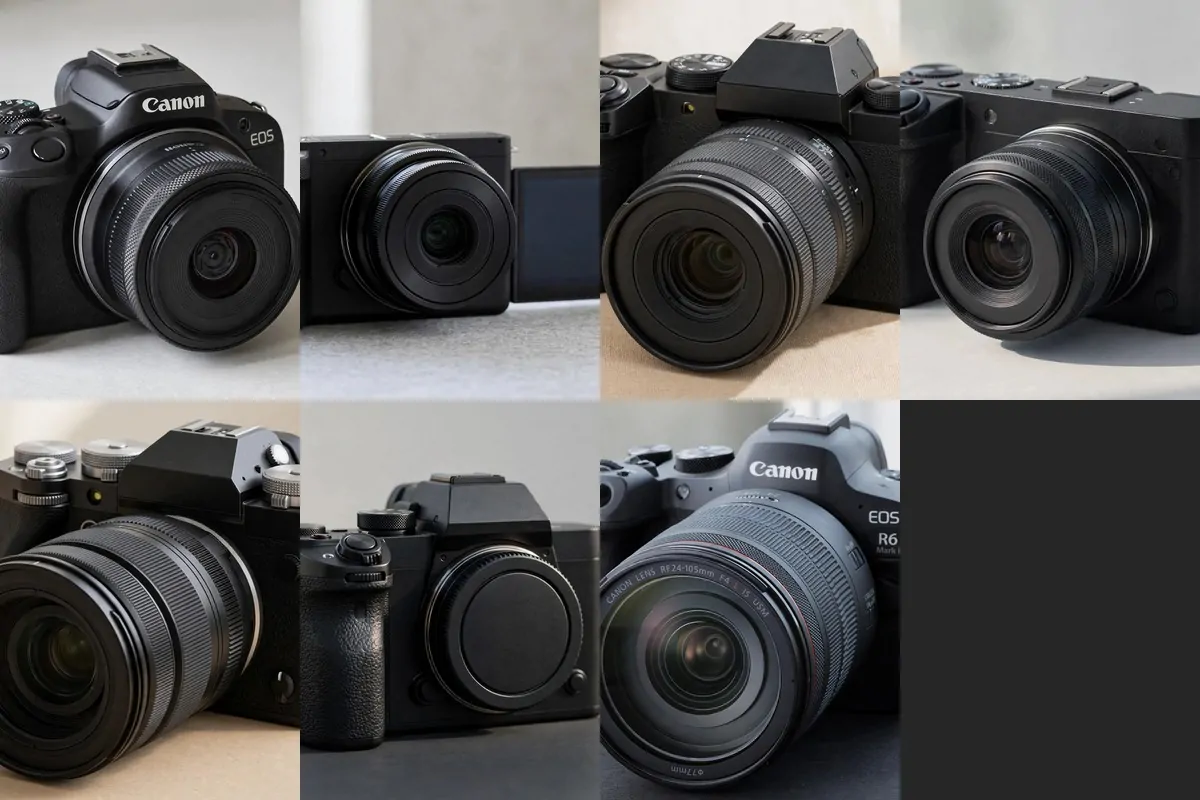
Picking a camera should be fun, but the long lists of specs can make it feel hard. A mirrorless camera is a good place to start because it has no mirror box inside, so the body stays small and light while the photo quality stays high. You can swap lenses as you learn, which means one camera body can grow with you for years. This guide keeps things simple and walks you through the best seller picks one by one.
Mirrorless cameras work in a plain way. Light comes through the lens and lands right on the sensor, and you see the shot on a screen or in a small electronic viewfinder before you take it. What you see is close to what you get, so there are fewer surprises. That helps a lot when you are new, because you can learn fast from each shot you take.
I went through the best seller lists and the top guides for this year, and I kept only the cameras with a strong track record and a kit that makes sense for real use. Each pick below comes with the lens it is sold with, except for one body only pick that is marked as such. The list starts with easy beginner picks and moves up to pro level bodies, so you can stop at the level that fits your plans.
One more thing to know before you scroll down is that a kit lens is a fine start for most people. It covers wide shots of rooms and streets as well as closer shots of people and pets. You can add a new lens later when you know what kind of photos you love most, and there is no rush to buy it all at once.
Quick Picks
| Camera | Best For | Sensor |
|---|---|---|
| Canon EOS R50 with RF-S 18-45mm Lens Kit | First camera and family photos | 24.2MP APS-C |
| Sony ZV-E10 II with 16-50mm Lens | Video and content creation | 26MP APS-C |
| Fujifilm X-S20 with XF 18-55mm Lens Kit | Travel and long days out | 26.1MP APS-C |
| Canon EOS R8 with RF 24-50mm Kit | Light full-frame upgrade | 24.2MP full-frame |
| Fujifilm X-T5 with XF 16-50mm Lens Kit | Stills, color, and craft | 40.2MP APS-C |
| Sony Alpha 7 IV Body Only | Serious hybrid photo and video | 33MP full-frame |
| Canon EOS R6 Mark II with RF 24-105mm Lens Kit | Fast action and pro work | 24.2MP full-frame |
1. Canon EOS R50 with RF-S 18-45mm Lens Kit
The R50 is the kind of camera you buy when you want better photos without a steep learning curve, because it does a lot of the hard work for you. Its 24.2MP APS-C sensor gives you sharp, clear shots that look great on a phone screen and in print. The Dual Pixel autofocus finds eyes and faces fast, so portraits of kids and pets come out sharp even when they move. For a first camera, that kind of help matters more than any spec on a box.
Size is a big win here, since the body weighs only about 375 grams and fits in a small bag with ease. You can take it on a walk, to a park, or on a trip without feeling like you packed a brick. The flip-out touchscreen lets you shoot from low angles or turn it around for a selfie style shot. Menus are plain and friendly, with a guided mode that explains what each setting does in simple words.
Video is strong too, with sharp 4K footage that suits short clips, school projects, and family films. The kit lens covers wide room shots and closer portraits, so you do not need a second lens right away. Built-in Wi-Fi and Bluetooth send photos to your phone in a few taps, which makes sharing quick. For most new shooters, this is the easy path into real photography.
Low light is handled well for a camera at this level, and indoor shots stay clean when you use a steady hand. Colors look warm and true to life straight out of the camera, so you spend less time fixing photos later. The electronic viewfinder helps on bright days when a screen is hard to see. It is a small touch, but it makes sunny day shooting much more fun.
One thing new buyers love is how fast the camera wakes up and focuses when a moment pops up. You will miss fewer shots of a dog mid-jump or a child mid-laugh. The battery is fine for a day of casual shooting, though a spare is a smart add for long trips. A memory card with fast write speed keeps burst shooting smooth.
Think of this kit as a starter set that still leaves room to grow, because it uses the Canon RF mount. That mount opens the door to a wide range of lenses, from cheap portrait primes to long zooms. You can learn at your own pace and add gear only when you know what you want. That is a kind and wallet-friendly way to start a hobby.
If you want a camera for birthdays, holidays, and daily life, the R50 is hard to beat for ease and value. It is light, smart, and kind to beginners, yet it still shoots photos that make people ask what camera you used. Pair it with a spare battery and a comfy strap, and you are set for a long time.
| Pros | Cons |
|---|---|
| ✓ Fast eye and face autofocus for sharp portraits | ✕ Small grip that may feel tight for large hands |
| ✓ Very light body that is easy to carry all day | ✕ No headphone jack for video monitoring |
| ✓ Flip-out touchscreen for easy self shots | |
| ✓ Sharp 4K video for clips and family films | |
| ✓ Simple guided menus for new shooters |
2. Sony ZV-E10 II with 16-50mm Lens
Creators love this camera because it was built from the ground up for video first, and it shows in every small choice. The 26MP APS-C sensor gives clean, detailed footage and stills, while the flip-out screen makes framing yourself a breeze. A directional mic with a wind cover sits on top, so your voice stays clear even when you film outside. If you film talks, tutorials, or daily vlogs, this kit feels made for you.
Autofocus is a star here, with fast subject tracking that locks onto a face and stays with it as you move. You can walk and talk without the focus hunting back and forth, which keeps clips looking smooth. The 16-50mm power zoom lens is small and light, and it zooms with a lever instead of a twist. That makes slow, steady zoom shots much easier for one person filming alone.
Video specs are strong, with 4K up to 60 frames per second for smooth motion and crisp detail. Vertical video is simple too, since the camera can tag upright clips for phone viewing. A product showcase mode shifts focus to an item you hold up, which is handy for demos and reviews. These small tools save time and make your clips look polished with less work.
Stills are no afterthought either, with 26MP files that print well and crop with room to spare. Colors look fresh and clean, and the camera handles skin tones in a kind way. The body is light enough to hold at arm’s length for a while, and the grip feels secure in one hand. For travel vlogs, that light weight is a real gift at the end of a long day.
Battery life is fair for a small creator camera, and USB charging means you can top up from a power bank on the go. The menu has a simple creator mode that hides the deep settings until you want them. That keeps early days fun instead of fiddly, and you can dig deeper as your skills grow. A spare battery is still a wise buy for long shoot days.
Lens choice is a plus, because the Sony E mount has a huge range of lenses from Sony and other makers. You can start with the kit zoom and later add a wide lens for rooms or a bright prime for soft backgrounds. The camera grows with your channel and your taste, which makes it a smart long term pick. It also pairs well with a small tripod grip for walk and talk shots.
For anyone who films more than they shoot stills, the ZV-E10 II is one of the easiest wins on this list. It is light, clever, and focused on the jobs creators do each day. Set it up once, learn the few key buttons, and you can film with trust from day one.
| Pros | Cons |
|---|---|
| ✓ Strong subject tracking that stays locked on faces | ✕ No built-in viewfinder, so you frame with the screen |
| ✓ Clear built-in mic with a wind cover for outdoor clips | |
| ✓ Smooth 4K video up to 60 frames per second | |
| ✓ Light body that is easy to hold for long takes |
3. Fujifilm X-S20 with XF 18-55mm Lens Kit
Travel days are where the X-S20 shines, because it packs serious power into a body that weighs just 491 grams. The 26.1MP sensor and the fast X-Processor 5 give you rich detail and lovely color, even in mixed light. Fujifilm film looks are built in, so your photos can have a warm, classic feel with no editing at all. For trips, that means great shots straight from the camera.
Battery life is a standout here, with one of the best ratings in its class for a camera this size. You can shoot all day at a market, on a hike, or around a city without hunting for a plug. The 18-55mm kit lens is a gem too, with a bright aperture at the wide end and steady stabilization for low light. It covers street scenes, food shots, and portraits with ease.
Video is just as strong, with 6.2K open gate recording and sharp 4K for creators who film on the road. A dedicated vlog mode on the dial makes setup fast when you want to talk to the camera. The flip screen turns all the way around, so self shots and low angle shots are simple. Autofocus tracks people, animals, and moving subjects with trust.
Handling feels good in the hand, with a deep grip that suits long days of carrying the camera. Dials fall under your fingers in a natural way, and the touch screen is quick to use. Weather sealing is not full pro level, but the build feels solid and ready for daily use. It is the kind of camera you reach for without thinking twice.
Stills shooters will love the film looks most of all, because each one gives a different mood to the same scene. You can try a soft, warm look for a sunset or a bold look for street shots. Files hold up well when you crop or print, thanks to the sharp sensor and good lens. It is a fun camera to learn on because it rewards play.
One more plus is the huge Fujifilm lens range, which runs from tiny primes to long zooms. You can start with the kit lens and add a small prime later for dreamy backgrounds. The system is popular with travel shooters, so used lenses are easy to find too. That keeps the cost of growing your kit fair over time.
If your camera needs to last from dawn to dusk on a trip, the X-S20 is a top pick for the job. It is light, long lasting, and full of color, and it never feels like a chore to carry. Pack it with a spare card and you are ready for a full day out.
| Pros | Cons |
|---|---|
| ✓ Long battery life for full days of travel shooting | ✕ No full weather sealing for heavy rain |
| ✓ Lovely built-in film looks with no editing needed | ✕ Single card slot, so no in-camera backup |
| ✓ Bright 18-55mm kit lens for low light shots |
4. Canon EOS R8 with RF 24-50mm Kit
Stepping up to full-frame changes your photos in a quiet but real way, and the R8 is the lightest path to get there. Its 24.2MP full-frame sensor gathers more light, so indoor and dusk shots look cleaner with less grain. Backgrounds blur in a soft, pleasing way that makes portraits stand out. If you have outgrown a smaller sensor, this is a natural next step.
Weight is the surprise here, because at about 461 grams this is one of the lightest full-frame cameras you can buy. It feels more like a travel camera than a pro brick, and it fits in a small bag with the compact 24-50mm kit lens. That lens is short when closed, so the whole kit stays pocket friendly for a full-frame setup. You can walk a city all day without a sore neck.
Autofocus comes from Canon’s top line, with subject detection for people, animals, and vehicles. It locks on fast and stays glued, even when your subject moves across the frame. Video is strong too, with uncropped 4K up to 60 frames per second oversampled from 6K for crisp detail. For hybrid shooters who do both stills and video, this is a sweet spot.
Colors are classic Canon, warm and kind to skin tones, so portraits need little work after the shoot. The vari-angle screen flips out for vlogging or low shots, and the touch controls are quick to learn. Dual Pixel autofocus works well in video as well, with smooth shifts that look pro. It is a camera that flatters the person in front of it.
Lens choice is wide open, since the RF mount now has options from wide to super long. The 24-50mm kit lens is a fine start for streets, travel, and family shots. Later you can add a bright 50mm prime for dreamy portraits or a long zoom for wildlife. The system grows with you, and each new lens feels like a new camera.
Handling is simple and clean, with a mode dial and a clear menu that new full-frame buyers will grasp fast. The body is small, so people with very large hands may want a grip add-on for long days. Battery life is fair for a small body, and a spare battery is a cheap fix for long shoots. A fast card keeps the 4K video smooth.
For shooters who want full-frame quality without full-frame bulk, the R8 is a gem of a pick. It is light, fast, and full of Canon’s best autofocus smarts. Take it on your next trip and you will see the jump in your photos right away.
| Pros | Cons |
|---|---|
| ✓ Very light full-frame body for all day carry | ✕ No in-body stabilization, so it leans on lens stabilization |
| ✓ Clean low light shots with less grain | |
| ✓ Top class subject detection for people and animals | |
| ✓ Crisp uncropped 4K video up to 60 frames per second | |
| ✓ Compact 24-50mm kit lens that packs down small |
5. Fujifilm X-T5 with XF 16-50mm Lens Kit
Some cameras are tools, and some are a joy to hold, and the X-T5 is firmly in the second group. Its classic dials for shutter speed and exposure sit right on top, so you can set a shot by feel without digging through menus. The 40.2MP sensor gives huge, detailed files that crop deep and print large with ease. For stills lovers, this is a camera that makes slowing down feel good.
Detail is the headline here, with more resolution than most APS-C cameras on the market. Landscapes keep fine texture in grass and stone, and portraits hold crisp detail in eyes and hair. In-body stabilization rated up to seven stops helps when light drops or you shoot handheld at slow speeds. That means sharper shots in more places, with less need for a tripod.
Color is where Fujifilm earns its fans, with film looks that give photos a warm, rich mood straight out of camera. You can shoot a street scene and have it look like a finished photo with no edits. The 16-50mm kit lens is sharp and weather resistant, and its range covers wide views and short portraits. It is a strong partner for the high resolution sensor.
Build quality feels a step up, with weather sealing that stands up to dust and light rain on a hike. The body is still compact at about 557 grams, so it travels well for a serious camera. A three-way tilt screen helps with low and high angle shots, which landscape shooters will love. Dials and buttons feel firm and precise, not loose or cheap.
Video is solid too, with 6.2K recording and sharp 4K for hybrid shooters who film now and then. Autofocus tracks subjects well, though this camera is at its best when stills come first. A pixel shift mode can blend many shots into one ultra detailed file for still subjects. That is a fun tool for product shots and quiet scenes.
Lens choice is a treat, with Fujifilm’s wide range of small, sharp primes that suit this body so well. A 23mm or 35mm prime turns the X-T5 into a perfect street camera that fits in a coat pocket. The system has a loyal fan base, so tips and lens guides are easy to find. It is a camera you can build a whole style around.
If you love the craft of photography and want files with room to crop and print big, the X-T5 is a dream pick. It slows you down in a good way and rewards you with rich, detailed photos. Take it out for a golden hour walk and see what it can do.
| Pros | Cons |
|---|---|
| ✓ Huge 40.2MP detail for big prints and deep crops | ✕ High resolution files take more card space |
| ✓ Classic top dials for fast, hands-on shooting | ✕ Tilt screen does not flip fully forward for self shots |
| ✓ Strong in-body stabilization for low light work | |
| ✓ Weather sealed body for dust and light rain |
6. Sony Alpha 7 IV Body Only
Workhorse is the right word for the a7 IV, because it handles just about any paid or serious job you throw at it. The 33MP full-frame sensor gives a sweet balance of detail and clean low light files, and it never feels short on room to crop. Real-time eye autofocus for people, animals, and birds locks on with trust. For weddings, events, and portraits, that trust is worth a lot.
Hybrid shooting is where this body earns its keep, with 4K video up to 60 frames per second and 10-bit color for smooth grading. A vari-angle screen flips out for video work and odd angle stills. Dual card slots take a CFexpress Type A card and an SD card, so you can back up shots as you go. That backup is a must for pros who cannot reshoot a moment.
Handling feels pro but friendly, with a deep grip and a clear menu that Sony has refined over years. Custom buttons let you put your most used settings right where your fingers rest. The viewfinder is sharp and clear, which helps when you shoot in bright sun. Battery life is strong for a full-frame hybrid, and USB charging tops it up on the go.
Image quality is rich and flexible, with wide dynamic range that saves detail in bright skies and dark shade. Raw files bend well in editing, so you can lift shadows without ugly noise. Colors are natural and true, which suits skin tones and product shots alike. It is a safe, smart pick when one camera must do it all.
Note that this listing is body only, so you will need a lens to start shooting. A 28-70mm kit zoom or a 50mm prime are both fine first buys, and the Sony E mount has endless options. Think of the body as the long term base, and add lenses as your work grows. That path costs more up front, but it pays off for years.
Video creators get extra tools too, like breathing compensation for focus shifts and a focus map for manual work. Streaming is simple with a USB link to a computer, which suits live talks and classes. The camera stays cool and steady for long takes in normal use. It is a true all rounder, not a stills camera with video bolted on.
If you want one camera for client work, travel films, and family photos in one bag, the a7 IV is a rock solid choice. It is proven, trusted, and used by pros all over the world. Pair it with a lens you love and it will serve you for a long time.
| Pros | Cons |
|---|---|
| ✓ Trusted eye autofocus for people, animals, and birds | ✕ Body only listing, so a lens is bought apart |
| ✓ Dual card slots for backup while you shoot | |
| ✓ Wide dynamic range for bright skies and dark shade |
7. Canon EOS R6 Mark II with RF 24-105mm Lens Kit
Speed is the story of the R6 Mark II, and it is built for moments that do not wait around. With an electronic shutter burst up to 40 frames per second, you can catch the exact peak of a jump, a sprint, or a bird taking flight. The 24.2MP full-frame sensor keeps files fast to handle and clean in low light. For sports, wildlife, and events, this pace is a game changer.
Autofocus is superb, with detection for people, animals, and vehicles that sticks even in busy scenes. It finds eyes through glasses and helmets, and it tracks a runner across the whole frame. The RF 24-105mm kit lens is a true all day zoom, from wide rooms to close portraits without a lens swap. That range means fewer missed shots while you fumble in a bag.
Video is just as fast, with 6K oversampled 4K up to 60 frames per second for crisp, detailed footage. In-body stabilization steadies handheld clips and slow shutter stills alike. Dual SD card slots let you back up every shot as you take it, which pros rely on for paid work. It is a camera that covers stills and video at a pro pace.
Low light work is a joy here, with clean files at high sensitivity and fast focus even in dim halls. Colors stay true and skin tones look natural, so event photos need little fixing. The grip is deep and comfy for long days, and the body is weather sealed for rain and dust. It feels like a tool made to be used hard.
Handling is quick, with a joystick for focus point control and dials that fall right under your thumb. The viewfinder is bright and sharp, which helps when tracking fast subjects in sun. Battery life is fair for a camera this fast, and a spare is wise for a full event day. A fast card is a must to keep up with the burst rate.
Lens choice is huge on the RF mount, from cheap primes to pro super telephoto zooms. The 24-105mm kit lens is a fine start, and a 100-500mm zoom turns this body into a wildlife machine later. That growth path is why so many pros pick this system and stay with it. Each new lens opens a new kind of shoot.
For shooters who need speed, trust, and pro backup in one body, the R6 Mark II is the top pick on this list. It costs more than the beginner picks, but it earns that gap with every fast frame. If action is your thing, this is the camera to grow into.
| Pros | Cons |
|---|---|
| ✓ Blazing 40 frames per second burst for action shots | ✕ Heavier than the beginner bodies on this list |
| ✓ Superb subject detection for sports and wildlife | ✕ Big burst files fill cards fast, so pack spares |
| ✓ Versatile 24-105mm kit zoom for all day use | |
| ✓ In-body stabilization for steady handheld shots | |
| ✓ Dual card slots for backup on paid jobs |
Key Takeaways
- Start with the Canon EOS R50 if you are new and want a light, simple first camera.
- Pick the Sony ZV-E10 II when video and content creation come first.
- Choose the Fujifilm X-S20 for long travel days, thanks to its strong battery life and rich color.
- Move to the Canon EOS R8 when you want full-frame quality in a light body.
- Go for the Fujifilm X-T5 if stills, detail, and classic controls matter most to you.
- Trust the Sony Alpha 7 IV as a proven all rounder for photo and video work, and note it is body only.
- Reach for the Canon EOS R6 Mark II when speed and fast action top your list.
- Buy a spare battery and a fast memory card with any camera on this list for a smooth start.
Final Thoughts
Every camera on this list earned its place by selling well and by doing its job with trust. The best pick is not the most costly one, but the one that fits how you shoot each week. A beginner will love the light R50, while a sports shooter will feel at home with the R6 Mark II. Match the camera to your days, not to a spec sheet.
I would start with the kit lens, learn what you love to shoot, and add one lens at a time from there. That slow path keeps the hobby fun and your bag light, and it stops you from buying gear you never use. Take your time, shoot a lot, and let your photos tell you what to buy next. Your next favorite shot is closer than you think.