7 Best Drones for Beginners That Make Flying Feel Easy From Day One
Disclosure: This article contains affiliate links. If you make a purchase through these links, we may earn a small commission at no extra cost to you. See our Affiliate Disclosure

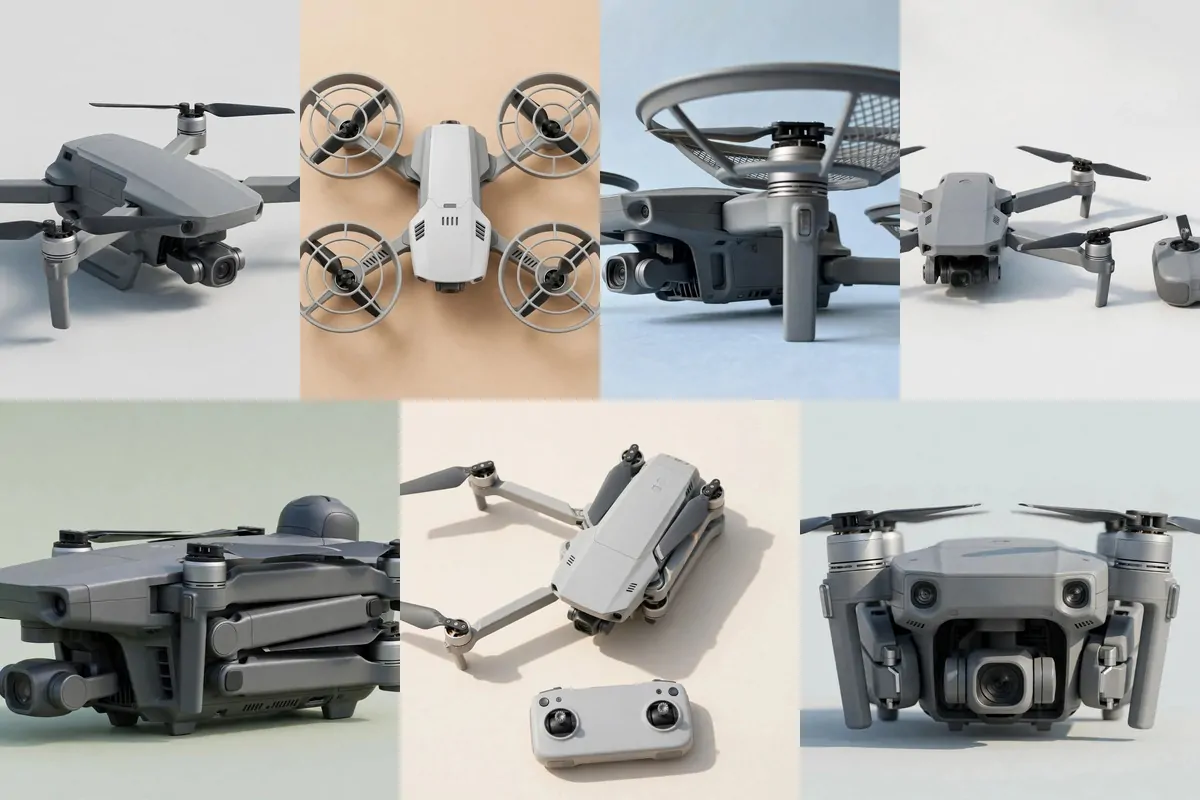
Well, flying a drone for the first time can feel a lot like learning to ride a bike on a quiet street. You want to go far, but you also want to stay safe, and you want the whole thing to feel fun from the very first try. A good beginner drone helps you do just that, because it holds still in the air, it comes back to you when you ask it to, and it forgives the small mistakes that every new pilot makes.
I learned this the slow way, by rushing my first flight and losing track of where the drone was going. A calm start would have saved me a lot of worry, and it would have given me better photos too. The best first flights are short, low, and close by, in a wide open space with no trees right overhead and no crowds nearby. When you keep those first flights simple, you learn fast and you enjoy every minute of it.
Most of the guides out there just list drones and move on, but that leaves new pilots with real questions unanswered. You need to know which drone is easy to launch, which one stays steady in a light breeze, and which one will still be fun after the first week. You also need to know what to check before you fly, how to frame a simple shot of a garden or a lake, and when to bring the drone home and call it a day.
This guide covers all of that in plain words. Each drone below was picked because it is easy to fly, it has strong reviews, and it suits a real beginner who wants family photos of landscapes, travel memories, and garden views. Read the quick picks first, then find the drone that fits the way you like to spend a weekend.
- Look for GPS hold first, because it keeps the drone still while you think.
- Look for a return home button, because it brings the drone back when you feel unsure.
- Look for a light frame under 249 grams, because it is easier to carry and simpler to fly for fun.
- Look for a simple app, because you should spend your time flying, not hunting through menus.
| Drone | Best for | Why beginners love it |
|---|---|---|
| DJI Mini 4K Drone with 4K UHD Camera | Best all round first drone | Steady 4K video, simple controls, and a calm feel in the air |
| DJI Neo Three-Battery Combo Mini Drone | Easiest first flights | Palm takeoff, tiny size, and three batteries for longer practice |
| DJI Neo 2 Drone Only | Small drone with smart sensing | Obstacle sensing, palm landing, and smooth tracking shots |
| DJI Mini 3 Drone with 4K HDR Camera | Long flights and bright photos | Long battery life and rich colour in daylight shots |
| Potensic ATOM 3-Axis Gimbal 4K GPS Drone | Best non-DJI pick | Smooth gimbal video and a strong GPS hold |
| Potensic ATOM SE GPS Drone with 4K EIS Camera | Simple GPS flying on a budget | Easy modes, steady hover, and a foldable travel shape |
| DJI Mini 4 Pro Drone with DJI RC 2 | Grow into it for years | All round sensing and a screen controller for clear flying |
1. DJI Mini 4K Drone with 4K UHD Camera
If you want one drone that does almost everything well for a first timer, this is the one most new pilots should start with. It is light, it folds small, and it feels calm in the air even when your hands feel a bit shaky. The camera sits on a three axis gimbal, which is just a small steady mount that keeps your video smooth while the drone moves. That means your shots of a lake, a park, or a garden path look steady even if you are still learning to steer.
Setting it up is simple, and that matters more than most people think on day one. You unfold the arms, you link your phone to the controller, and you wait for the drone to lock onto satellites before you lift off. That short wait is worth it, because a good satellite lock helps the drone hold its place and find its way home. Once you are up, the drone hovers in place when you let go of the sticks, so you can stop, breathe, and plan your next move.
For photos, this drone shines in daylight, which is when most beginners fly anyway. A slow rise over a garden gives you a wide view that looks far better than a photo taken from the ground. A gentle move forward along a path keeps the scene smooth and easy to watch later. Try short moves first, then link two or three of them together, and you will soon have clips that feel like a small film of your weekend.
Flight time is long enough for real practice, and one battery gives you time to try a few ideas in one outing. Start with takeoff and landing, then try a slow turn, then try a simple forward flight and a gentle stop. Land, look at your clips, and think about what you liked before you fly again. That slow loop of fly, watch, and adjust is how new pilots get good fast, without stress.
Wind is the one thing to respect with any small drone, and this one handles a light breeze well for its size. If trees are swaying hard or dust is blowing across the field, save the flight for a calmer hour. A calm morning or a still evening gives you steadier video and a much more relaxed first flight. You will learn more in twenty calm minutes than in an hour of fighting gusts.
Travel is easy too, because the whole kit packs down small and fits in a day bag with room to spare. That makes it a good pick for family trips, where you want one small bag and no fuss at the park or by the lake. Keep spare propellers and a dry cloth in the bag, and you are ready for most small surprises. A little care after each flight, like wiping the lens and folding the arms gently, keeps the drone in good shape.
The app adds simple one tap flight moves that help beginners get lovely shots without tricky stick work. A slow circle around a tree, a gentle rise over a garden bed, or a smooth pull back from a view can all be done with a few taps. Use those moves sparingly at first, so you still learn to steer by hand. Over time you will know when to steer yourself and when to let the app help.
| Pros | Cons |
|---|---|
| ✓ Smooth 4K video from a steady three axis gimbal | ✕ Small size means a light feel in strong wind |
| ✓ Calm GPS hover that helps new pilots relax | ✕ Few colour choices for the body |
| ✓ Folds small for easy travel and day trips | |
| ✓ Simple app with helpful one tap flight moves | |
| ✓ Return home button for extra peace of mind |
2. DJI Neo Three-Battery Combo Mini Drone
Some people want the easiest possible start, and this tiny drone is made for exactly that kind of first step. It can take off from your palm and land back on your palm, so you do not need a flat launch pad or a big open table. At just 135 grams it feels more like a small gadget than a big flying machine, and that low weight helps new pilots feel less nervous. It is the kind of drone you can try in a garden on a calm day and put away in a jacket pocket when you are done.
The three battery combo is a smart pick for practice, because it gives you more short flights in one outing instead of one flight and a long wait. Each battery gives you a short window, so plan one skill per battery and keep notes in your head as you go. Use the first battery for takeoff, hover, and landing, use the next one for slow turns, and use the last one for a simple photo run over the garden. That plan turns a short flight time into a full practice session.
Tracking is where this little drone feels almost like magic for family moments. It can follow a person as they walk along a path, keeping them in frame while you just enjoy the walk. That makes it lovely for travel memories, like a slow walk past a lake or a stroll through a quiet park. Keep the path clear, walk at a steady pace, and let the drone do the filming while you focus on the day.
Because this drone has no big controller in the base kit, you steer it from your phone or with simple taps and gestures. That keeps the kit tiny, but it also means you should stay close and keep flights short at first. A phone screen in bright sun can be hard to see, so find a shady spot to stand and take your time. As you grow more sure, you can add a controller later and stretch your range with more control.
Video quality is good in bright daylight, and the built in stabilisation keeps clips smooth for casual viewing. It will not match a bigger gimbal drone in tricky light, but for sunny garden views and family trips it does a fine job. Shoot with the sun behind you when you can, and avoid flying straight into harsh glare. Small choices like that make a big change to how your clips look.
Safety habits still matter with a tiny drone, even though it feels toy like at first. Keep it away from faces, keep it clear of trees and wires, and always check the battery level before you lift off. Tell people nearby that you are about to fly, so no one walks into the flight path by surprise. Good habits on day one become second nature by week two, and they keep every flight fun.
For a first drone, this one wins on ease and low stress, and it is easy to see why so many beginners love it. It teaches you the basics of framing, movement, and timing without a steep learning curve. When you are ready for longer flights and a bigger camera, you will already know what you like to film. That is a strong place to start from, and it makes your next drone choice much easier.
- Try palm takeoff in a calm garden before you try it anywhere busy.
- Keep early flights low and close, so you can see the drone clearly at all times.
- Charge all three batteries the night before a practice day.
| Pros | Cons |
|---|---|
| ✓ Palm takeoff and landing with no launch pad needed | ✕ Short flight time on each single battery |
| ✓ Three batteries in the combo for longer practice days | |
| ✓ Tiny pocket size that travels anywhere with ease | |
| ✓ Simple tracking for walks and family outings |
3. DJI Neo 2 Drone Only
If the first Neo felt like a friendly toy, this newer model feels like a small drone that grew up a little. It is still tiny at 151 grams, and it still takes off from your palm, but it adds obstacle sensing in all directions to help you avoid the most common beginner bumps. That sensing does not replace good judgment, yet it gives new pilots a wider margin when they are learning to judge distance. For a second step up, or for a careful first buy, that extra help is worth a lot.
Gesture control is simple to learn and fun to use in a quiet garden or a wide lawn. A wave can start a shot, and a calm hand signal can bring the drone back to land on your palm. Practice those gestures at home first, in a clear space with no clutter overhead. Once the moves feel natural, they make quick family photos and short clips feel easy and relaxed.
Tracking is smoother here, and it follows a person with more grace as they move through a scene. A slow walk along a garden path, a gentle turn at the end of a lane, or a pause to look at a view all come out as steady clips. Keep your pace slow and your path clear, and the drone will hold you in frame without fuss. That is ideal for travel memories where you want to be in the scene, not stuck behind a controller.
Video reaches 4K with a wider range of frame rates, so your clips can look crisp on a big screen at home. In good light the detail holds up well, and colours look natural rather than harsh. As with any small drone, low light is harder, so plan your best flights for daylight hours. A bright morning over a lake or a soft evening in a park will give you the best results.
Flight time is longer than the first Neo, which means fewer stops and more time to practice each skill. Use that extra time wisely by planning one goal per flight, like a smooth rise, a slow orbit, or a gentle forward push. Land between goals, check your clips, and rest the battery for a minute before you go again. Short planned flights teach you more than one long rushed flight ever will.
Because this is sold as drone only, you should check what you already own before you buy. If you have a phone and the app, you can fly it right away with simple controls. If you want longer range and finer control, a matching controller is a good next step once you know you love flying. Buying the drone first and adding gear later keeps your first spend simple and your learning curve gentle.
For beginners who want modern sensing in the smallest possible body, this drone hits a sweet spot. It is easy to carry, easy to launch, and forgiving when you misjudge a turn. It also leaves room to grow, because you can add a controller and new skills over time. That mix of ease now and room later is hard to beat in such a tiny frame.
| Pros | Cons |
|---|---|
| ✓ All round obstacle sensing for calmer first flights | ✕ Drone only kit means a controller is a later add on |
| ✓ Palm takeoff and landing in a tiny 151 gram body | |
| ✓ Smooth tracking for walks and travel memories | |
| ✓ Crisp 4K video in bright daylight | |
| ✓ Longer flights than the first Neo for better practice |
4. DJI Mini 3 Drone with 4K HDR Camera
Some beginners want a drone that stays up longer and takes bright, rich photos, and this model has built a loyal following for exactly that reason. It is still under 249 grams, so it stays light and easy to carry, yet it offers a longer flight time that gives you room to explore a scene slowly. That extra time in the air is a gift for new pilots, because it removes the rush and lets you think about each shot.
The camera uses HDR, which helps bright skies and darker ground both look good in the same photo. A garden scene with a bright sky and shaded plants is a classic hard shot, and HDR helps balance those two parts. Try a slow rise over a flower bed in the morning light, and you will see colours that look true to life. For family photos of landscapes, that balance makes a real difference.
I still think of that first calm morning flight when I tell friends to start slow, because a quiet sky teaches you more than a busy one. Begin with a wide open field, lift to a low height, and just hover while you look at the view on your screen. Turn slowly, move forward gently, and bring the drone back to land in the same clear spot. That simple loop builds trust between you and the drone, and trust is what makes flying fun.
Vertical shooting is a handy bonus for people who share clips on their phones. The camera can turn to frame a tall scene, like a tree lined path or a garden wall covered in green leaves. That tall frame fits a phone screen well, and it saves you from cropping a wide shot later. Use it for short clips of a walk or a garden tour, and keep your moves slow so the tall frame stays steady.
Controls feel familiar if you have used any small camera drone before, and the app guides you through each step with clear prompts. Beginner mode keeps speed low and range short, which is perfect while you learn how the sticks respond. Turn that mode off only when slow flights feel easy and boring, because boredom with slow flight is a good sign that you are ready for more. Rushing past that stage is how most early mistakes happen.
Battery care is simple but worth learning from the start, since good habits protect your flight time over months. Charge batteries fully before a flying day, let them cool for a few minutes after a flight, and store them in a dry place away from heat. Never force a flight when the battery warning shows, because a safe landing with power left is always better than a tense finish. Those small habits keep every outing smooth.
For a beginner who wants long flights, bright photos, and a proven track record, this drone is a strong and sensible choice. It is not the newest model on this list, but its long flight time and easy handling still make it a joy to fly. Pair it with calm weather and a simple plan, and you will come home with photos that make you smile. That is the whole point of a first drone, after all.
| Pros | Cons |
|---|---|
| ✓ Long flight time for slow, relaxed practice | ✕ Slightly larger carry size than the tiny Neo models |
| ✓ Bright HDR photos with balanced sky and ground | ✕ Few colour choices for the body |
| ✓ Vertical shooting for tall phone friendly clips |
5. Potensic ATOM 3-Axis Gimbal 4K GPS Drone
Not every beginner wants a DJI drone, and this Potensic model is the strongest alternative for people who want smooth video without that brand. Its three axis gimbal is the star here, because it steadies the camera while the drone moves through the air. That steady mount turns a simple garden flight into smooth video that looks calm and professional, even when your steering is still new. For landscape photos and slow travel clips, that smoothness is easy to notice.
GPS hold works well on this drone, and it keeps the aircraft steady while you frame a shot. When you release the sticks, the drone stays in place instead of drifting away with the breeze. That pause is gold for beginners, because it gives you time to check your framing, adjust the camera angle, and then move on with care. A drone that waits patiently for you is a drone that teaches you well.
Visual tracking adds a fun layer for family outings, since the drone can follow a chosen subject as it moves. A slow walk through a park, a gentle stroll past a pond, or a pause to admire a view can all be filmed hands free. Keep the subject in clear view and walk at a steady pace, and the tracking stays smooth. If the subject moves behind a thick tree, just pause and let the drone catch up before you continue.
QuickShots give you short automatic moves, like a pull away from a scene or a slow circle around a point of view. Those moves are great for garden tours, because they add variety without tricky stick work. Use one QuickShot per flight at first, watch the result, and learn what each move does. Soon you will know which move fits a wide lake view and which one fits a close garden scene.
Flight time is generous for this class, and a single battery gives you room to try several ideas in one outing. Plan your flight like a short story, with a calm opening rise, a gentle middle move, and a smooth landing to close. That story shape keeps your clips tidy and easy to share later. It also stops you from wandering far on your first flights, which keeps the drone close and safe.
Wind resistance is rated for a light to moderate breeze, which suits most calm days in a park or garden. Still, always check the trees and flags before you launch, because a gusty day can push any small drone around. If leaves are rustling softly, you are likely fine, but if branches are swaying hard, wait for a calmer hour. Choosing calm weather is the simplest skill a new pilot can learn.
For buyers who want a non-DJI drone with a real gimbal and strong GPS, this one is hard to fault. It folds small, it flies calmly, and it rewards slow, thoughtful flying with lovely footage. Take time to learn the app before your first flight, charge fully, and pick a wide open space. Do those three things, and your first flights will feel far easier than you feared.
- Learn the return home button on the ground before your first takeoff.
- Keep your first flights over open grass, away from water and tall trees.
- Review each clip right after landing, while the flight is still fresh in mind.
| Pros | Cons |
|---|---|
| ✓ True three axis gimbal for smooth steady video | ✕ Slightly heavier feel than the tiniest palm drones |
| ✓ Strong GPS hold for relaxed framing | ✕ App takes a few minutes to learn on day one |
| ✓ Visual tracking for walks and garden tours | |
| ✓ Generous flight time for unhurried practice |
6. Potensic ATOM SE GPS Drone with 4K EIS Camera
Some beginners want GPS help and a 4K camera without a big learning curve, and this drone keeps that promise in a simple package. It folds down small, it weighs under 249 grams, and it uses electronic stabilisation to smooth out small shakes in your video. That mix makes it a friendly first GPS drone for people who want real photos, not just practice flights. It is also a good pick for travellers who want one small bag and no fuss.
Beginner mode is the best place to start, because it keeps speed low and gives you time to learn how each stick feels. In that mode, a gentle push moves the drone slowly, and releasing the sticks brings it to a calm hover. Spend your first few flights in that mode, even if it feels slow, because slow flights build clean habits. When slow feels easy, you can step up to normal mode with more speed and range.
The camera shoots 4K video and stills that look good in daylight, which covers most garden views and travel scenes. A slow rise over a lawn, a gentle push along a hedge, or a steady hover above a pond all come out clean in good light. Keep the sun at your back when you can, and avoid harsh midday glare by flying in the softer morning or late afternoon light. Those two small choices lift your photos more than any fancy setting.
Return home is a simple button press, and it is worth testing in a wide open field on your very first day. Fly out a short distance, press the button, and watch the drone climb gently and come back to its start point. Seeing that return work with your own eyes builds trust fast, and trust makes later flights far more relaxed. Always test it while the battery is still strong, never when it is nearly empty.
Three flight modes let you grow at your own pace, from slow video mode to normal mode and then to a faster sport mode for later. Most beginners should stay in the first two modes for weeks, because speed adds risk faster than it adds fun. Sport mode is best saved for wide open spaces after you can already fly smooth turns and landings without thinking hard. Growing slowly is not a weakness, it is the smart path to good flying.
Carrying this drone is easy, since it folds into a small shape that slips into a backpack side pocket or a camera bag. That portability means you are more likely to take it on walks, picnics, and family trips, and more flights mean faster learning. Pack a spare battery if you can, plus a lens cloth and a small case for the controller. A tidy kit saves time at the park and keeps small parts safe.
For a first GPS drone on a sensible budget, this model gives you a lot of value without a steep curve. It teaches GPS flying, framing, and return home skills that transfer to any bigger drone later. Start in beginner mode, fly in calm weather, and review your clips after each outing. With that routine, you will be amazed how quickly your flights start to look smooth and confident.
| Pros | Cons |
|---|---|
| ✓ Easy beginner mode for calm early learning | ✕ Electronic stabilisation is softer than a full gimbal in rough air |
| ✓ GPS hold and return home for extra safety | ✕ Few colour choices for the body |
| ✓ Foldable travel shape under 249 grams | |
| ✓ Three flight modes that grow with your skill | |
| ✓ Clear 4K daylight video for gardens and trips | |
| ✓ Clear app prompts that guide each first flight |
7. DJI Mini 4 Pro Drone with DJI RC 2
For beginners who know they will stick with flying, this drone is the buy once option that many guides point to. It keeps the same light sub 249 gram body as the smaller Minis, yet it adds obstacle sensing in all directions and a screen controller that shows your view clearly. That screen controller is a joy on sunny days, because you do not need to mount a phone and squint at a small display. You just power up, see a bright clear view, and fly.
Obstacle sensing is the feature that changes how relaxed a new pilot feels in a tricky spot. The drone watches in all directions and can stop or steer around common blocks like trees and walls. That help is perfect for garden flights where branches hang low, or for park flights near lamp posts and signs. Sensing is not a promise of zero bumps, so you should still fly slowly and keep a clear view, but it gives you a much wider safety net.
Tracking here is a step above the basic models, and it can follow a subject while the camera turns to keep that subject centred. A walk along a lakeside path, a slow turn at a viewpoint, or a gentle stroll through a garden all become smooth clips with little effort. Keep your speed steady and your path open, and the result looks like a friend filmed it from the air. That is a lovely way to keep travel memories without carrying extra gear.
Video quality is strong in daylight, with smooth motion and natural colour that holds up on a television screen. The larger sensor gathers more detail than the smallest drones, so garden leaves, water ripples, and distant hills all look richer. As always, bright daylight is your friend, and soft morning light gives the most pleasing results. Avoid flying into direct sun, and let the camera face away from glare for cleaner clips.
Flight time is long enough for a full practice session, and the screen controller helps you watch battery level at a glance. Plan your flight before takeoff, fly the plan, and land with power to spare. That habit sounds simple, yet it is the habit that separates calm pilots from stressed ones. A drone that lands safely with power left is a drone you will enjoy flying again tomorrow.
Because this drone costs more than the others on this list, it suits buyers who are sure about the hobby and want room to grow for years. You get advanced sensing, strong video, and a controller that feels like a real tool rather than a phone mount. If you are still unsure whether flying is for you, start with a smaller drone first and step up later. If you already love the idea of aerial photos, this one saves you an upgrade down the road.
For a serious beginner who wants the best blend of ease and power in a light body, this drone is a superb final pick. It forgives mistakes, it films beautifully, and it grows with you as your skills improve. Learn in beginner mode first, respect wind and local rules, and keep your early flights short and close. Do that, and this drone will reward you with years of happy flights.
| Pros | Cons |
|---|---|
| ✓ All round sensing for calmer flights near trees | ✕ Larger kit size than the pocket palm drones |
| ✓ Bright screen controller for clear sunny flying | |
| ✓ Strong tracking and rich daylight video |
Key Takeaways
- Start with a light drone under 249 grams, because it is easier to carry, easier to fly, and simpler for fun recreational flights.
- GPS hold and a return home button matter more than top speed for any new pilot.
- Short calm flights teach you faster than long rushed flights in windy weather.
- Palm drones suit quick family moments, while gimbal drones suit smooth landscape video.
- Test return home in an open field on day one, while the battery is still strong.
- Fly in daylight, keep the sun behind you, and land with power to spare.
- Pick the drone that fits your weekends, not the one with the longest spec sheet.
Choosing a first drone does not need to feel hard once you know what really helps a beginner. A steady hover, a simple app, a clear return home button, and a camera that loves daylight will take you further than any fancy feature you may never use. All seven drones on this list give you those basics, and each one adds its own small strength, from pocket size to long flights to all round sensing.
I would start with the smallest drone on this list if I were buying again today, because easy early wins build a love for flying that lasts. A few calm garden flights, a simple lake view, and a smooth garden tour are enough to show you what aerial photos can do. From there, you can grow into longer flights, smarter tracking, and bigger scenes at your own pace, without pressure and without stress.
So pick your drone, charge it fully, and head to a wide open space on a calm morning. Keep the first flight short, keep the drone close, and enjoy the simple thrill of watching your garden, your park, or your lakeside walk from a whole new angle. That first gentle lift off is the start of a hobby that can fill many weekends with fresh views and happy memories.