35 Parenting Choices Would You Rather Questions With No Perfect Answer

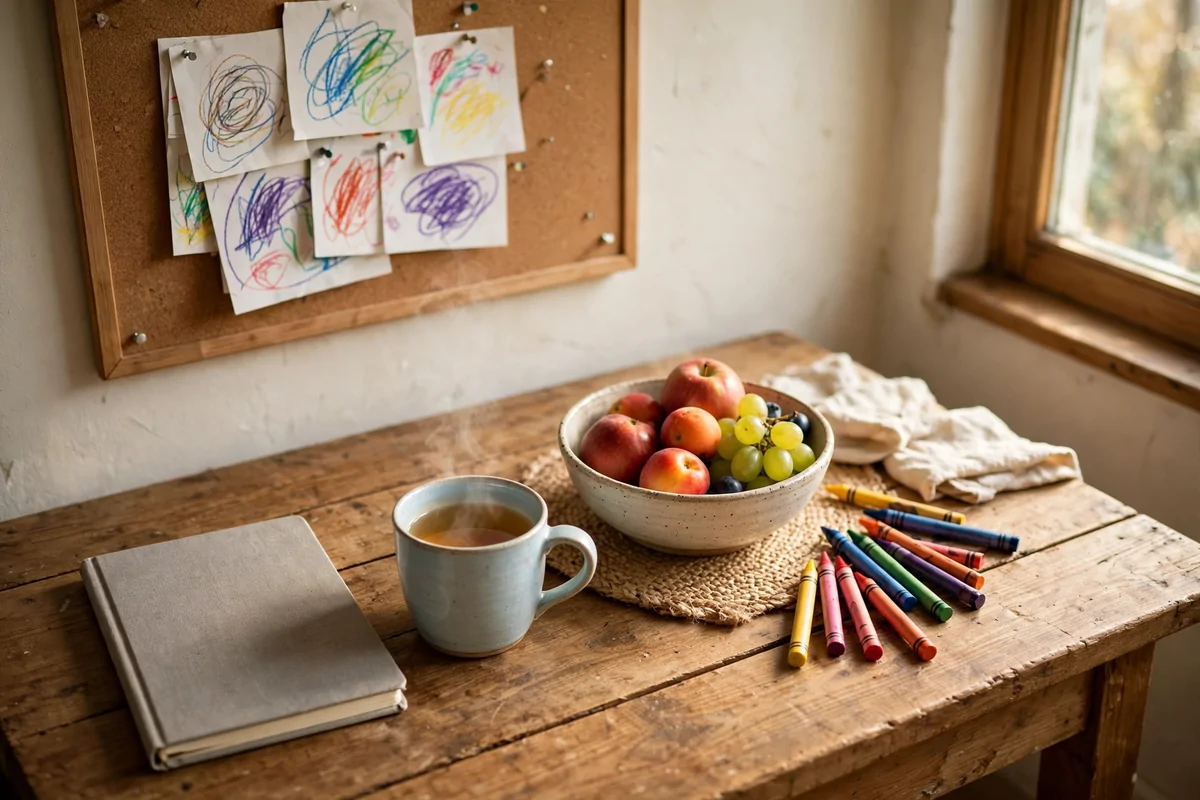
Every parent knows this feeling. You make a choice in the morning, and by dinner time you wonder if the other choice was better. There is no perfect answer in parenting. There is only the choice that fits your family today, and the courage to try again tomorrow. These 35 questions take you through the small daily choices and the big ones too, from bedtime and food to money, friends, and saying sorry. Pick your side, talk about it with your family, and see how many of your answers surprise you.
1. Would you rather have a strict bedtime every night or a flexible bedtime that changes daily?
Would you rather...
A strict bedtime makes the day simple. Your child knows what comes next, the evening has a calm rhythm, and mornings start on time. But life is not always neat. A family visit, a late dinner, or a child who is simply not sleepy can turn a strict rule into a nightly battle.
A flexible bedtime bends with real life. Some nights your child sleeps early, some nights a little later, and nobody fights about the clock. The risk is that bedtime slowly drifts later and later, and tired mornings become the new normal.
- A strict bedtime builds a strong daily habit.
- A flexible bedtime keeps evenings peaceful on busy days.
- The best choice may change as your child grows.
2. Would you rather cook every meal at home or use ready meals on busy days?
Would you rather...
Home cooking gives you full control. You choose the ingredients, you keep the food fresh, and the kitchen smells wonderful. Many parents also love that cooking together becomes a quiet family moment. The hard part is time. After a long day, standing at the stove can feel like a second job.
Ready meals save that time and lower the stress on busy days. Dinner is on the table in minutes, and everyone eats. The trade is simple: less time in the kitchen, but less control over what goes into the food.
Pro Tip: Keep two or three quick home meals in your mind for busy days, like soup with bread or rice with vegetables. Then ready meals stay a backup, not a habit.
3. Would you rather have no screen time at all or one hour of screen time every day?
Would you rather...
Zero screens sounds clean and simple. Your child plays, reads, talks, and finds fun in the real world. Many parents dream of this. In real life, though, screens are everywhere, at school, at friends’ homes, and in waiting rooms. A total ban can make screens feel like a forbidden treasure.
One hour a day gives a clear limit. Your child can watch or play a little, and the rule is easy to understand. The hard part is stopping when the hour ends, because one more show is always tempting.
| Option | What You Gain | What You Give Up |
|---|---|---|
| No screen time at all | More play, reading, and real talk every day | Screens feel special and tempting, and the rule is hard to keep outside the home |
| One hour of screen time every day | A clear limit your child can understand and follow | You must hold the line when the hour ends |
4. Would you rather set strict rules with clear punishments or talk gently and explain every rule?
Would you rather...
Strict rules are clear. Your child knows exactly what happens if a rule is broken, and that clarity can bring order to a busy home. But rules without talk can feel cold. A child may obey out of fear, not out of understanding.
Gentle talk builds trust. When you explain why a rule matters, your child learns to think, not just to obey. The slow part is time. A calm talk takes much longer than a quick punishment, and some days you are too tired for a long talk.
Things to think about:
- Does your child follow rules when you are not in the room?
- Do your rules teach the reason, or only the fear?
- Can you stay calm and kind even on a hard day?
5. Would you rather save money for your child’s future or spend money on family experiences now?
Would you rather...
Saving for the future is a quiet gift. A small amount set aside today can help your child later with school, a first home, or a fresh start in life. It is the patient choice, and it feels wise. The cost is today. The trip, the class, or the day out that you skip will not come back.
Spending on experiences now fills your family with memories. A trip to the sea, a day in the hills, a shared meal in a new place, these moments stay in a child’s heart for years. The risk is that the future arrives with an empty savings box.
Ask yourself these simple questions:
- What will your child remember more, a saved coin or a shared day?
- Can you do a little of both, save a small amount and still enjoy today?
- Which choice lets you sleep peacefully tonight?
6. Would you rather teach your child to share everything or let your child keep some things private?
Would you rather...
Sharing everything sounds kind. A child who shares toys, food, and time learns to think of others first. Friends love a child who shares, and the home feels warm. But a child also needs a small private space, a favourite toy, a secret notebook, a quiet corner that belongs only to them.
Letting your child keep some things private teaches respect for boundaries. Your child learns that it is okay to say no, and that their feelings matter. The worry is that a child who holds back too much may find sharing hard later. Most families find the middle road works best: share often, but keep a few special things just for you.
7. Would you rather help with homework every evening or let your child solve homework alone?
Would you rather...
Sitting with your child each evening feels caring. You see where they struggle, you catch small mistakes early, and homework time becomes a warm moment together. But if you always sit beside them, your child may wait for help instead of trying first.
Letting your child work alone builds strength. They learn to try, to fail, to try again, and to feel proud of their own work. The hard part is watching them struggle and not jumping in too soon. A good middle path is simple: let them try alone first, then sit down together to check the hard parts.
- Homework help works best when your child tries first.
- Praise the effort, not only the right answer.
- A short calm check beats a long tired argument.
8. Would you rather take one big family trip each year or take many small trips through the year?
Would you rather...
One big trip feels like a dream. You plan for months, you save, and then you go somewhere special for a whole week. The memories are deep, and the whole family counts the days together. The wait is long, though, and if the trip goes wrong, the whole year feels wasted.
Many small trips keep joy close all year. A day at the lake, a weekend in a nearby town, a picnic in the hills, small joys add up fast. Each trip is short and simple, but the year is full of little adventures to look forward to.
Important Note: The best trip is not the most expensive one. Children often remember the small moments best, like a shared meal, a funny walk, or a sunset watched together.
9. Would you rather teach your child one home language or teach your child two languages at home?
Would you rather...
One home language keeps things simple and clear. Your child speaks it well, reads it well, and never mixes words. School is easier, and talks at home flow without effort. The trade is that a second language, if it ever comes, must be learned later, when it feels harder.
Two languages at home open two worlds. Your child can talk with more family, read more books, and think in two ways. Young minds pick up sounds fast, and the early years are the easiest time to learn. The challenge is patience. Your child may mix words, speak slower at first, and need more time before both languages feel strong.
10. Would you rather say no to sweets almost always or allow sweets in small amounts?
Would you rather...
Saying no to sweets almost always protects health and teeth, and it keeps the rule simple: sweets are rare, so there is nothing to argue about. But a total ban can make sweets feel like treasure. At a party or a friend’s home, your child may eat far too much of the thing that is always forbidden at home.
Small amounts teach balance. Your child learns that a little sweet after a meal is normal, not a big event. The rule needs care, though. Small can slowly grow into more, and someone must watch the amount every day.
- A little sweet after lunch feels normal, not special.
- Keep sweets out of sight so they are not a daily temptation.
- Let your child choose the treat sometimes, so they learn to choose wisely.
11. Would you rather let your child play outside all day or fill the day with planned activities?
Would you rather...
Free play outside is a gift. Your child climbs, runs, builds, imagines, and learns to solve small problems alone. Fresh air and sunshine do the rest. The only worry is safety and weather, and some days the open hours feel long.
Planned activities give the day shape. A class, a sport, a lesson, each hour has a purpose, and your child learns new skills. But a full calendar leaves no room for boredom, and boredom is where the best ideas often begin. A child who is always busy may never learn to make their own fun.
12. Would you rather read a bedtime story every night or let your child read alone in bed?
Would you rather...
Reading together every night is one of the warmest memories a child can carry. Your voice, the quiet room, the shared story, it all builds love for books and love for you. The only cost is your evening time, and on tired nights the story feels long.
Letting your child read alone builds a habit that lasts a lifetime. Your child chooses the book, turns the pages at their own speed, and learns to love reading for its own sake. The risk is that on some nights the book stays closed and sleep comes first, which is also fine.
Things to think about:
- Does your child ask for one more page, or close the book quickly?
- Can you read together on some nights and let them read alone on others?
- What matters more, the story or the quiet time together?
13. Would you rather throw a big birthday party every year or keep birthdays small and simple?
Would you rather...
A big party feels like a celebration. Friends, games, cake, and laughter fill the house, and your child feels like the centre of the world for one day. It takes money, time, and a lot of planning, and the day can pass in a rush of noise.
A small birthday feels warm and close. A cake at home, a few favourite people, a quiet walk or a special meal, your child still feels loved, and the day stays calm. Some children love the big crowd, and some love the quiet day. Watch what your child enjoys, not what others expect.
Warning: A big party can turn into a race to impress others. If the planning brings more stress than joy, the party is too big.
14. Would you rather give pocket money every week or let your child earn money for chores?
Would you rather...
Weekly pocket money teaches planning. Your child gets a small fixed amount, learns to wait, to save, and to choose. If they spend it all on Monday, the rest of the week teaches the lesson gently. The amount is steady, so the lesson is steady too.
Earning money for chores teaches a different lesson: work brings reward. Your child links effort to money, and that link is honest and clear. The risk is that your child may start to ask for money for every small job, even the ones a family should share for free.
| Option | What You Gain | What You Give Up |
|---|---|---|
| Give pocket money every week | Your child learns to plan, wait, and save | Money comes without work, so effort feels less connected |
| Let your child earn money for chores | Your child sees that honest work brings reward | Your child may expect pay for every family job |
15. Would you rather choose your child’s clothes yourself or let your child choose their own clothes?
Would you rather...
Choosing clothes yourself is fast and neat. The colours match, the clothes fit the weather, and mornings run on time. It is the easy choice on a busy school morning. The cost is small but real: your child never learns to choose, and mornings can turn into a quiet battle of wills.
Letting your child choose builds confidence. They pick the bright shirt, the odd socks, the favourite colour, and they walk out proud. The clothes may not match, and mornings may take longer, but your child learns that their choices matter. A simple trick helps: offer two good options and let your child pick one.
16. Would you rather eat dinner together every single night or let everyone eat when they feel hungry?
Would you rather...
Dinner together every night is a family anchor. Everyone sits, talks, shares the day, and the table becomes the heart of the home. It is a habit that holds a family close through busy years. The hard part is the clock. Work, classes, and late days can make one shared time feel impossible.
Eating when hungry is flexible and calm. Nobody waits, nobody eats cold food, and nobody rushes. But the table slowly loses its magic. Days pass with little shared talk, and the family drifts into separate corners.
- Even three shared dinners a week can hold a family together.
- Put phones away at the table, even for ten minutes.
- The talk matters more than the food.
17. Would you rather sign your child up for many activities or let your child focus on one activity only?
Would you rather...
Many activities open many doors. Your child tries a sport, a class, a craft, and finds what they love by tasting it all. The week is full, and every day brings something new. The risk is tiredness. A child who runs from one class to another may enjoy nothing deeply.
One activity builds depth. Your child practises, improves, and feels the pride of slow progress. A single passion can shape character and teach patience. But if that one activity turns sour, your child is left with nothing else to enjoy.
18. Would you rather answer every why question right away or let your child find the answers alone?
Would you rather...
Answering right away feels kind and quick. Your child asks, you answer, and the curiosity stays alive. A parent who answers builds trust, and the child learns that questions are welcome. The only loss is the joy of discovery. Some answers are sweeter when found alone.
Letting your child find answers builds a thinking mind. They look in a book, they try, they ask a teacher, they test an idea. That search teaches more than the answer itself. The risk is frustration. A child who never gets help may stop asking altogether.
Pro Tip: Try answering with a question first, like “What do you think?” Then help your child find the rest. Curiosity grows when it is fed, not finished.
19. Would you rather keep the same bedtime on weekends too or let weekends have no bedtime rules?
Would you rather...
The same bedtime every day keeps the body clock steady. Your child sleeps well, wakes well, and Monday morning is not a shock. It is the calm, healthy choice, and doctors often praise it. The cost is fun. Weekend nights lose their magic when the clock rules them too.
Free weekends feel like a reward. A late board game, a long talk, a sleepy morning, these small freedoms make the weekend feel special. But Monday arrives hard. A child who slept late twice may wake tired, slow, and grumpy for the whole school day.
20. Would you rather get a pet for the family or keep a home with no pets?
Would you rather...
A pet brings joy into the house. Your child learns care, kindness, and duty, feeding, walking, and cleaning up after a living friend. A pet also teaches loss one day, which is a hard but real lesson. The work is daily, and the cost never fully stops.
No pets means a clean, calm, simple home. No fur on the sofa, no early walks, no vet bills. Your child still learns kindness in other ways, through plants, through helping neighbours, through caring for people. The home stays light, but it misses the warm welcome of a pet at the door.
- A pet teaches daily duty better than any lesson.
- Start small if you are unsure, and let your child help with the care.
- Make sure someone in the family truly has time for the pet.
21. Would you rather help your child make new friends or let your child make friends on their own?
Would you rather...
Helping your child make friends feels natural. You arrange play dates, invite families over, and gently open doors. A shy child blooms faster with a little help, and you can see who your child spends time with. The risk is that your child leans on you too much and never learns to start a friendship alone.
Letting your child make friends alone builds social courage. They learn to say hello, to join a game, to handle a no, and to try again. That courage lasts a lifetime. The hard part is watching your child struggle and doing nothing, even when your heart wants to help.
| Option | What You Gain | What You Give Up |
|---|---|---|
| Help your child make new friends | A shy child finds friends faster, with gentle support | Your child may depend on you to start every friendship |
| Let your child make friends on their own | Real courage and social skill that lasts for life | You must watch your child struggle without stepping in |
22. Would you rather keep your child home at the first sign of illness or send your child to school with a small cold?
Would you rather...
Keeping your child home at the first sign of illness is the safe, caring choice. Rest helps the body heal, and staying home protects other children too. A day of soup, sleep, and quiet can stop a small cold from growing big. The cost is your day. Someone must stay home, and work or plans must wait.
Sending your child to school with a small cold keeps life moving. A light sniffle is common, and many children sit through the day just fine. The risk is real, though. A small cold can grow, and it can pass to classmates and teachers.
Important Note: When in doubt, choose rest. A child who rests one day often returns stronger the next, and kindness to others starts with keeping germs at home.
23. Would you rather reward good behaviour with small treats or reward good behaviour with praise only?
Would you rather...
Small treats make good behaviour feel exciting. A sticker, a small toy, a special snack, your child sees a clear reward and wants to do well again. It works fast, and it works on hard days. The worry is that your child may start doing good things only for the treat, not because the good thing matters.
Praise only builds a deeper habit. When you say, “I saw how kind you were, and I am proud,” your child learns that good behaviour feels good by itself. It costs nothing and it never runs out. The slow part is patience. Praise works quietly, and its results take time to show.
24. Would you rather teach your child to cook at a young age or wait until your child is older to cook?
Would you rather...
Teaching a young child to cook is messy and wonderful. They stir, they pour, they taste, and they feel proud of food they helped make. Early cooking builds confidence and a love for real food. The kitchen will get messy, and every step needs your eyes on it.
Waiting until your child is older is safer and calmer. An older child can handle a knife, a hot pan, and a recipe with care. The lessons come faster, and the mess is smaller. The loss is the early years, when a child is most curious and most eager to help.
A simple start for young cooks:
- Let them wash vegetables and stir cold food first.
- Give them one small safe job at a time.
- Praise the help, even when the result is messy.
25. Would you rather set strict rules for phone use or trust your child to use a phone wisely?
Would you rather...
Strict phone rules give clear borders. No phone at meals, no phone after bedtime, a set time each day. Your child knows the line, and you can hold it. The trouble is that a phone is also a tool, for learning, for family calls, for safety, and a hard ban can feel unfair.
Trusting your child builds responsibility. When you say, “I trust you to use this well,” your child feels respected and often rises to meet that trust. The risk is real. A phone holds endless games and videos, and even a wise child can drift.
Things to think about:
- Is your child ready for a phone, or is it too soon?
- Do the rules cover nights and meals, the two most important times?
- Can you talk openly when something goes wrong online?
26. Would you rather write the family rules on the wall or keep the family rules as spoken words only?
Would you rather...
Rules on the wall are clear for everyone. Your child can see them, read them, and remember them. A written rule feels fair because it is the same for all, and it stops the daily argument about what the rule was. The wall can feel stiff, though, like a list of orders in a warm home.
Spoken rules feel natural and human. They live in talk, in reminders, in the way a family speaks to each other. They bend a little when life bends. But spoken words fade. A child may forget, or remember the rule differently, and then the argument starts again.
27. Would you rather let your child share a bedroom or give your child a bedroom of their own?
Would you rather...
Sharing a bedroom builds a bond that lasts for life. Siblings whisper at night, share secrets, comfort each other, and learn to live with another person. The room is never lonely. The cost is sleep and space. One child reads late, the other wakes early, and the room feels small.
A room of their own gives peace and privacy. Your child can read, draw, rest, and think without noise. It is a small kingdom of their own. The loss is the quiet bond of shared nights, and the home needs the extra space.
- Shared rooms teach patience and kindness every day.
- A private room helps a child rest and focus.
- The right choice often depends on the size of your home.
28. Would you rather teach your child to save every coin or let your child spend money freely?
Would you rather...
Teaching your child to save every coin builds a strong habit early. A small jar fills slowly, and the day your child buys something with saved money is a proud day. Saving teaches patience, planning, and the value of work. The risk is that saving becomes fear, and your child never enjoys a small treat.
Letting your child spend freely teaches choice. Your child buys, enjoys, and learns from the result. A toy that breaks teaches more than a lecture. But free spending has a cost. Money runs out fast, and the lesson can turn into tears.
| Option | What You Gain | What You Give Up |
|---|---|---|
| Teach your child to save every coin | Patience, planning, and pride in buying with saved money | Your child may feel afraid to enjoy a small treat |
| Let your child spend money freely | Real lessons from real choices, good and bad | Money runs out fast, and the lesson can hurt |
29. Would you rather wake your child early every morning or let your child sleep in every morning?
Would you rather...
Waking early sets a strong rhythm. Mornings are calm, breakfast is slow, and the day starts without rush. Early risers often feel fresh and ready, and the habit helps through school years. The hard part is the evening. An early morning needs an early night, and late family nights must end.
Letting your child sleep in feels kind. Sleep is precious, and a rested child learns better and smiles more. Slow mornings have their own peace. The trouble comes at the clock. A late morning means a rushed breakfast, a quick goodbye, and a day that starts behind.
30. Would you rather say no to almost every toy request or say yes to a toy request sometimes?
Would you rather...
Saying no almost always keeps the home simple. Fewer toys means less clutter, less waste, and more value in the toys your child already has. Your child learns that not every want becomes a need. The cost is the sad face at the shop window, and the feeling that fun always waits.
Saying yes sometimes keeps joy alive. A small toy on a special day, a reward for a hard week, a surprise that lights up the eyes, these moments matter. The risk is that yes becomes the habit, and the next request follows the last one too quickly.
Pro Tip: Try a wish list. When your child asks for a toy, write it on the list together. If they still want it after a few weeks, it is a real wish, not a passing one.
31. Would you rather encourage your child to learn drawing or encourage your child to learn a sport?
Would you rather...
Drawing opens the mind. Your child learns patience, focus, and the joy of making something beautiful with their own hands. A picture drawn slowly becomes a gift that lasts a lifetime, and quiet practice builds a steady hand. The cost is time and mess, and progress can feel slow.
Sport builds the body and the spirit. Your child runs, plays, learns teamwork, and grows strong. A sport teaches how to win with grace and lose with courage. The risk is injury and pressure, and some children feel pushed when they only want to play.
32. Would you rather keep every drawing your child makes or throw away old drawings to save space?
Would you rather...
Keeping every drawing feels like keeping childhood itself. Each paper holds a day, a mood, a small story, and one day your child will smile at the pile and see how far they have come. The problem is space. Drawings grow faster than shelves, and the pile can take over the house.
Throwing away old drawings keeps the home tidy and teaches a gentle lesson: not everything must be kept to be loved. You can keep the best few, take a photo of the rest, and let the paper go. The risk is the tear in your child’s eyes when a favourite drawing disappears.
- Keep the best drawings in one special box or folder.
- Take a photo of the rest before letting them go.
- Let your child choose which ones to keep.
33. Would you rather spend holidays at home with family or travel far away for every holiday?
Would you rather...
Holidays at home are warm, cheap, and calm. No packing, no long travel, no tired children in strange beds. The days fill with family meals, games, visits, and slow mornings. The risk is that home starts to feel the same, and the holiday blends into any other week.
Travelling far away makes every holiday an adventure. New places, new food, new faces, your child sees the world grow bigger with each trip. The memories are bright and strong. The cost is money and tiredness, and a long journey with small children can test any parent.
Warning: A holiday that leaves the family more tired than before was too full. Leave empty hours in every trip, so rest and play have room to breathe.
34. Would you rather ask your child to help with housework daily or keep housework for weekends only?
Would you rather...
Daily help builds a real habit. A small job each day, setting the table, tidying toys, feeding a pet, teaches your child that a home is shared work. The jobs stay small, and the habit grows strong. The hard part is patience. A child works slowly, and some days you would finish faster alone.
Weekend housework keeps school days free. Your child focuses on school and play during the week, and the family cleans together on Saturday. It feels fair and simple. But a whole week of mess can pile up, and one big cleaning day can feel like a punishment.
35. Would you rather say sorry to your child when you are wrong or never say sorry to your child?
Would you rather...
Saying sorry when you are wrong is one of the bravest things a parent can do. It shows your child that grown people make mistakes, that honesty matters more than pride, and that sorry is a strong word, not a weak one. A child who hears sorry learns to say sorry too.
Never saying sorry may feel like strength. Some parents fear that sorry will weaken their word, or that a child will lose respect. But a home without sorry can feel cold. A child who never hears it may grow up thinking that sorry is shameful, when it is really one of the kindest words we have.
There is no perfect parent, only a parent who keeps trying. Every choice in this list is a chance to learn about your child, and about yourself. Talk about these questions at the dinner table, on a walk, or before bed, and let the answers start good talks. The best choice is the one made with love, patience, and a little honesty.
More Would You Rather Questions
- 14 Working Parent Would You Rather Questions About Balancing Life
- 13 Stay-at-Home Parent Would You Rather Questions About Daily Life
- 15 Dad Would You Rather Questions for Fathers and Families
- 20 Mom Would You Rather Questions That Every Mother Will Understand
- 10 Fatherhood Would You Rather Questions That Test Every Dad
- 39 Motherhood Would You Rather Questions About Everyday Parenting
- 33 First-Time Parent Would You Rather Questions With Tough Choices
- 37 In-Law Would You Rather Questions That Get Awkward Fast
- 29 Extended Family Would You Rather Questions for Big Gatherings
- 31 Grandfather Would You Rather Questions for Family Conversations