How To Reduce Screen Time Without Feeling Bored
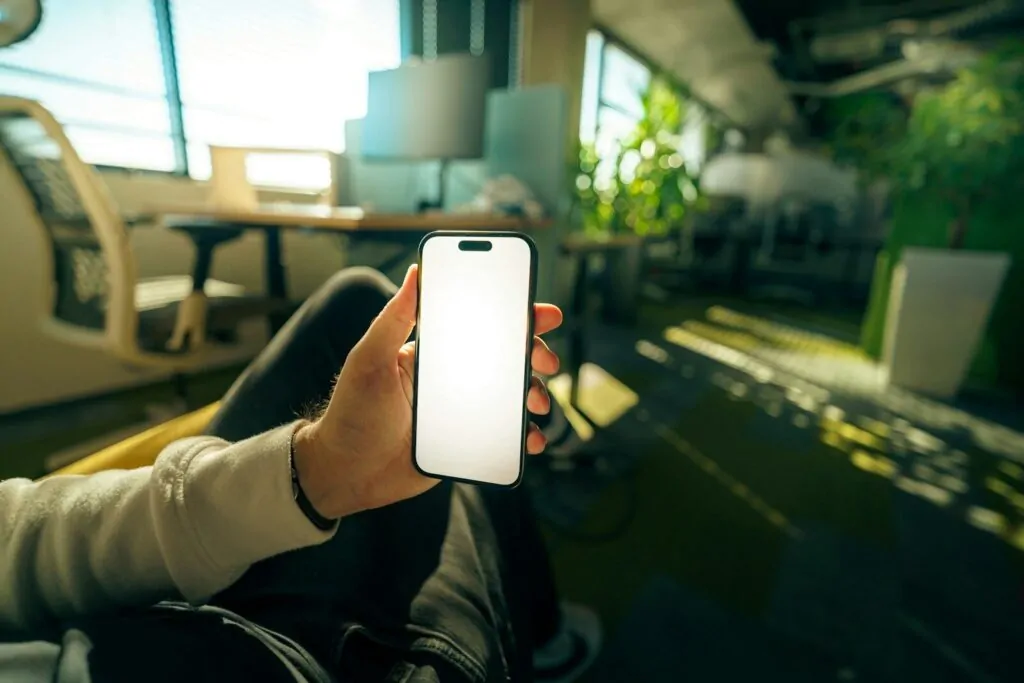
When you pick up your phone for the fourth time in one hour and you have not even done a thing on it. You just… look. You scroll a bit. You close the app. Then open it again. Not out of need. Just out of habit. That loop is more common than most people want to say out loud.
The funny thing is, it is not that screens are bad. Most people know that.
The problem is that screens have become the thing we reach for when we do not know what else to reach for.
And when we try to stop, boredom shows up fast, heavy, and a little unbearable. So we go back. Every time.
But here is the part that does not get talked about enough. The boredom is not proof that you need your screen.
It is proof that you have not yet built anything to put in its place. That shift in how you read the feeling changes what you do next.
Why Screens Feel So Hard to Put Down
Most people frame this as a willpower problem. They think they just need more discipline. But the science tells a different story, and it is one worth sitting with.
Every time you get a like, a reply, a new notification, your brain releases a small hit of dopamine.
That is the same chemical that shows up when you eat something good or hear from someone you care about. The brain does not know the difference between a text and a real hug. It just knows it got a reward. And it wants another one.
Psychologist B.J. Fogg, who spent decades at Stanford studying tiny behaviors, found that humans do not resist habits through force. They change them by redesigning their environment and lowering the effort required for better options. The phone is always there. It is charged. It is in your hand. The barrier to using it is basically zero.
Meanwhile, the better option, reading a book, going for a walk, calling a friend, requires a little more effort to start.
And that gap in effort is where most good intentions go to die.
- Dopamine loops make scrolling feel like a reward even when nothing real happens
- The phone is designed to be low-effort, which gives it a built-in edge over other habits
- Willpower alone does not fix this because the brain is not wired for sustained resistance
- Environmental design matters more than motivation in the long run
What Boredom Is Really Telling You
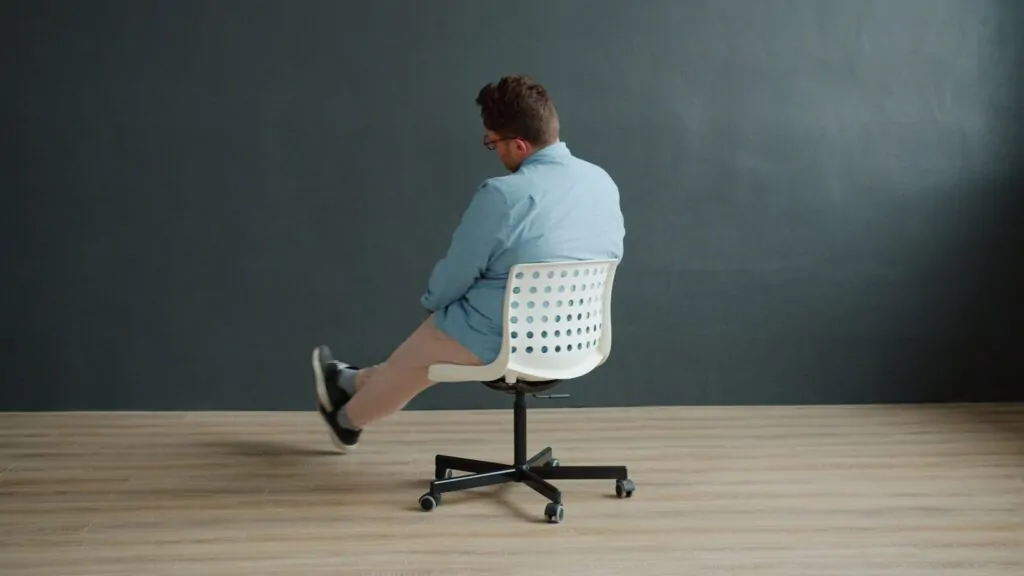
Boredom is not the enemy. It just feels like one.
Cal Newport, who wrote about deep work and digital minimalism, made an observation that stuck with many readers.
He said that the ability to tolerate boredom is one of the most underrated skills a person can have.
Not because suffering is good, but because boredom is the threshold before creativity, rest, and genuine thought. Most people never cross that threshold. They reach for their phone the second discomfort shows up.
The discomfort is real. When someone pulls back from heavy screen use, especially social media, the first few days can feel genuinely restless.
Almost itchy. The mind keeps reaching for something. That is not weakness. That is the brain adjusting to lower stimulation. It happens to everyone.
What boredom is often pointing to is unmet need. Sometimes it is rest. Sometimes it is connection. Sometimes it is the desire to create something or feel useful. The phone addresses none of those needs fully.
It just gives the illusion of relief, which is why the same person opens it again two minutes later still feeling vaguely empty.
Once you start asking “what do I actually need right now” instead of just picking up the phone, the answers get more interesting. And the solutions start to feel more satisfying.
- Boredom is not a problem to fix. It is a signal to read
- The restless feeling after cutting screen time is temporary. It passes
- Most phone habits are covering up a need that is not being properly met
- Asking what you need gives a more useful answer than any scroll session ever will
- Sitting in boredom for even five minutes can open up thoughts that got buried under the noise
How to Start Cutting Screen Time Without Going Cold Turkey
The all-or-nothing approach rarely holds. People decide they will not look at their phone before noon and by 9am they have already failed and given up for the day.
That kind of rigid plan does not match how real change works.
Small shifts done with intention beat dramatic overhauls done with guilt every single time.
One of the most practical places to start is with the first fifteen minutes of your morning. Most people check their phone within moments of waking up. Before coffee. Before they have even fully opened their eyes. What that does is hand the first thought of the day over to whatever the internet decides to show.
Emails from someone annoyed at you. Headlines designed to make you anxious. A post from someone’s life that makes yours feel smaller. And the day starts there.
Protecting that first window does not take much. Leave the phone in another room overnight. Use a physical alarm clock.
Those two changes alone shift the quality of the morning in a way that feels almost strange at first, and then becomes something worth protecting.
After the morning, look at where your heaviest usage clusters.
For most people it is after lunch, before bed, or during moments of transition like waiting, commuting, or sitting in a quiet room. Those transition moments are where the phone habit is strongest. And they are also the easiest places to introduce a small replacement.
- Start with one protected window per day rather than a full digital detox
- The morning routine is the highest-leverage place to make the first change
- A physical alarm clock removes one of the main reasons the phone stays in the bedroom
- Identify your top two or three heavy-use time slots. That is where the habit lives
- Small, specific changes stick better than broad rules that feel impossible by noon
Real Things to Do Instead of Scrolling
This is where most advice fails people. The list usually looks like: read more, go outside, journal, meditate. And those are fine suggestions but they are also vague enough to be useless when you are standing in the kitchen at 9pm feeling restless and reaching for your phone.
The replacement has to be ready. Not planned for someday. Ready right now.
What works is building what some habit researchers call a “menu of alternatives.” Not a list of ambitious activities but a short list of things you can actually do in two to ten minutes with zero preparation.
For some people that is a short walk around the block. For others it is a sketchbook left open on the table. For others it is a puzzle they leave out, or a guitar they keep visible, or a book they are genuinely enjoying rather than one they feel they should read.
The key detail is visibility. If the alternative requires you to go find it, set it up, and remember where you put it, it will almost never win against the phone that is already in your hand. The phone wins on convenience. Your alternatives have to compete on convenience too.
Social connection is worth naming here because screens often get justified as the way we stay close to people.
And that is partly true. But a five-minute real phone call is almost always more satisfying than thirty minutes of reading someone’s posts without talking to them. Choosing to call rather than scroll through someone’s profile is a small shift with an outsized emotional payoff.
- Build a short “ready now” menu of two to four things you can do without any setup
- Visibility matters. If it is out and easy to reach, you will use it
- A genuine phone call gives more connection than passive social media use
- Leave one physical activity in the most tempting spot where you usually scroll
- The best replacement is the one you will actually do, not the one that sounds impressive
How Parents Can Reduce Screen Time for the Whole Family

Screen time in a home with kids is a layered problem because children learn from what they see more than from what they are told. A parent who tells a child to put the phone down while holding their own phone has already lost that conversation before it started.
The most effective shift families make is not a rule. It is a shared ritual.
Meals without phones. One evening a week with a board game or a walk. A shared reading time before bed.
These are not punishments. They are anchors, predictable moments that the family comes back to.
Kids especially thrive with that kind of predictable structure. They may resist at first because the phone is exciting and board games feel slow. But over weeks, those rituals become the thing they look forward to.
For younger children, the research is fairly consistent. Screen time before age five has measurable effects on attention and language development.
Not because screens are toxic but because the time spent on screens is time not spent on face-to-face interaction, play, and movement, all of which the developing brain needs in heavy doses.
For older kids and teens, the conversation is more nuanced. Banning everything tends to backfire. What works better is building media literacy, helping them ask why they feel the urge to check, what they are looking for, whether they found it. That is a skill worth more than any screen rule.
- Children mirror adult behavior, not adult instructions
- Shared rituals, not punishments, create lasting change in family screen habits
- Early childhood screen limits protect attention and language development
- Teens respond better to guided reflection than hard bans
- A phone-free meal shared daily builds more than just a screen habit. It builds connection
What Happens to Your Mind When You Use Screens Less
The changes people notice when they step back from heavy screen use are not always what they expect.
Sleep is usually the first thing that improves. The blue light from screens suppresses melatonin, which is the hormone that tells the body it is time to sleep. Beyond the light, the content itself keeps the brain alert and activated.
Stopping screen use an hour before bed, which sounds simple and is harder than it sounds, tends to improve both the time it takes to fall asleep and the depth of sleep itself. After a few weeks of that, most people report feeling rested in a way they had forgotten was possible.
Attention is the second thing that shifts. Screens, particularly social media and short video, train the brain to expect constant novelty. Every few seconds something new appears. Over time, tasks that do not change quickly start to feel unbearably slow. Reading feels hard. Conversations feel slow.
Work that requires sustained focus starts to feel almost physically uncomfortable. When screen use drops, that tolerance for slower experience slowly rebuilds. It takes time, measured in weeks not days. But it comes back.
There is also something quieter that happens. A kind of mental space that opens up. The background noise that most heavy screen users do not notice until it is gone. Thoughts start finishing themselves.
Creative ideas show up during walks or showers. Problems that felt stuck start to resolve on their own. That is not magic. That is just what happens when the brain is given room to process instead of being constantly fed new input.
- Sleep improves within days of reducing late-night screen use
- Attention span rebuilds gradually over weeks, not overnight
- The brain needs idle time to process, create, and solve problems
- The mental space that opens up after stepping back from screens surprises most people
- Sustained focus, the kind that makes deep work possible, returns with practice
Habits That Make Low Screen Time Feel Normal Over Time
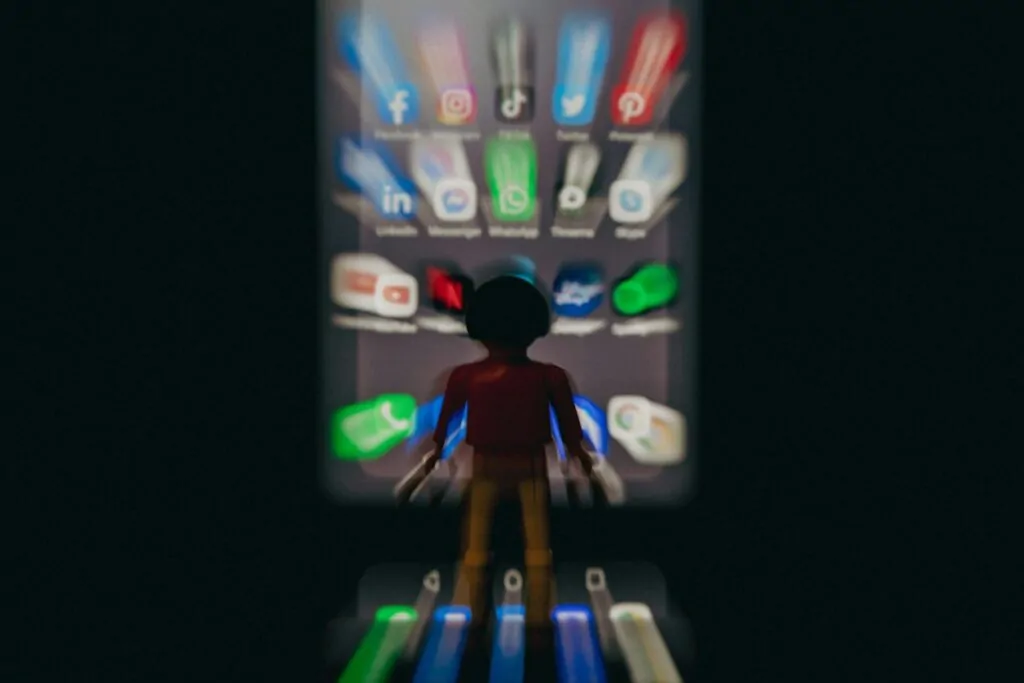
The goal is not a weekend digital detox followed by a return to old patterns. That approach has the same problem as a crash diet. The short burst of discipline feels good and then the rebound happens and often things get worse, not better.
What makes reduced screen use sustainable is identity, not rules.
When someone starts to see themselves as a person who reads before bed, who goes for a walk after dinner, who calls friends instead of scrolling their feed, the behavior follows. Identity shapes habits at a much deeper level than motivation does.
Motivation is a feeling. It comes and goes. Identity is a belief about who you are. And people act in line with their beliefs.
Small rituals help anchor that identity. A morning tea or coffee without the phone. A weekly call with someone who matters.
A physical book on the nightstand instead of the charger. These are not dramatic gestures. They are quiet signals to yourself about what kind of life you are building.
Tracking can help in the early stages. Not obsessively, but enough to see the pattern. Most phones have built-in screen time tracking.
Seeing that a number has gone from five hours to three hours over a month is genuinely motivating in a calm, steady way. Not the kind of motivation that crashes. The kind that reinforces.
The hardest part is not starting. It is the Tuesday afternoon when nothing dramatic is happening and the old habit pulls hard and there is no particular reason not to just pick up the phone. That moment is where the identity either holds or bends. And it gets easier the more times it holds.
- Identity drives sustainable behavior more reliably than motivation
- Small daily rituals signal to yourself who you are becoming
- Screen time tracking is useful early on and gives real, calm feedback
- The hardest moments come on ordinary days with no dramatic reason to hold the line
- Consistency across unremarkable days is what actually builds the new normal
Key Takeaways
- Boredom after cutting screen time is not failure. It is the brain adjusting, and it passes
- The phone wins on convenience. Any real alternative has to meet it close to that standard
- Screen habits are usually covering something, rest, connection, a need to create. Finding that need is more useful than fighting the habit
- Children change when parents change. Rules without modeling rarely hold
- Sleep, attention, and a kind of mental quiet return when screen use drops. The timeline is weeks, not days
- Identity matters more than motivation. Seeing yourself as someone who lives a certain way shapes what you actually do
The Quiet Shift That Happens When You Stop Looking at a Screen
At some point, something small changes. It is not the moment you put the phone down. It is a few weeks later when you notice that you forgot to check it for two hours and you did not miss anything important.
Or when a long walk feels like enough, by itself, without needing to be documented or shared or turned into content.
The goal was never to reject technology. Technology is useful, often genuinely so. The goal was always just to be the one in charge of when and why you reach for it.
That quiet shift, from reaction to choice, is the whole thing. Everything else is just steps toward it.
As the writer and thinker Blaise Pascal once observed, all of man’s troubles stem from his inability to sit quietly in a room alone. He wrote that long before screens existed. Which says something worth sitting with for a moment.