13 Cognitive Development Activities to Boost Brain Growth in Kids

It is very important for parents and teachers to help students and children become mentally strong and support their intellectual growth, just like Albert Einstein IQ.
When a child sits with a pile of blocks and just starts to build. No plan. No goal. Just hands moving, eyes watching, and a brain doing more work in that one moment than most adults realize. That is what cognitive growth looks like in real life. It does not look like a lesson. It looks like play.
Many parents feel a low hum of worry. Is my child learning enough? Are they growing the right way? The pressure is real. But the truth that child development research keeps pointing back to is simple. The brain grows best when the body is busy, the hands are active, and the mind is free to explore. The right kind of play is not a break from learning. It is the learning.
This guide covers 14 practical, research-backed activities that support real brain development in children ages 2 to 12. Each one is grounded in how children actually grow, not how we wish they did. Some of these will surprise you. Some you are already doing without knowing it.
What Cognitive Development Actually Means for Kids?
Cognitive development is the process by which children learn to think, remember, solve problems, use language, and understand the world around them. Jean Piaget, the Swiss psychologist who spent decades watching children learn, showed us that kids are not mini adults waiting to be filled with facts. They are active builders of their own understanding.
From birth to age 12, the brain goes through a period of growth unlike any other time in life. By age 5, around 90 percent of the brain’s core structure is already formed. This does not mean learning stops after 5. Far from it. But it does mean that what happens in the early years lays the foundation for everything that comes after.
Three areas of cognitive development matter most:
- Executive function: The ability to plan, focus, follow rules, and control impulses
- Language and communication: Building vocabulary, understanding ideas, and using words to think
- Memory and processing: Holding information, connecting it to past experience, and using it to solve new problems
The 14 activities below target all three areas. Some focus on one. Most touch all of them at once.
Why Play is the Most Powerful Learning Tool
Research from Harvard’s Center on the Developing Child shows that the brain builds its strongest connections through experiences that are active, engaging, and emotionally safe. Play is all three.
The problem is that modern life sometimes treats play as the opposite of learning. Screen time goes up, free play goes down, and structured activities fill every slot in the day. But the data tells a different story. Children who have regular, unstructured play time show stronger executive function, better language skills, and more creative thinking by the time they reach school age.
This does not mean structure is bad. It means balance matters. The activities in this guide work with both. Some are free and open. Some have rules. All of them are things a child will actually want to do.
14 Cognitive Development Activities That Work
1. Puzzle Solving for Problem-Solving Skills
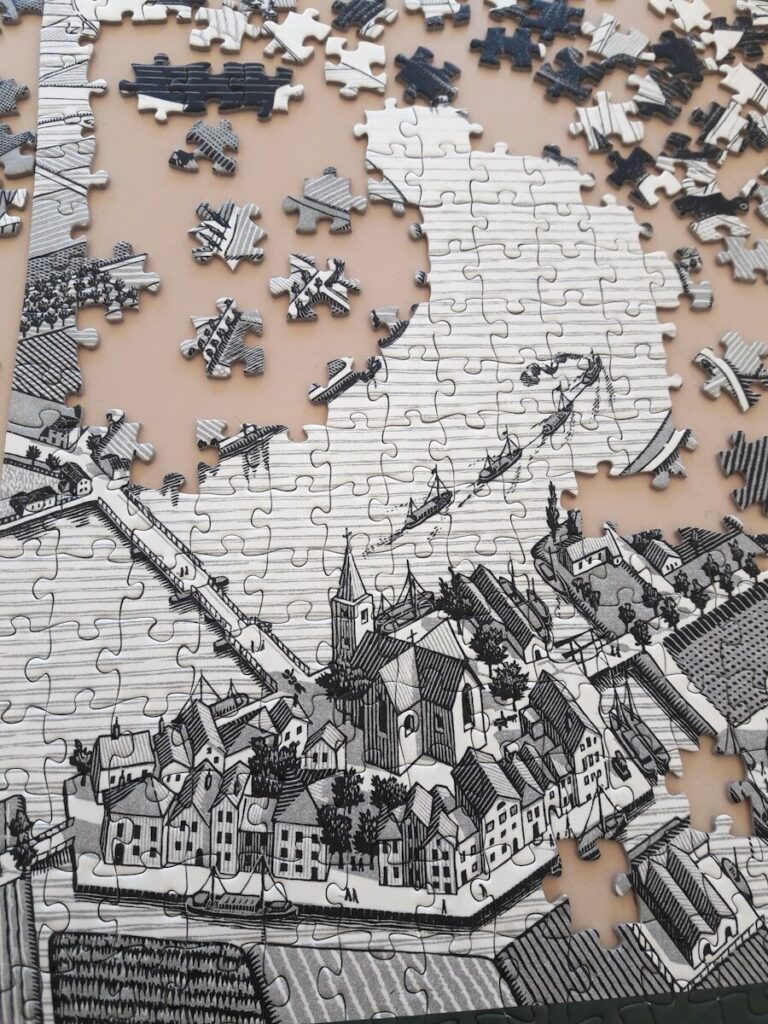
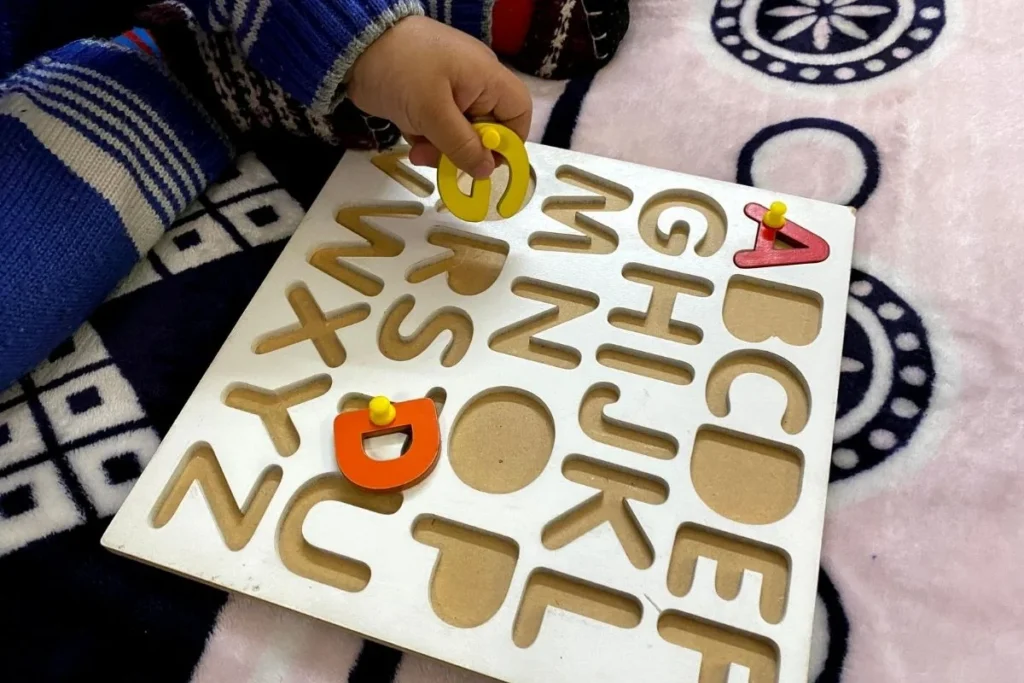
Puzzles are one of the most well-studied activities in early childhood development. They look simple. They are not.
When a child picks up a puzzle piece and tries to fit it somewhere, the brain is doing several things at once. It is using visual perception to judge shape and size. It is using spatial reasoning to rotate and imagine pieces in different positions. It is using working memory to hold a picture of the whole while focusing on one small part. And it is using persistence, a skill that transfers to almost every other area of life.
For children ages 2 to 4, start with large, simple wooden puzzles with 4 to 8 pieces. For ages 5 to 8, move to 24 to 48 pieces. By ages 9 to 12, floor puzzles with 100 or more pieces challenge the brain in deeper ways.
What makes puzzles especially valuable is that they have a clear moment of success. A child who finishes a puzzle does not need to be told they did well. They feel it. That feeling builds what psychologists call “self-efficacy,” the belief that effort leads to results.
Tips for making puzzles more effective:
- Let the child struggle a little before stepping in
- Work together on harder puzzles to model thinking out loud
- Rotate puzzle types: shapes, animals, maps, and letters all target different brain areas
- Praise the process, not just the finish: “I saw how you turned that piece around and kept trying”
Try this: 5 Optical Illusions That Only Sharp Eyes Can Solve in This Image Spot Test
2. Reading Aloud Together Every Day
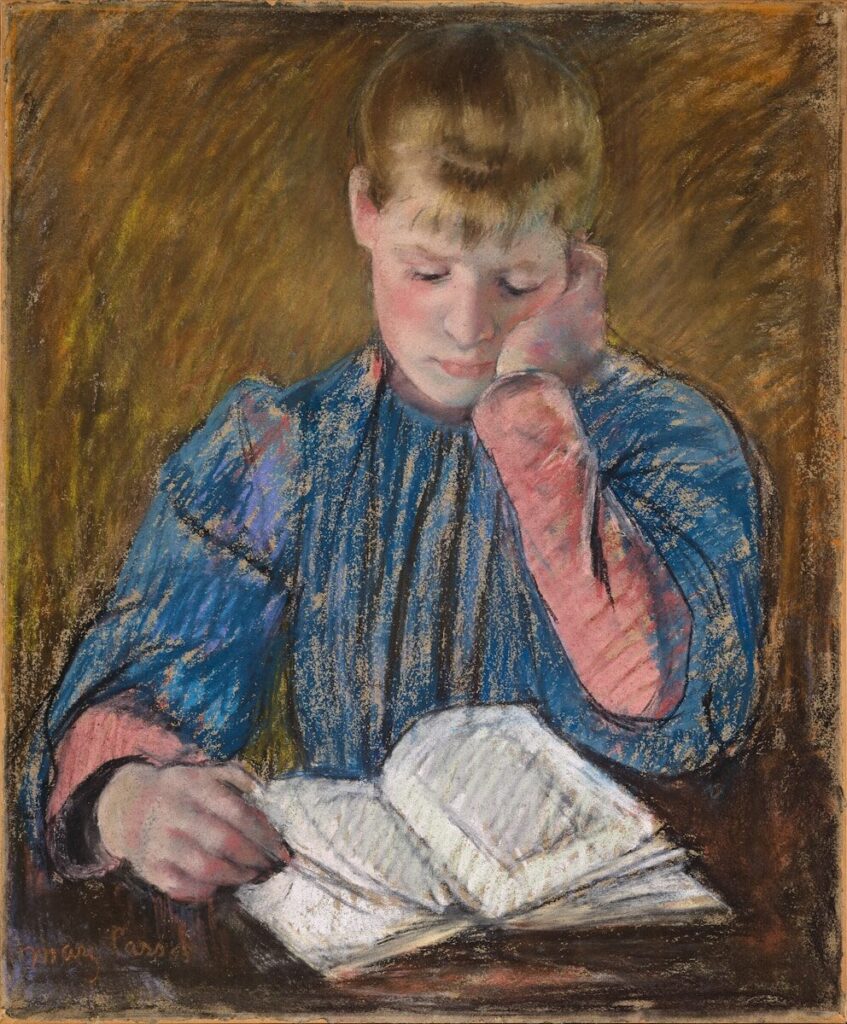
Reading to children is not just about teaching them words. The research on this is both wide and deep.
A study published in the journal Pediatrics found that children who were read to regularly from infancy had measurably more brain activity in areas linked to language, imagery, and narrative understanding. These differences showed up clearly on brain scans before children even learned to read on their own.
Reading aloud builds vocabulary at a rate that everyday conversation simply cannot match. The average children’s book contains words that never show up in spoken speech. When a child hears “enormous,” “cautious,” or “peculiar” in a story, they begin to understand not just the word but the feeling behind it.
But it is not only about words. Stories teach children how to understand other people. When a character in a book feels scared or excited or confused, the child reading along begins to practice empathy. They learn to hold another person’s experience inside their own mind. This is a cognitive skill as much as an emotional one.
Reading tips for different ages:
- Ages 2 to 4: Choose books with rhythm, repetition, and bright visuals. Point to pictures. Ask “what do you see?”
- Ages 5 to 7: Let children fill in words they know. Stop and ask “what do you think happens next?”
- Ages 8 to 12: Read chapter books together. Pause and discuss characters’ choices and feelings
The goal is not to finish the book. The goal is to stay in the story long enough for the child’s brain to do real work with it.
3. Building Blocks and Construction Play
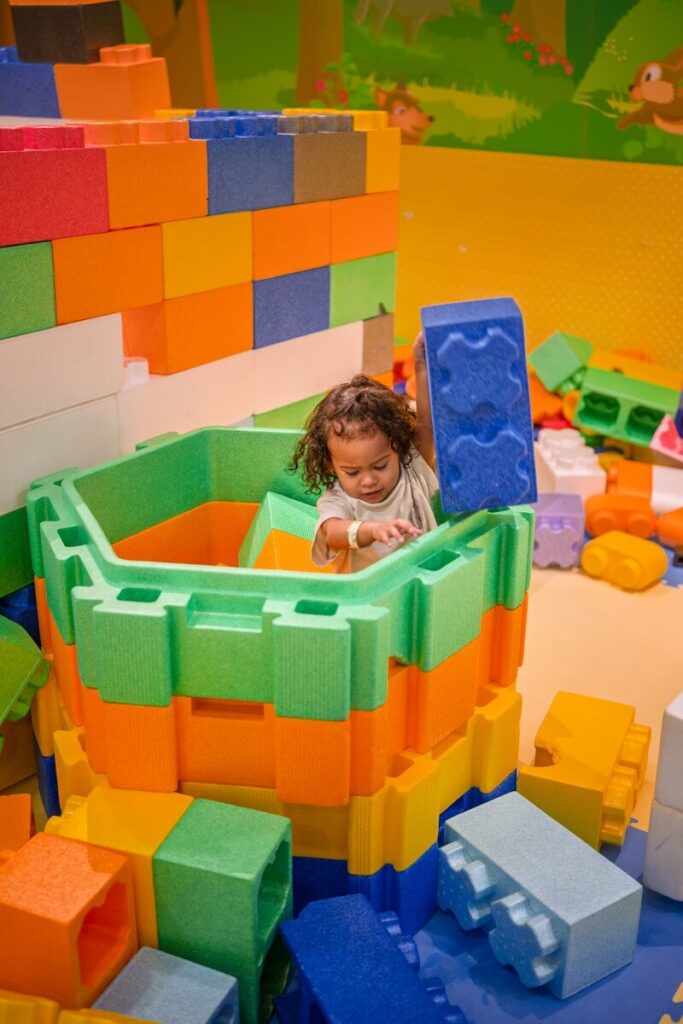
Blocks are one of the oldest toys in human history, and there is a reason they keep showing up in research as powerful developmental tools.
A 2018 study from Cardiff University found that children who played with blocks scored significantly higher on spatial reasoning tasks. Spatial reasoning, the ability to understand and mentally manipulate objects in space, is strongly linked to success in math, engineering, and science later in life.
But the benefits go beyond spatial skills. When a child builds a tower and it falls, something important happens. They have to decide what to do next. Do they rebuild the same way? Try something different? Ask for help? That small moment of failure and recovery is exactly the kind of experience the prefrontal cortex needs to develop good decision-making.
For toddlers, large soft blocks or Duplo-style pieces work best. For older children, smaller Lego sets, magnetic tiles, or wooden blocks allow for more complex structures. The key is to let children lead the building. Adults who take over the construction, even with good intentions, interrupt the most valuable part of the process.
What to do instead:
- Sit nearby and build something of your own alongside them
- Ask curious questions: “How did you decide to put that piece there?”
- Encourage them to draw what they want to build before they build it
- Build with unlikely materials: cardboard boxes, toilet rolls, clay
4. Sensory Play for Early Brain Wiring
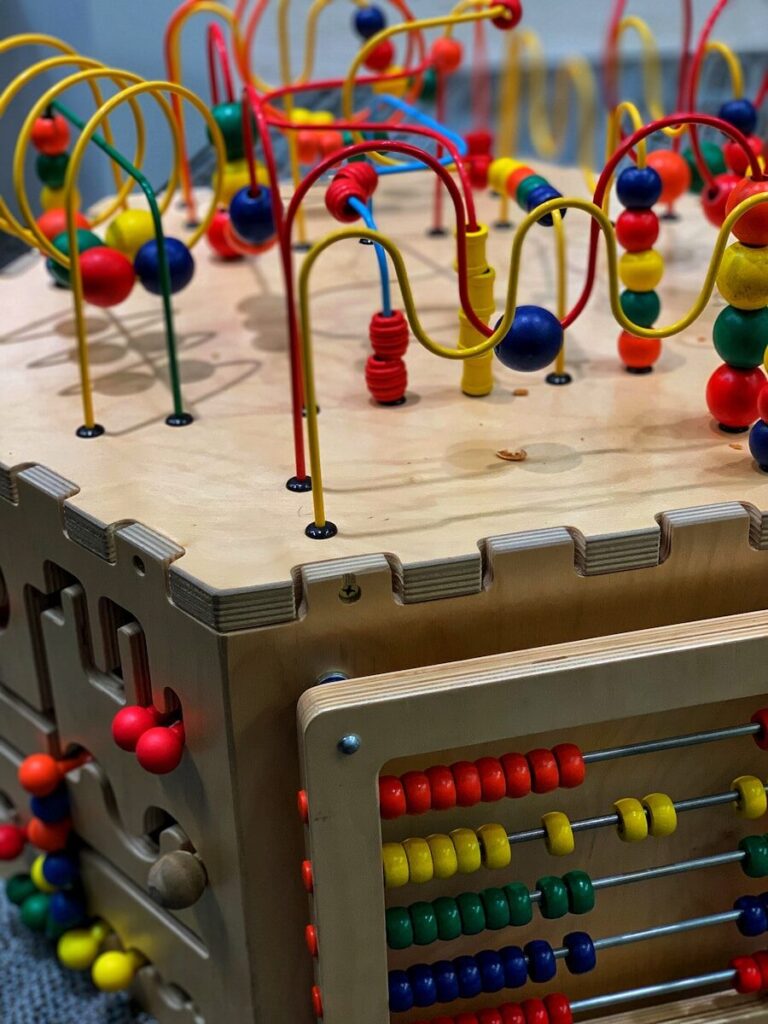
The brain does not develop in a vacuum. It develops through experience, and in the early years, most experience comes through the senses.
Sensory play, activities that stimulate touch, smell, sight, sound, and movement, creates what neurologists call “neural pathways.” These are the connections between brain cells that allow information to travel quickly and efficiently. The more varied and rich the sensory experience, the denser and stronger these pathways become.
For children under 5, sensory play is not a supplement to learning. It is the primary way learning happens. Sand, water, clay, rice bins, textured fabrics, and natural materials like leaves and mud all provide the kind of rich input the developing brain craves.
There is also a practical benefit that parents often overlook. Children who get enough sensory input tend to have better emotional regulation. The child who is given time to dig in sand or squeeze playdough often comes to the dinner table calmer and more focused than the child who has been sitting still and watching a screen.
Simple sensory play ideas:
- A bin of dry rice or pasta with cups and spoons for pouring
- A tray of shaving cream for drawing patterns with fingers
- Water play with containers of different sizes in the bath or backyard
- A “texture walk” where children touch tree bark, grass, stones, and leaves and describe what they feel
5. Memory Games That Build Working Memory
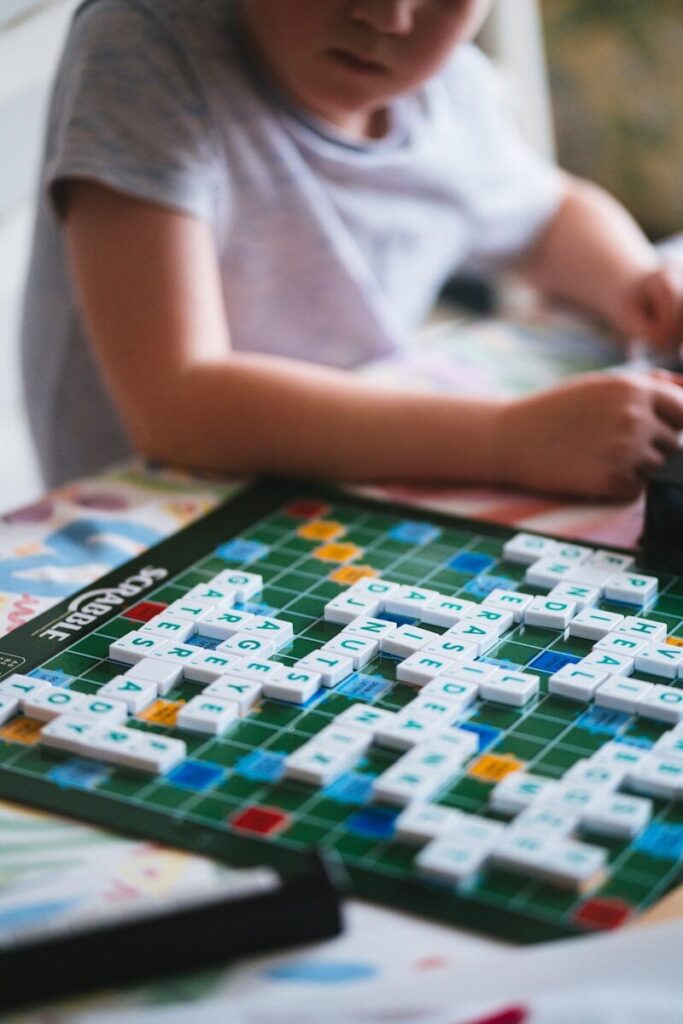
Working memory is the brain’s short-term holding space. It is what allows a child to remember the beginning of a sentence by the time they reach the end of it. It is what helps them follow a three-step instruction without forgetting step two.
Research consistently links strong working memory to better reading comprehension, math skills, and classroom behavior. And like a muscle, it responds to training.
Classic memory card games, where children flip cards face down and try to find matching pairs, are one of the simplest and most effective ways to build this skill. The child has to hold the location of cards in mind, use that information to make a match, and update their memory as new cards are revealed. That is a lot of cognitive work packed into a simple game.
Other memory-building activities include:
- “I went to the market” game: Players take turns adding items to a growing list, each repeating everything said before
- Simon Says: Requires children to hold rules in mind while responding to physical commands
- Story retelling: After reading a book, ask the child to retell it in their own words
- Sequence games: Lay out 5 objects, let the child look, then cover them and remove one. Can they name what is missing?
For older children ages 8 to 12, strategy board games like chess, checkers, or even Mastermind provide a much more complex workout for working memory and planning.
6. Art and Drawing for Creative Brain Growth
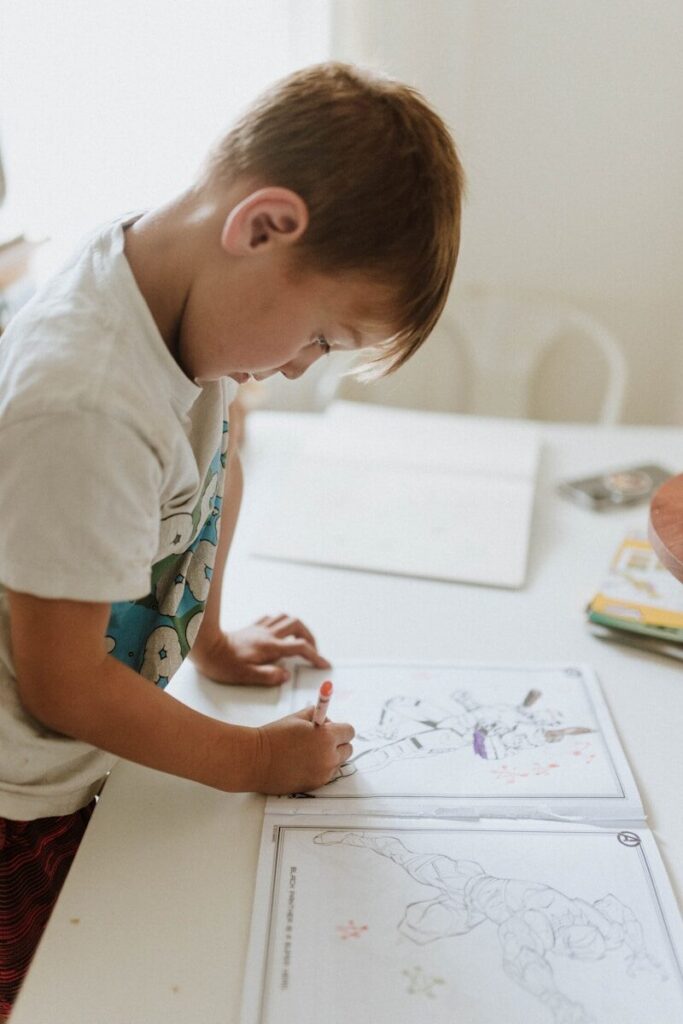
When a child draws, the brain is doing something that looks simple from the outside but is remarkably complex on the inside.
The hand follows a plan from the mind. The eye checks the hand’s work. The mind adjusts. This feedback loop between intention, execution, and evaluation is exactly the kind of thinking process that builds strong cognitive skills over time.
Art also gives children a language for feelings that words have not yet caught up with. A child who draws a storm with dark, pressing lines is processing something emotionally as well as creatively. Child development therapists have long used art as a window into how children understand their world.
From a brain development perspective, drawing and painting strengthen fine motor skills, visual-spatial reasoning, planning, and sequencing. When children work on a project across multiple sessions, such as a painting they return to over several days, they are also building sustained attention, which is one of the harder cognitive skills to develop in a distracted age.
What to provide:
- Open-ended art supplies: paint, clay, colored pencils, chalk, collage materials
- Time without prompts or instructions
- A space where mess is accepted
- Genuine curiosity about what they made, not just praise for how it looks
7. Pretend Play and Imaginative Role Play
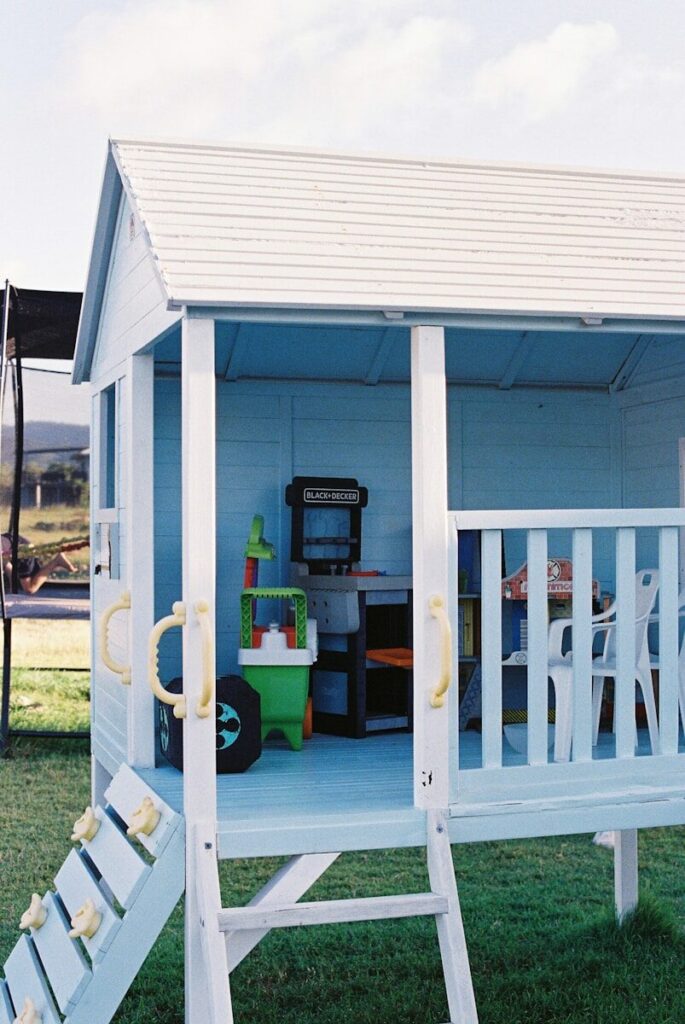
Pretend play is the activity that developmental psychologists most consistently point to when asked what gives children the strongest foundation for complex thinking.
When a child plays “shop” or acts out being a doctor or builds a pretend kitchen from cardboard boxes, several things are happening simultaneously. They are managing symbols (a block becomes a phone). They are holding a narrative in mind and adding to it in real time. They are negotiating social rules with other children. And they are practicing emotional perspective-taking, imagining what another person feels and needs.
Lev Vygotsky, one of the most influential developmental psychologists of the 20th century, argued that imaginative play is where children operate at the very top of their cognitive potential. He called it the “leading edge of development.” Children do things in play they cannot yet do in real life.
This is why reducing pretend play time in favor of academic drilling, especially in children under 7, tends to produce the opposite of the intended result. The children who spend more time in free imaginative play often arrive at formal learning tasks with stronger focus, better language, and more flexible thinking.
Ways to support pretend play:
- Provide open-ended props: fabric, boxes, hats, old kitchen tools
- Step back and let the narrative develop without adult direction
- When invited to join, follow the child’s lead rather than shaping the story
- Resist the urge to make it “educational” by adding spelling or math into the play
8. Nature Exploration and Outdoor Learning

Something happens to a child’s brain in an outdoor natural setting that does not happen indoors.
Research from the University of Michigan showed that just 20 minutes spent in a park-like environment improved scores on attention tests in children. The theory is called “Attention Restoration Theory,” and it suggests that nature provides a kind of effortless attention, the kind that restores the brain’s capacity for the directed, focused attention that learning requires.
Beyond attention, nature is a constantly changing, multi-sensory, unpredictable environment. That unpredictability is actually cognitively valuable. A child navigating uneven ground, observing an ant trail, or noticing the way water runs downhill after rain is encountering complexity that no worksheet can replicate.
Nature also teaches one of the most important cognitive lessons: careful observation. The child who learns to really look at a beetle or really listen for the difference between two bird calls is developing a habit of attention that carries into every other area of life.
Simple nature activities:
- A “nature journal” where children draw or describe what they find on walks
- Bug hunts with a magnifying glass
- Planting seeds and tracking growth with drawings or measurements
- Weather observation: keeping a simple log of daily conditions
9. Cooking and Kitchen Activities for Brain Development
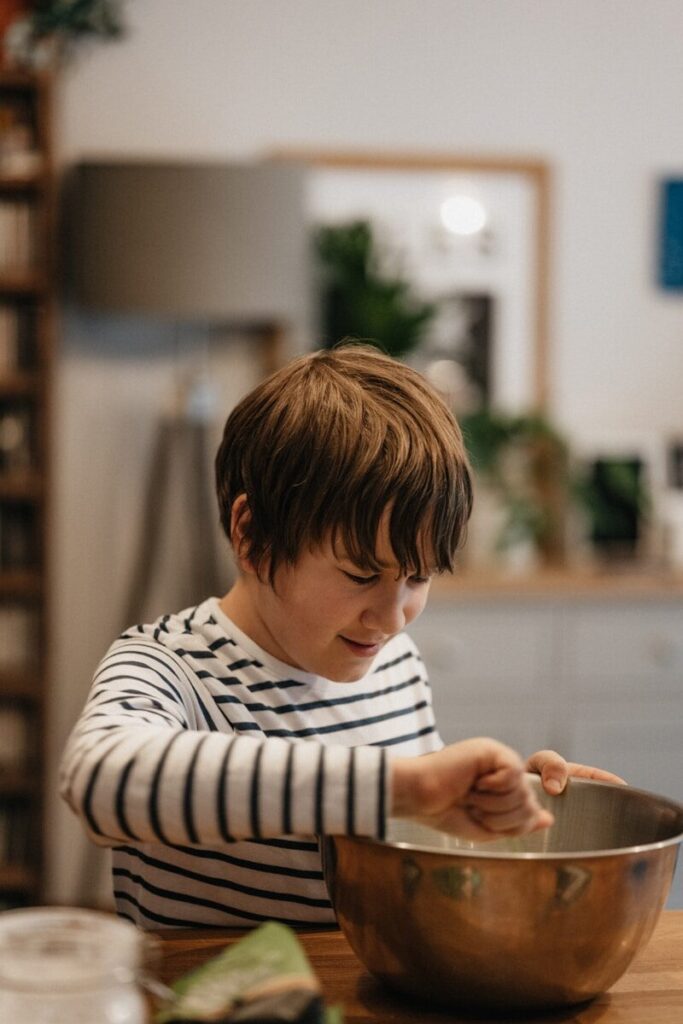
The kitchen may be the most underrated classroom in the house.
Cooking engages an impressive range of cognitive skills all at once. Reading a recipe builds literacy. Measuring ingredients introduces fractions and estimation. Following steps in order trains sequencing. Noticing that dough gets bigger when it rests teaches cause and effect. And adjusting a recipe for more people introduces early multiplication thinking.
But beyond the academic connections, cooking with children builds something harder to quantify: confidence in their own ability to do real things that matter. A child who makes a meal for the family and watches them eat it has a different sense of themselves than a child who only learns from workbooks.
For children ages 3 to 5, focus on pouring, mixing, tearing, and simple tasks they can do safely. For ages 6 to 9, measuring, stirring, and following a visual recipe works well. For ages 10 to 12, children can begin to manage a simple recipe with supervision, from start to finish.
The cognitive benefits compound when children help plan the meal as well as make it. Asking “what should we put in the salad?” or “how much of each ingredient do you think we need?” turns a cooking session into a planning and reasoning activity.
10. Board Games and Strategy Games
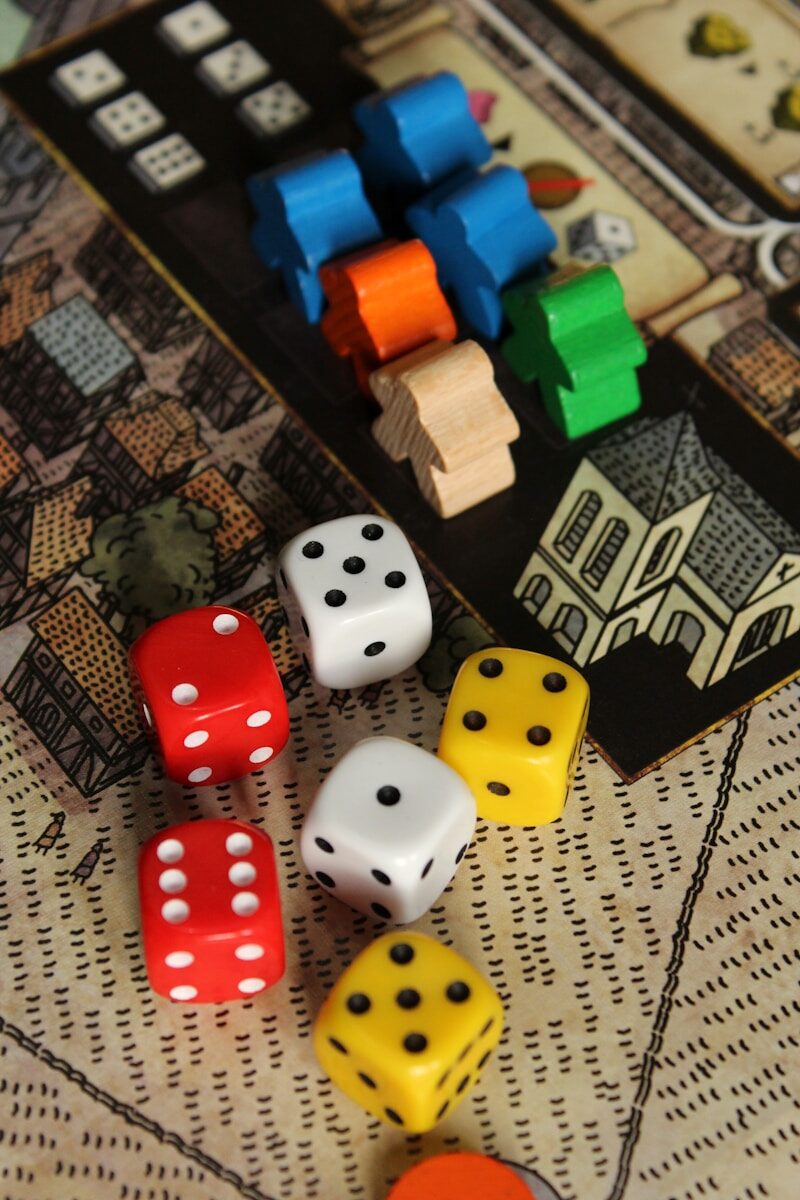
Board games are one of the few activities that simultaneously develop social skills, strategic thinking, emotional regulation, and mathematical reasoning, and feel like fun the entire time.
The key is choosing games that offer the right level of challenge. A game that is too easy teaches nothing. A game that is too hard leads to frustration and shutdown. Developmental psychologists call this the “zone of proximal development.” It is the sweet spot where a child can almost do something, but needs a little stretch to get there. The right game lives in that zone.
For ages 3 to 5, games like Candy Land, Zingo, or simple matching games teach turn-taking and basic rule-following. For ages 6 to 8, Uno, Connect Four, or Sequence build pattern recognition and simple strategy. For ages 9 and above, chess, Catan Junior, or Codenames add deeper planning, social reasoning, and long-term thinking.
What board games teach that other activities often do not:
- How to lose without falling apart, and how to win without losing perspective
- That rules exist for good reasons
- That other players have minds of their own worth understanding
- That patience in the middle of a game is often what wins it in the end
11. Sorting and Categorizing Activities
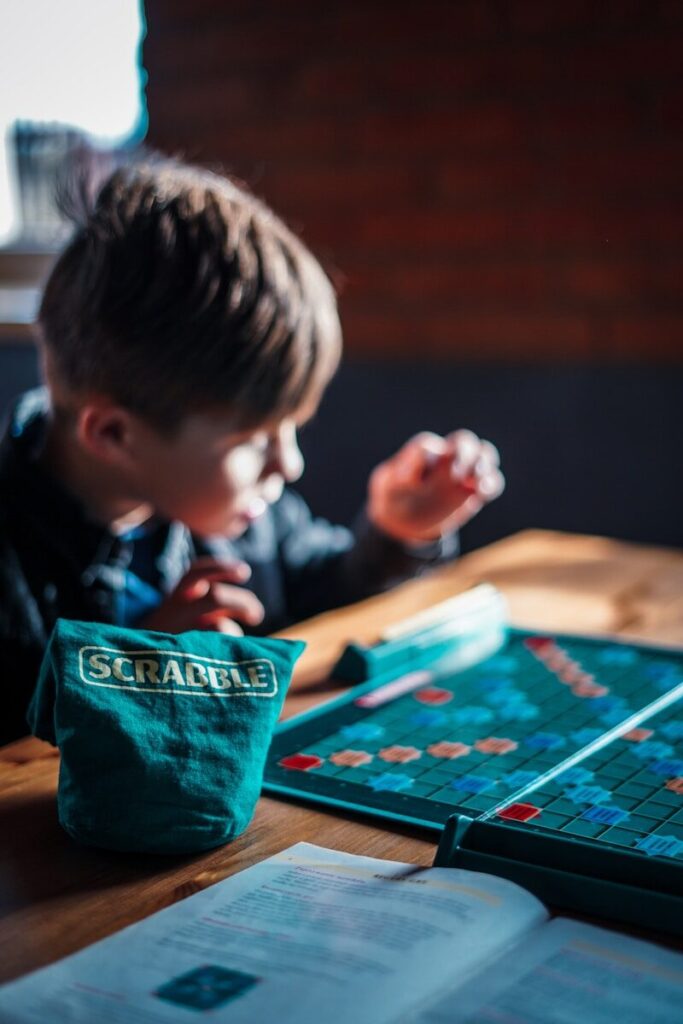
Sorting may look like the simplest activity on this list. It is not.
When a child sorts objects by color, then by size, then by shape, then by material, they are doing something the brain finds genuinely challenging: they are shifting the criteria for a decision while holding the goal steady. That is an executive function skill called “cognitive flexibility,” and it is directly linked to school readiness and problem-solving ability.
A 2017 study in the journal Cognitive Development found that children who were stronger at categorization tasks also showed stronger vocabulary development. The connection makes sense. Language is itself a categorization system. Every word is a category. “Dog” does not just mean this one dog. It means a whole group of things that share certain features. Children who understand categories understand language more deeply.
Sorting activities by age:
- Ages 2 to 4: Sort toys by color, sort laundry by family member, sort blocks by shape
- Ages 5 to 7: Sort objects by more than one rule at a time (big AND red)
- Ages 8 to 12: Create their own sorting systems and explain the logic behind them
Asking children to explain their sorting rule out loud is especially valuable. The act of putting their logic into words deepens their understanding of it.
12. Physical Movement and Gross Motor Play
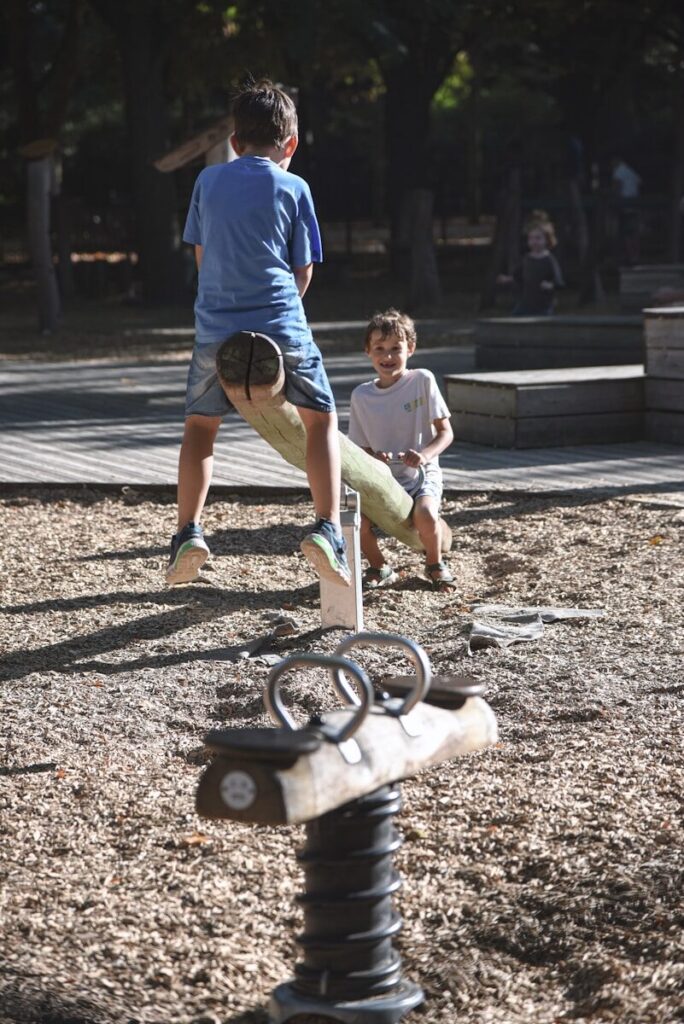
The link between physical movement and cognitive development is one of the most surprising and well-documented findings in modern neuroscience.
A 2013 study published in the journal Health Psychology found that aerobic exercise increased hippocampal volume in children, the hippocampus being the brain region most central to memory formation and learning. Physical movement does not just complement learning. At the neurological level, it actually enables it.
Gross motor play, activities that use the large muscles of the body, also builds the vestibular and proprioceptive systems, which are the brain’s systems for understanding space, balance, and the body’s position. These systems are foundational for reading, writing, and sitting still in a classroom, skills that are often assumed to be purely cognitive but actually depend on physical development.
Children who climb, jump, run, hang, roll, and spin are not wasting time. They are building the physical foundation their cognitive development depends on.
Movement activities that boost brain development:
- Obstacle courses in the backyard or living room
- Hopscotch (which also teaches number sequencing)
- Gymnastics, swimming, or martial arts classes
- Yoga for children, which combines body awareness with breathing and focus
- Simple ball games that require tracking, timing, and coordination
13. Question-and-Answer Games and Critical Thinking Conversations
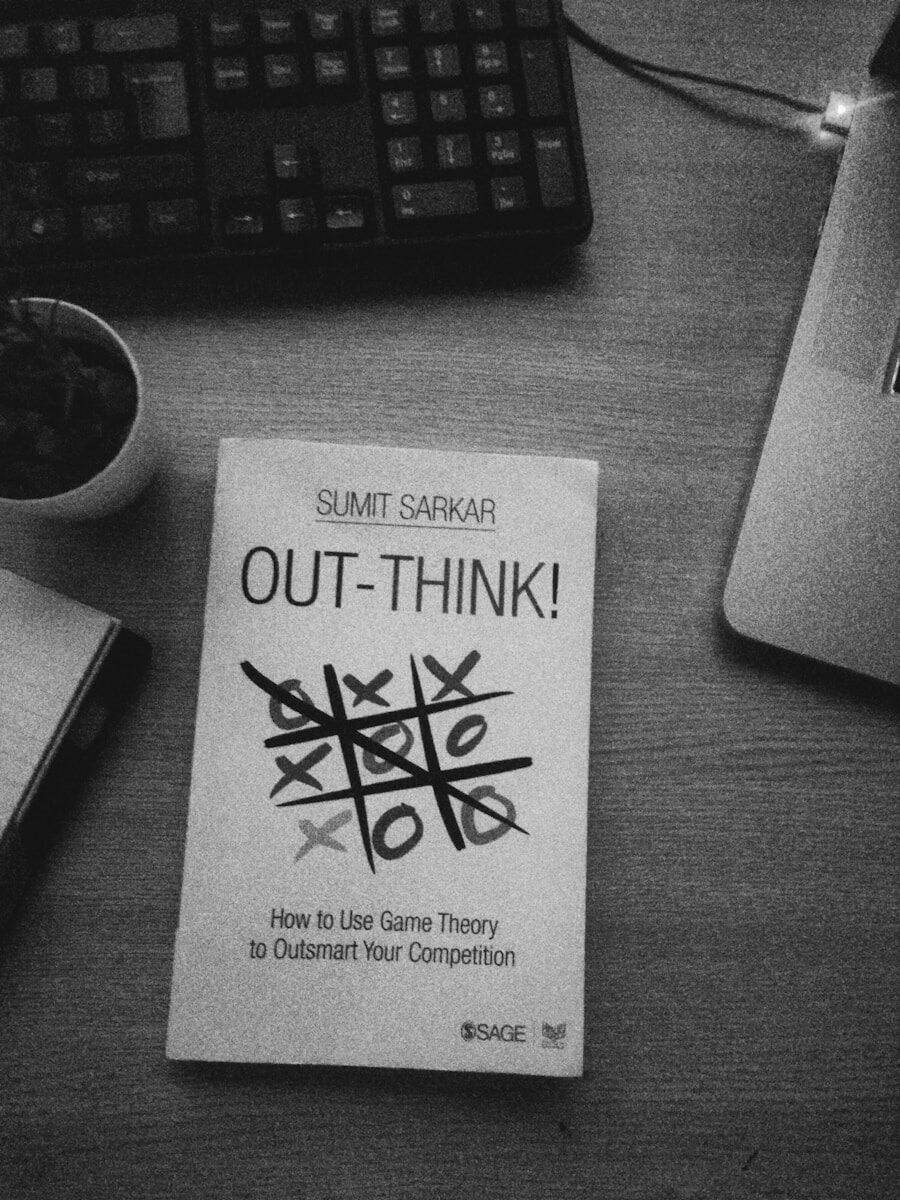
This last activity costs nothing, requires no materials, and is available every single day. It is also one of the most powerful.
The habit of thinking out loud with children, of asking real questions and genuinely listening to their answers, builds critical thinking in a way that cannot be replicated by any worksheet or app. When an adult asks a child “why do you think that happened?” or “what would you do if you were in that character’s place?” they are inviting the child into a mode of thinking that most adults find genuinely difficult.
This kind of conversation, what psychologists call “dialogic inquiry,” has been shown to produce stronger reasoning skills, deeper reading comprehension, and more flexible problem-solving. The key word is dialogic. It means a real exchange, not a quiz. Not “what is the capital of France?” but “why do you think people build capitals in some cities and not others?”
Children who grow up in homes where questions are welcomed and taken seriously develop a different relationship with uncertainty. They learn that not knowing is a starting point, not a failing. That is perhaps the most valuable cognitive habit of all.
Ways to build this habit:
- Ask “what do you think?” before offering your own answer
- Welcome wrong answers as part of thinking, not signs of failure
- Talk through your own reasoning on small decisions: “Let’s see, which route should we take? I’m thinking about traffic and also about time”
- Keep a “wonder jar” where the family drops in questions they are curious about and look them up together
Key Takeaways
- The brain grows fastest when a child is active, curious, and emotionally safe, not when they are sitting still and receiving information
- Play is not the opposite of learning. For children under 7, it is the most effective form of learning available
- Activities that look simple, like sorting, building, or drawing, are doing complex neural work beneath the surface
- Cognitive development is not a race. A child who plays freely, reads widely, moves often, and is asked real questions is building exactly the kind of brain they will need
- Parents do not need to be teachers. They need to be curious, present, and willing to let children lead
- Consistency matters more than intensity. A short daily reading session beats a three-hour marathon once a week
A Final Thought
One of the quiet truths of child development is that children are not waiting to be made capable. They come into the world already driven to learn, already curious, already reaching toward what they do not yet understand.
The activities in this guide are not tools for accelerating children beyond where they naturally belong. They are ways to meet children where they are and give the brain what it is already looking for. Room to explore. Safe space to fail. The company of someone who finds them interesting.
As the educator Loris Malaguzzi once said, children are not an empty cup waiting to be filled. They are a hundred languages waiting to be heard.
The brain grows in those moments of being heard.