7 Smart Things the Middle Class Spends Money On That Pay You Back, in the Patient Wisdom of Warren Buffett

Have you ever looked at your bank balance at the end of the month and asked where all the money went? Most middle class people work hard, earn a fair wage, and still feel that their money slips away. The answer is rarely one big mistake, and it is often a long line of small choices that add up.
This article is about the other side of that story, the small choices that pay you back. Warren Buffett is famous for living a simple life even though he is one of the richest people in the world. He still lives in the same plain house he bought in Omaha in 1958 for about thirty-one thousand dollars, and he eats simple meals and drives a modest car.
His lesson is not that you should never spend money, and it is that you should spend it on things that give value back. A dollar spent well can work for you for years, while a dollar spent on show fades in days. The middle class has a special kind of power that is easy to miss, and each choice can build your future or quietly drain it.
A course, a good tool, or a healthy meal may look like a cost today, yet each one can return far more than it took. The trick is to tell the difference between spending that builds and spending that only shines. A wise spend is not always the cheapest one, and it is the one that keeps paying you long after the day you paid for it.
I once watched a neighbor spend his whole bonus on a large television on the same day it arrived. A year later the television was old news, and he still had the same job, the same pay, and the same worries. Another neighbor spent a smaller sum on a night course in heating repair, and within two years his pay had risen and his evenings were his own.
The short answer: Smart middle class spending goes to things that pay back over time. A useful skill, strong health, good tools, helpful books, a steady car, home cooking, and a small side business can each return far more than they cost. The seven sections below show how each one works in plain real life.
Key Takeaways
- A useful skill or course can raise your pay for many years after one short period of learning.
- Money spent on health, good food, rest, and movement protects the energy you need to earn.
- Good tools for your work save time, cut mistakes, and often pay for themselves within months.
- Books are one of the cheapest ways to learn from wise people who have already walked the path.
- A reliable car for work is worth far more than a flashy car that only looks rich.
- Home cooking with a few sound kitchen tools can save a family a large sum each year.
- A small side business turns spare hours and a skill you own into a second stream of income.
1. A Useful Skill or Course That Raises Your Pay
A skill is the one purchase that no one can take from you once you own it. A new phone loses value the day you buy it, yet a new skill gains value each time you use it. When you learn to fix, build, teach, cook, or sell, people will pay you for that skill again and again.
The best course is often short, plain, and close to the work you already do. A driver can learn basic repairs, a shop worker can learn simple accounts, and a cook can learn new dishes that sell well. You do not need years of study to raise your pay, and a few focused weeks can be enough to start.
A young man in my town worked in a small garage and earned a plain wage for his long days. He paid for a six week evening course in engine repair, and he practiced each night after work with care. Within a year his boss raised his pay, and other drivers began to ask for him by name.
The cost of a course looks large on the day you pay it, so it helps to count the return over years. A course that costs a few hundred can add that much to your pay each month for a very long time. Over ten years, that small rise can grow into a sum that changes a family life.
Choose a skill that people near you already need and will pay for without a long wait. Ask local shops, drivers, and families what help they wish they could find each week. When the need is real and close by, your new skill can start earning almost at once.
It also helps to learn from a person who does the work well, not only from a screen. A kind teacher can show you small tricks that no book can explain, and honest practice can fix your weak spots fast. Ask questions, take notes, and repeat each task until your hands know it well.
Start this month by writing down one skill that could raise your pay within a year. Find the shortest honest course near you, check its price, and set a small sum aside each week until you can join. A skill you own is a wage rise that no boss can take away.
2. Your Health, the Quiet Base of Every Plan
Health is the base that every other plan stands on, yet it is easy to treat it as free. You can only earn, learn, and build when your body and mind have the strength to work. Money spent on good food, rest, and movement is not a luxury, and it is the fuel that keeps your whole life running.
A tired body makes slow choices, and slow choices cost money in ways we rarely count. A worker who sleeps badly may miss days, make mistakes, or lose the energy to learn a new skill. A small sum spent on better food and a calm bedtime can protect far more money than it costs.
Good food does not need to be costly or fancy to do its job well. Fresh vegetables, rice, beans, eggs, and fruit from a local market can feed a family well for a fair price. A home meal built from plain food often costs less than a takeaway meal and leaves you stronger for the next day.
A nurse in my town walks for half an hour each morning before her shift begins. She says the walk clears her head, steadies her mood, and helps her sleep well at night. Her only cost was a pair of sound walking shoes, yet she calls them the best purchase she made all year.
Small health checks are also worth their price, because a small problem caught early stays small. A yearly check with a doctor, a visit to the dentist, or new glasses can save long pain and long bills later. It is wiser to spend a little on care now than a lot on cure later.
Rest is part of health too, and it costs nothing but a firm choice. A phone switched off an hour before bed, a dark quiet room, and a steady sleep time can change how you feel each morning. Many people chase energy drinks and late nights, yet plain sleep gives more energy than any product on a shelf.
This week, pick one small health spend and treat it as part of your plan, not as a treat. Buy the walking shoes, fill the basket with fresh food, or book the check you have put off for a year. A strong body is the first asset a middle class family owns, and it pays back every single day.
3. Good Tools for the Work You Do
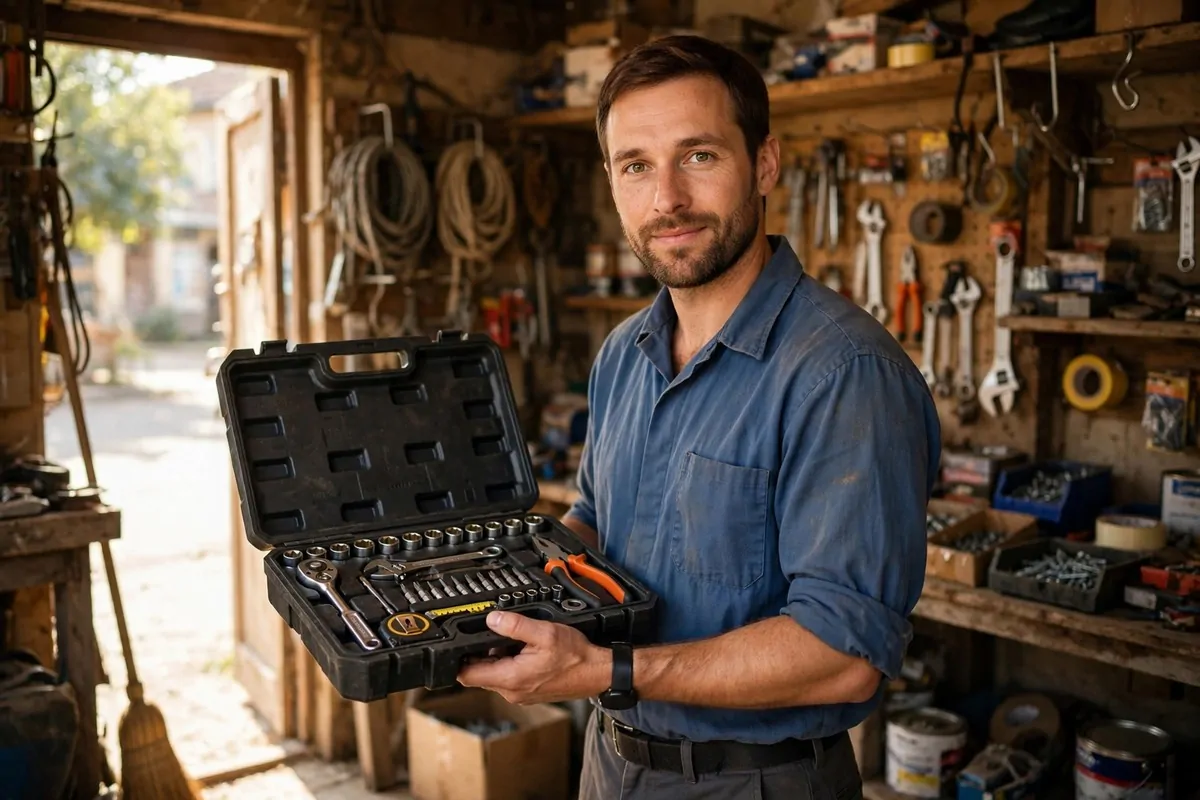
Good tools are a quiet kind of wealth, because they turn your hours into better work. A sharp knife helps a cook finish faster, a sound drill helps a builder work cleanly, and a fast laptop helps a writer meet each deadline. When your tools work well, your hands and mind can do their best.
Cheap tools often cost more in the end, because they break, waste time, and spoil good work. A worker may buy the same weak tool three times in one year, while a sound tool bought once can last for many years. The wise spend is not the lowest price, and it is the lowest cost over the life of the tool.
I learned this from a carpenter who kept one set of tools for more than twenty years. He cleaned them each night, kept them sharp, and replaced only what wore out with honest use. His tools were not fancy, yet his work was clean and fast, and customers paid him well because they trusted the result.
The right tool also protects your body from strain that can cut your working years short. A light ladder, a good chair, or a proper pair of gloves can save your back, your eyes, and your hands from daily harm. Money spent on safety is money that guards the income of many future years.
Before you buy, ask people who do the same work which tool they trust most. A short talk with an older worker can save you from a shiny product that fails in a month. Read plain reviews, hold the tool in your hand, and choose the one that feels steady and true.
Take care of the tools you own, because care is what turns a purchase into a long term friend. Clean them after use, store them dry, and fix small faults before they grow large. A tool that is loved can serve you twice as long, and that extra life is pure gain.
Look at the tool you use most each day and ask whether it still serves you well. If it slows you down or breaks often, set a small sum aside and replace it with the best one you can afford. A good tool pays for itself in saved hours, and saved hours are the raw stuff of wealth.
4. Books That Teach You for Years
A book is one of the cheapest teachers you can ever buy, and it never asks for a day off. For the price of one meal out, you can sit with the thoughts of a wise person for many hours. A good book can teach you a trade, a habit, or a way of thinking that stays with you for life.
Buffett spends much of his day reading, and he has often said that knowledge builds up like compound gains over time. He reads reports, histories, and plain advice, and he lets the ideas settle slowly into his choices. You do not need his library to copy his habit, and one good book a month is a fine start.
A shopkeeper in my area keeps a small shelf of used books behind his counter. He reads a few pages each quiet morning, and he says the books taught him more about honest trade than any course he ever took. His shop is calm, his customers trust him, and his small shelf cost him less than one family dinner out.
Choose books that match the life you want to build, not the life that only looks good. A book on money habits, a book on your trade, or a plain life story of a steady person can each give you a useful idea. One clear idea, used daily for a year, can be worth far more than a shelf full of books you never open.
A library card costs nothing, yet many people forget the library is even there. A free card can open hundreds of books on money, health, skill, and history, and you can return each one when you are done. If you love a book and want to keep it, then buying your own copy is money well spent.
Reading with a pencil in hand turns a quiet hour into real learning that lasts. Mark one idea that you can use this week, write it in a small notebook, and try it in your daily work. A book that changes one habit has paid for itself many times over, even if it cost very little.
Start tonight with twenty pages of a book that teaches something useful for your life. Read a little each day, keep notes in plain words, and share the best idea with a friend or a child. Books are seeds that cost almost nothing, yet they can grow into a harvest that feeds you for years.
5. A Reliable Car That Gets You to Work
A car is a tool for work before it is a sign of success, and wise buyers keep that order clear. A steady car takes you to your job each morning, carries your tools, and brings you home safe at night. When it starts each day without fuss, it guards the wage that feeds your whole family.
The flashy car may win praise at a wedding or a family gathering, yet praise fades fast and the payment lasts for years. A plain reliable car can cost half as much to buy and far less to run, and the money saved can go to a skill, a side business, or a family fund. The road does not care what badge your car wears, and your future will thank you for the cheaper choice.
A taxi driver in my town bought a five year old car with a clean record and a sound engine. He checks the oil each week, changes the tires on time, and keeps the inside clean for his riders. His car has carried him for many years, and the money he saved helped him buy a small plot of land near his town.
When you shop for a car, look at the full cost of owning it, not only the price on the window. Fuel, repairs, tires, and yearly care can differ widely between two cars that look alike. A car that sips fuel and rarely breaks down is a friend to a middle class budget, even if it turns no heads on the street.
A full check by a trusted mechanic before you pay is one of the wisest small spends in this whole article. The mechanic can spot a weak engine, a worn frame, or a hidden fault that would cost you dearly later. A small fee for that check can save you from a large loss that would haunt you for years.
Care for the car you own as you would care for a work partner who never complains. Change the oil on time, keep the tires full, and fix small sounds before they become large faults. A well kept car can serve you for many extra years, and each extra year is money that stays in your pocket.
If your car still runs well, there is no need to trade it for a newer one this year. Spend a little on care, keep it clean, and let the saved money work in a better place. A car that gets you to work on time is already a rich car, whatever its age or shape.
6. Home Cooking and a Kitchen That Serves You
Home cooking is one of the simplest ways a middle class family can keep more of its money. A meal cooked at home often costs a third of the same meal bought outside, and it can feed the whole family at one table. Over a year, the saved money can grow into a sum that pays for a course, a tool, or a family trip.
Cooking at home also gives you control over what goes into each plate. You choose fresh food, less salt, and plain flavors that suit your family well. Children who eat at home learn the taste of real food, and they carry that habit with them for life.
A few sound kitchen tools can turn cooking from a chore into a calm daily joy. A sharp knife, a heavy pan, a rice cooker, or a good storage box can save time and cut waste each day. These tools are not luxuries, and they are the workhorses that make home cooking possible.
A mother of three in my street cooks most meals at home and plans her week on one small list. She buys rice, beans, vegetables, and fruit once a week, and she cooks a large pot that feeds the family for two days. She told me her food bill fell by nearly half, and her children now ask for her dishes by name.
Planning is the quiet skill that makes home cooking cheap and easy to keep. A short list for the week stops random trips to the shop, and a few cooked meals in the fridge stop the call to order food late at night. When the plan is clear, cooking takes less time and less thought each day.
Leftovers are not a sign of a poor home, and they are a sign of a wise one. A roast that becomes soup, rice that becomes a fried dish, and bread that becomes a warm snack all save money without any loss of taste. Families that use food well can stretch a weekly shop much further than families that waste it.
This week, cook at home for five nights and write down what you spend on food. Compare it with a normal week of eating out, and move the saved money to a clear goal on the same day. A warm kitchen is a small business that pays your family every night, and it asks only for a little time and care.
7. A Small Side Business of Your Own
A small side business is a purchase that can turn into a second wage for your family. It starts with a skill you already own, a few simple tools, and a small sum set aside with care. Unlike a new phone or a holiday, a side business can pay you back each week for many years.
The best side business is often close to home and easy to start in a few hours a week. Baking, repairs, tutoring, cleaning, driving, or selling a simple product can all begin with one or two customers. You do not need a shop or a big name to start, and you need only one person who is glad to pay you.
A teacher in my town started selling homemade snacks from her kitchen on weekends. She began with a small oven tray and a few loyal neighbors who loved her taste. Two years later her weekend work paid for her children’s school fees, and she still keeps her calm teaching job each weekday.
Keep the start small and test the idea before you spend much money. Offer your product or service to five people, listen to what they say, and fix the weak spots before you grow. A small test costs little, yet it can save you from a large mistake that would hurt your family budget.
A side business also teaches skills that raise your value in every job you hold. You learn to serve people well, to price fairly, to keep simple records, and to solve problems with a calm head. These lessons stay with you even if the business changes shape, and they make you stronger in any work.
Time is the main cost of a side business, so guard your rest and your family hours with care. Two or three focused hours a week are enough to begin, and the work can grow only when it feels steady and kind. A side business should add peace to your home, not steal it away.
Pick one skill you already have and offer it to three people this week at a fair small price. Do the work with care, save the first earnings in a separate place, and let the business grow one happy customer at a time. A small business of your own is a seed that can grow into a tree of safety for your family.
Conclusion
The seven smart spends in this article share one simple mark, and it is that they pay you back. A skill, health, tools, books, a steady car, home cooking, and a small business each return more than they take. They do not shine for a day, and they work quietly for years.
I believe the middle class grows rich not by earning more alone, but by spending with a clear eye. Each wise purchase is a small brick in a wall of safety around your family. When the wall is built brick by brick, it can stand through hard years and calm ones alike.
Buffett shows that a rich life is not a loud life, and it is a life where money goes to things that last. His plain house, simple meals, and long patience are not a lack of joy, and they are the proof that joy can live in simple things. You can copy his calm without copying his wealth, and your own life will grow steadier each year.
Pick one idea from the seven above and act on it before this week ends. Write the first step down, set a small sum aside, and tell a trusted friend what you plan to do. Small wise spending, repeated with patience, is how ordinary families build a steady and hopeful future.