6 Real Businesses You Can Start With Almost No Money
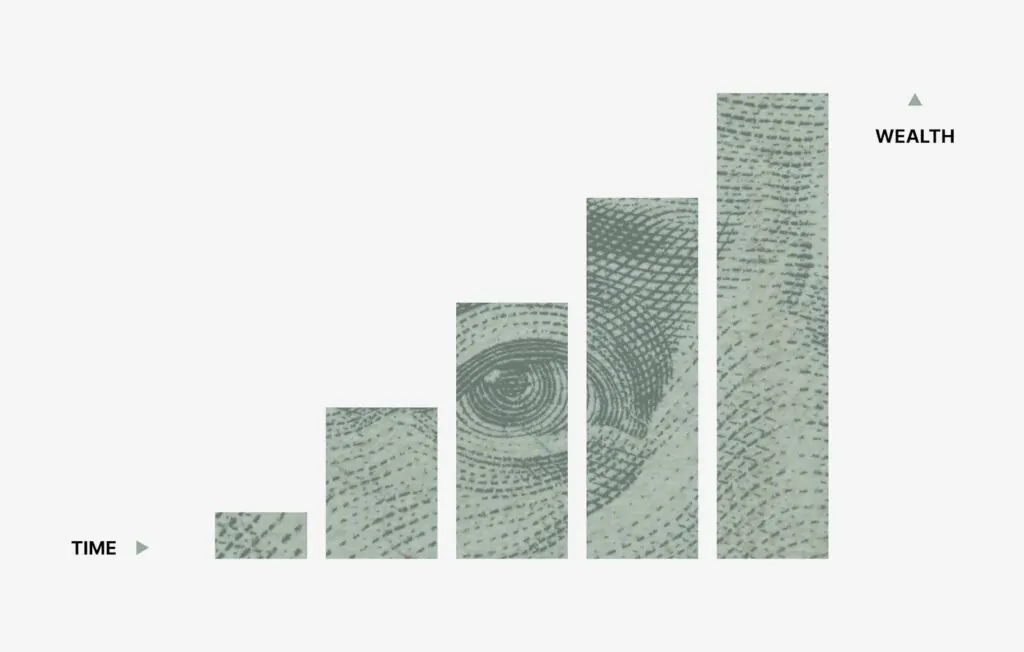
Most people think they need big cash to start a business. That idea is just not true anymore. The world changed. The tools changed. And the way money gets made changed too.
A lot of people sit on a good idea for years. They wait for the right time, the right amount of money, the right sign. The truth is, some of the most real and solid businesses alive today started from a laptop, a phone, and zero dollars in a bank.
This post is not here to sell you a dream. It is here to show you six real ways real people build income with almost nothing up front. Some of these take skill. Some take time. All of them take action. But none of them need you to be rich first.
Not every low-cost business idea is equal. Some take 3 months to earn your first dollar. Some take 3 weeks. If someone tells you any of these will make you rich fast with no work, walk away. There is no shortcut. There is only a smarter start.
Why Starting With No Money Is Actually Possible Now
Ten years ago, starting a business with no cash was hard. You needed a shop, a sign, a phone line, maybe a van. You needed stuff. Physical stuff.
That is no longer the case. Today, the biggest costs in old businesses, like rent, staff, stock, and ads, can all be skipped at the start. You can reach customers for free. You can sell things you never touch. You can build a name with just a phone camera.
The point is not that it is easy. The point is that the barrier to entry is now so low that the main thing stopping most people is not money. It is the decision to start.
Business 1: Freelance Writing
Every website you read has words on it. Every brand you follow has posts, emails, and captions. Someone wrote all of that. That person could be you.
Freelance writing is one of the oldest low-cost businesses out there. And it is still growing fast. Companies of every size need fresh content, all the time. Blogs, product pages, ads, newsletters, and social posts all need a human brain behind them. As AI content floods the web, the demand for real human writers with a clear voice has actually gone up, not down.
What You Need to Get Started
- A laptop or desktop (phone can work early on)
- A free account on Upwork, Fiverr, or both
- Two or three writing samples (write them yourself for free)
- A basic idea of what topics you know or enjoy
That is it. No degree. No office. No investment.
The first jobs will feel small. Some clients pay $10 for a 500-word post. Do not stay there long. As your profile builds up and reviews come in, rates jump fast. Skilled writers on platforms like Upwork charge $40 to $80 per hour or more. Content writers earn $15 to $40 per hour even at entry level.
Pro Tip: Pick one niche when starting. Finance, health, tech, pets. Clients pay more for writers who sound like they know a topic deeply. A general writer earns less than a focused one. Niche down from week one.
How Income Grows Over Time
| Time Frame | Expected Earnings | Main Focus |
|---|---|---|
| Month 1 to 2 | $100 to $400 | Build samples, get first reviews |
| Month 3 to 5 | $500 to $1,500 | Repeat clients, raise rates slightly |
| Month 6 to 12 | $1,500 to $4,000+ | Niche authority, long-term contracts |
These are not promises. These are real patterns seen across thousands of writers who started from scratch on freelance platforms.
Business 2: Social Media Management
Most small business owners know they need to post on Instagram or Facebook. Most of them hate doing it, or simply do not have the time. That gap is a real business opportunity.
Social media management means you run the online pages for a business or brand. You create posts, write captions, reply to comments, and help the account grow. It sounds simple because the tools are simple. Free tools like Canva, Buffer, and Meta Business Suite handle design and scheduling at zero cost.
What clients are really paying for is consistency and creativity. They want someone who shows up every week and keeps the page alive. That is something most business owners cannot do for themselves.
- Free tools: Canva (design), Buffer or Later (scheduling), Meta Business Suite (analytics)
- Where to find clients: Local Facebook groups, LinkedIn, cold emails to small businesses, Fiverr
- Starter rate: $200 to $500 per month per client
- With 4 clients: $800 to $2,000 per month, part time
Important Note: You do not need to be famous on social media to manage it for others. Clients are not hiring your followers. They are hiring your skills in planning, writing, and staying consistent. Many successful managers have small personal accounts.
First Client Checklist
- Pick one platform to specialize in (Instagram, Facebook, or LinkedIn)
- Create 3 to 5 sample posts for a fake brand to show your style
- Message 10 local businesses offering one free week of posts
- Turn that free week into a paid monthly deal
- Ask for a written review after 30 days
The first client is the hardest part. After that, each new client comes faster because you have proof.
Business 3: Dropshipping
Dropshipping gets talked about a lot, sometimes with too much hype. But the model itself is real and solid when done with care.
Here is how it works. You set up an online store. A customer buys a product from you. You send that order to a supplier. The supplier ships it to the customer. You never touch the product. You never hold stock. You earn the gap between what the customer paid and what the supplier charged.
The Real Numbers Behind Dropshipping
The global dropshipping industry brings in over $370 billion per year. That is not a small market. But it is also competitive. Research shows that 39% of dropshippers on Amazon earn $5,000 or less per year. That number is low mainly because most beginners pick the wrong products or do not invest enough in learning the basics.
The honest truth about dropshipping:
It is not truly free to start. Shopify costs around $1 per month for the first 3 months, then about $39 per month. Running paid ads costs money too. But it is possible to start with as little as $50 to $100 if you focus on organic traffic first through TikTok or Instagram Reels. Many beginners skip ads and grow through short video content for free.
| What You Need | Cost | Free Option |
|---|---|---|
| Online store | $1 to $39/month (Shopify) | WooCommerce on free hosting (limited) |
| Product sourcing | $0 | AliExpress, DSers (free plan) |
| Traffic / customers | $0 to $50+ | Organic TikTok, Instagram, Pinterest |
| Branding tools | $0 | Canva free plan |
Warning: Avoid dropshipping products with very thin margins or items that take 30 to 60 days to ship from overseas. Customers will leave bad reviews and ask for refunds. Focus on products with 3x to 5x markup and reasonable shipping times under 15 days.
Business 4: Affiliate Marketing
Affiliate marketing is one of those things that sounds too simple to be real. But it works. And it has made a lot of ordinary people very solid passive income.
The idea is this. You share a link to a product. Someone clicks the link and buys. You earn a cut of that sale. No product to make. No customer service to handle. No inventory to store.
Commissions range from 5% on Amazon products all the way up to 50% or more on digital products. The average income in affiliate marketing varies widely. Some people earn $200 a month. Others earn $10,000 a month or more from a single website or YouTube channel.
Where Affiliate Marketing Actually Lives
- Blogs and websites: Write helpful posts that rank on Google. Add links to products you review or mention.
- YouTube channels: Review products on video. Put affiliate links in the description.
- Social media: Share genuine recommendations on Instagram, TikTok, or Pinterest with a link in bio.
- Email newsletters: Build a small email list. Share curated product picks to subscribers.
Pro Tip: The best affiliate income comes from trust. Promote only things that are genuinely useful. A blog that honestly reviews 10 products and says “only 3 of these are worth buying” earns far more long-term trust than one that praises everything. Readers can tell the difference. Google can too.
Good networks to join include Amazon Associates, ShareASale, ClickBank, and Impact. Most are free to apply and approve beginners within a few days.
Time to First Dollar: Realistic Timeline
| Platform | Time to First Earnings | Key Skill Needed |
|---|---|---|
| Blog / SEO | 3 to 9 months | Writing, basic SEO |
| YouTube | 1 to 4 months | Video creation, speaking |
| TikTok or Reels | 2 to 8 weeks | Short video, trend awareness |
| Email newsletter | 1 to 3 months | Writing, list building |
Business 5: Online Tutoring and Teaching
If you know something well, someone out there is willing to pay to learn it from you. That is the whole business model. And it is old. But online tools made it 10 times more reachable for anyone.
Online tutoring works for almost every subject. Math, English, science, music, coding, test prep, cooking, a language, even a craft. The demand for skilled, human-led tutors continues to grow as people want real guidance, not just a recorded video they can scroll through.
Two Clear Paths in This Business
Path 1: Live Tutoring (real-time sessions)
You meet students on Zoom or Google Meet. Sessions run 30 to 90 minutes. Rate is $20 to $80 per hour depending on subject and level. Platforms like Preply, Wyzant, and Tutorful connect tutors with students globally for free sign-up.
Path 2: Pre-recorded Courses (earn while you sleep)
Record your lessons once. Upload to Teachable, Gumroad, or Udemy. Students buy at any time. This path takes more work up front but can earn money with no extra time spent after launch.
Important Note: You do not need a teaching degree for most subjects. What matters is that you can explain it clearly and that students actually learn. Good reviews lead to more students. Bad reviews end the business fast. So start with subjects where you are genuinely strong, not just comfortable.
- Choose one subject or skill to teach first
- Sign up on Preply, Fiverr, or Wyzant for free
- Offer 2 free sessions in exchange for honest reviews
- Set a rate just below average to build your profile fast
- Raise rate after 10 good reviews
- Consider recording a short course once you find your most popular lesson
Who Earns What in Online Teaching
| Teaching Area | Average Hourly Rate | Top Monthly Potential |
|---|---|---|
| School subjects (Math, English) | $20 to $40 | $2,000 to $4,000 |
| Test prep (SAT, IELTS, GMAT) | $40 to $80 | $4,000 to $6,000 |
| Language teaching | $15 to $35 | $1,500 to $3,500 |
| Coding or tech skills | $50 to $100+ | $5,000 to $10,000+ |
Business 6: Print-on-Demand
Print-on-demand is one of those business models that genuinely surprised a lot of people when it first appeared. The idea is simple. You design something. A t-shirt, a mug, a tote bag, a phone case. You put it up for sale in an online store. When someone buys it, a printing company makes it and ships it. You earn a profit. You never see the product.
No stock. No warehouse. No upfront cost for inventory. Just your design and a platform.
Best Free Tools to Start
- Canva: Free design tool. Even basic accounts can make clean, sellable designs.
- Printful or Printify: Free to join. They handle printing and shipping.
- Etsy: Low listing fee (around $0.20 per item). One of the best places to sell POD items.
- Redbubble: Fully free. Upload designs and sell with zero setup cost.
Pro Tip: Do not try to sell “cool” designs to everyone. The print-on-demand sellers who earn real money target tight, specific groups. Teachers who love cats. Nurses with dark humor. Dads who like golf. Find a tribe, design for them, and speak their language in every caption.
The profit per item is not huge. A t-shirt might earn $8 to $14 in profit. But the math changes fast when 10, 50, or 100 people buy the same design. The work is done once. The income keeps coming.
Brands that focus on personalization earn up to 40% more than those that sell broad generic products. That stat alone says everything about where the money is in this space.
Print-on-Demand: Is It Worth Starting Today?
| Factor | Reality Check |
|---|---|
| Startup cost | $0 to $20 to get a first product live |
| Time to first sale | 2 to 8 weeks on average |
| Profit margin per item | 15% to 40% depending on product and platform |
| Competition level | High. Niche focus is essential. |
| Passive income potential | Strong once designs are live and traffic builds |
Warning: Never use copyrighted images, sports logos, celebrity names, or brand trademarks in your designs. Platforms will remove your store without warning and can suspend your account permanently. Always create fully original work or use royalty-free assets from sites like Unsplash or Pixabay.
How to Pick the Right Business for You
Reading about six options is helpful. But most people feel stuck after reading because they do not know which one fits their life. Here is a simple way to narrow it down.
| If You Are… | Try This First |
|---|---|
| Good with words | Freelance Writing or Affiliate Marketing (blog) |
| Active on social media already | Social Media Management or Print-on-Demand (Etsy) |
| Good at explaining things | Online Tutoring or Course Creation |
| Interested in e-commerce but no product | Dropshipping or Print-on-Demand |
| Want income fast (under 30 days) | Freelance Writing or Social Media Management |
| Want passive income (long-term) | Affiliate Marketing or Print-on-Demand |
Common Mistakes That Kill These Businesses Early
Knowing what to do is one half. Knowing what not to do is the other half. Most people who quit do not quit because the business model is broken. They quit because of habits that could have been fixed early on.
- Trying to do all six at once. This kills focus. Pick one. Do it for 90 days before adding anything else.
- Waiting until everything is “ready.” No profile is perfect on day one. Get something live and improve it from real feedback.
- Pricing too low out of fear. Underpricing is not humble. It is harmful. Low prices attract hard clients and signal low quality.
- Giving up after two weeks. Most of these businesses take 30 to 90 days to show real traction. Patience is a skill here.
- Ignoring the first client experience. How you treat your first three clients shapes everything. Over-deliver. Always.
A pattern worth knowing:
Studies of low-capital businesses found that only half of new businesses survive past year five. But service-based businesses like freelancing, tutoring, and social media management tend to last longer because they adapt faster. When you sell skill, not product, the business can shift with the market. That flexibility is one of the biggest advantages of starting this way.
What You Actually Need Before Starting Any of These
Not money. Not a business plan. Not a company name. Here is the real starting list:
- One clear skill or topic area you already know
- A phone or laptop with a reliable internet connection
- One platform to find your first client or customer
- Time set aside each day (even 1 to 2 hours is enough to start)
- The patience to do it for 60 days without expecting big results
That list is genuinely all that stands between most people and their first dollar from one of these businesses. The rest gets figured out along the way. Every successful person in any of these fields has said some version of that same thing.
Key Takeaways
- Starting a business with no money is possible, but it trades cash for time. More time in means faster results out.
- Freelance writing and social media management give the fastest path to income, sometimes within 2 to 4 weeks of starting.
- Affiliate marketing and print-on-demand are slower to start but can build income that runs while you sleep.
- Dropshipping is not free, but it can be started for under $100 with organic traffic instead of paid ads.
- The biggest risk in all six businesses is quitting too early, not spending too little.
- Picking one option and going deep beats trying all six and going shallow on each one.
Final Thought
The idea that businesses need big money to start is something older generations passed down. That belief made sense in 1995. It does not make as much sense in 2025.
A person with a good skill, a clear niche, and 60 days of honest effort can build something real from almost nothing. The tools are free. The platforms are open. The market is global.
The only thing truly scarce is decision. Not cash.
“The secret of getting ahead is getting started.” — Mark Twain
There will always be a reason to wait. There will always be something that is not quite ready. The most useful thing a person can do today is pick one of these six options and take one real step toward it. Not a big step. Just one.
That first step is where businesses actually begin.