5 Things Smart People Must Stop Buying, Lessons Warren Buffett Taught the World

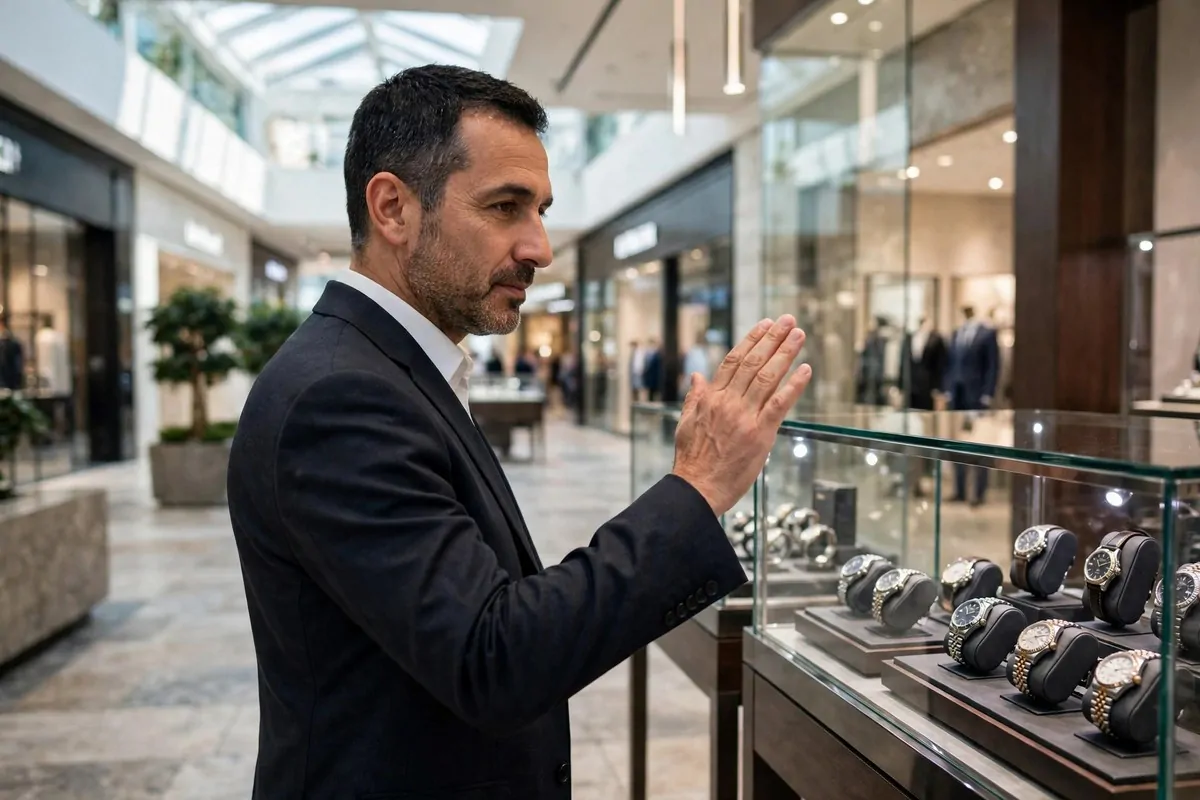
Walk through any big shopping mall on a Saturday, and you will see bright windows full of shiny things. New cars gleam under the lights, costly watches sparkle behind glass, and the newest phones sit in neat rows. Smart people walk past most of it, and they feel no pull at all.
Warren Buffett is one of the richest men alive, yet he lives in the same plain house he bought in 1958. He eats simple meals, he drives an older car, and he uses a plain phone for years. His life shows that wealth grows when you skip the things that only look rich.
I once watched a young manager buy a costly watch to impress his new boss. He paid more than two months of his salary for it, and he wore it with pride for a week. A month later the shine had faded, and he was still paying for it in small monthly sums while his savings sat empty.
The things smart people must stop buying are not small treats or simple joys. They are big purchases that drain your money, feed your pride, and give little back. Each one feels like a reward, yet each one quietly steals from your future.
This article shares five things smart people must stop buying, with plain stories and real numbers behind each one. You will see what each thing truly costs, and what your money can become if you keep it instead.
The short answer: the things smart people must stop buying are brand-new cars, designer labels, the latest phone each year, luxury watches, and big houses bought to impress others. Warren Buffett teaches that each of these purchases trades lasting wealth for a short feeling of status. Skip them, keep the money, and let time turn those saved sums into real freedom.
Key Takeaways
- A brand-new car loses value fast, so buy a sound used car and keep the difference.
- Designer labels charge you for the name, not for finer quality.
- A new phone each year wastes money on small changes you barely notice.
- A luxury watch tells the same time as a plain watch, at a far higher price.
- A big house bought to impress others brings heavy payments and worry.
1. A Brand-New Car
A new car smells fresh, shines bright, and feels like a reward for hard work. The dealer smiles, the seats feel soft, and the engine hums like a song. For a few weeks, the new car feels worth every cent you paid for it.
The numbers tell a colder story. A new car can lose a fifth of its value in the first year alone, and nearly half its value in five years. That loss is real money, gone like smoke, and you never get it back.
Warren Buffett has long avoided this trap. He buys cars that are a few years old, he drives them for many years, and he spends his money on things that grow instead. His plain habit has saved him a fortune over a lifetime of driving.
A sound used car can serve you just as well as a new one. A car that is three years old has already lost its sharpest drop in value, yet it still has many good years of driving left. A careful check by a trusted mechanic can tell you if the car is sound before you buy it.
| Car you buy | Price you pay | Value after five years |
|---|---|---|
| Brand-new car | 30,000 dollars | 16,000 dollars |
| Three-year-old car | 18,000 dollars | 12,000 dollars |
| Six-year-old car | 10,000 dollars | 7,000 dollars |
The money you save by buying used can work for you instead. Ten thousand dollars kept aside can grow into a real sum over ten years, while ten thousand dollars spent on a new car shrinks each year. The choice is between a shiny car today and a calm future tomorrow.
The things smart people must stop buying start with the new car, because it is the biggest trap most people face. A car is a tool to move you from one place to another, not a badge to show your worth. Buy a tool that works, and keep the rest of your money for your family.
Next time you dream of a new car, wait for a month and do the sums first. Look at good used cars, ask a mechanic to check one, and see how much you would save. You may find that a used car and a growing savings pile feel far richer than a new car ever could.
2. Designer Labels
A shirt with a famous name can cost ten times more than a plain shirt of the same cloth. The stitching is the same, the cotton is the same, and the comfort is the same. The only difference is a small logo sewn on the chest, and that logo is what you pay for.
Designer labels sell a feeling, not finer quality. They tell you that a costly bag or costly shoes will make people respect you. In real life, most people barely notice the label, and those who do notice rarely care about your worth as a person.
Warren Buffett wears simple suits that cost far less than designer suits. He buys his clothes for comfort and fit, not for the name on the tag. His plain dress has never hurt his standing, and the world respects him for his mind, not his wardrobe.
A plain shirt that fits well can look just as smart as a designer shirt. A clean pair of shoes, polished and cared for, can look fine for years. Good taste is about fit, cleanliness, and care, and none of those things need a famous name.
The money spent on labels adds up fast. Two hundred dollars for a shirt here, five hundred dollars for shoes there, and soon a whole year of savings has gone into a closet. That same money could have paid for a family trip, a course to learn a skill, or a growing savings pile.
I once paid a high price for a shirt with a famous name, and no one ever noticed the label. The shirt felt no softer than a plain one, and the money was gone all the same. That small lesson taught me more than any advert ever could.
Try a simple test for one month, and buy only plain, well made clothes. Notice how you feel, and notice how others treat you. You will likely find that respect follows your manners and your work, not the name stitched on your chest.
3. The Latest Phone Every Year
Each autumn, phone makers show a new model with a brighter screen and a faster chip. Long lines form outside shops, and many people pay a full month of salary for a phone that looks almost the same as last year’s model. The excitement lasts a week, and then the phone is just a phone again.
The changes from one year to the next are small. A camera that is a little sharper, a battery that lasts a little longer, and a screen that is a little brighter. Most people use their phones for calls, messages, photos, and maps, and a two year old phone does all of those tasks well.
Warren Buffett used a plain flip phone for many years, long after smart phones became common. He saw no need to pay for features he did not use, and he kept his money for wiser things. His calm habit shows that a phone is a tool, not a treasure.
A new phone each year can cost you more than a thousand dollars a year. Over ten years that is ten thousand dollars, gone into small glass boxes that you replace again and again. That same sum, saved and left to grow, could become a real safety net for your family.
The makers of phones want you to feel old when your phone is a year old. They use bright adverts, famous faces, and words like new and pro to stir your wants. A smart person sees the game, smiles, and keeps the phone that still works fine.
The things smart people must stop buying include the yearly phone, because it is a habit that never ends. Each year brings a new model, and each model asks for more money. Breaking the cycle once frees you from it for good.
Keep your current phone for one more year, and see how little you miss. Clean it, buy a fresh case if you like, and use the money you saved for something that lasts. You will find that a working phone and a growing savings pile feel far richer than a new screen.
4. A Luxury Watch
A luxury watch can cost as much as a small car, yet it tells the same time as a plain watch. It ticks the same seconds, shows the same hours, and needs the same care. The extra money buys a name, a shine, and a feeling that fades fast.
Watch makers sell dreams of success and power. They show famous men in fine suits, standing in grand rooms, and they hint that the watch made the man. In truth, the man made himself through years of work, and the watch was only a prize he bought at the end.
Warren Buffett wears a plain and simple watch, and he has worn simple watches for decades. He does not need a costly watch to prove his worth, because his work speaks for him. His plain watch tells the time just as well as any luxury watch ever could.
A plain watch that costs fifty dollars can last for years with a little care. It wakes you on time, it keeps your meetings straight, and it never asks for praise. The luxury watch does the same job, yet it costs a hundred times more for the same hours and minutes.
The money spent on a luxury watch could change a life if kept. Five thousand dollars could pay for a course that teaches a new skill, or it could start a small business, or it could sit as a safety net for hard months. A watch on your wrist cannot do any of those things.
If you love fine craft, admire it without owning it. Visit a watch shop, look at the fine work, and enjoy the beauty with your eyes. Then walk out with your money still in your pocket, and let the craftsmen keep their treasure while you keep yours.
Next time a shiny watch catches your eye, pause and ask one plain question. Will this watch make my life richer in five years, or will it only shine for a few weeks? The honest answer will guide your hand back to your pocket, and your money will stay where it belongs.
5. A Big House to Impress Others
A big house with many rooms and a grand gate can feel like the peak of success. Friends admire it, neighbors talk about it, and the owner feels proud each time he turns the key. Yet the pride fades fast, and the monthly house payment stays for many years.
A big house brings big costs that never stop. Heating, cooling, repairs, taxes, and cleaning all grow with the size of the house. A family of four in a house built for ten pays for empty rooms every single month, year after year.
Warren Buffett still lives in the modest house he bought in 1958 for thirty one thousand dollars. He could have bought a palace many times over, yet he chose a home that fits his life. His choice shows that a house should serve your family, not impress your street.
A modest home that fits your family is a true blessing. It is warm in winter, cool in summer, and easy to keep clean. The money you save on a smaller home can pay for your children’s learning, your family’s trips, or a calm retirement.
Many people buy a big house because they fear what others will think. They stretch their budget, they take on a heavy monthly house payment, and they live with worry for decades. The neighbors they hoped to impress rarely think about the house at all.
The things smart people must stop buying include the oversized house, because it is the costliest status symbol of all. A house is a place to live, love, and rest, not a stage for showing wealth. Choose the size that fits your life, and keep the rest of your money free.
Before you dream of a bigger house, write down what your current home lacks. If the list is short, your home may already be enough. Spend the money you would have used on a bigger house on the people inside it, and watch your life grow richer in ways a big house never could.
Conclusion
These five things share one trait, and that trait is status. Each one promises to make you look rich, yet each one quietly makes you poorer. The new car, the label, the phone, the watch, and the big house all trade lasting wealth for a short feeling of pride.
Warren Buffett built his wealth by skipping these traps, year after year, for many decades. He lived plainly, he bought what he needed, and he let his money grow in silence. His life shows that true wealth is quiet, and it grows best when no one is watching.
I hope you walk away from this article with a sharper eye for status traps. The next time a shiny thing calls your name, pause and ask what it truly gives you. If the answer is only pride, walk past it with a calm smile.
Your money is a tool for freedom, not a stage for show. Keep it, grow it, and spend it on the people and dreams that truly matter. A plain life, lived with wisdom, can become a rich life in every way that counts.