10 Signs You Were Born to Be a Loner, and Why Your Quiet Nature Is a Real Strength

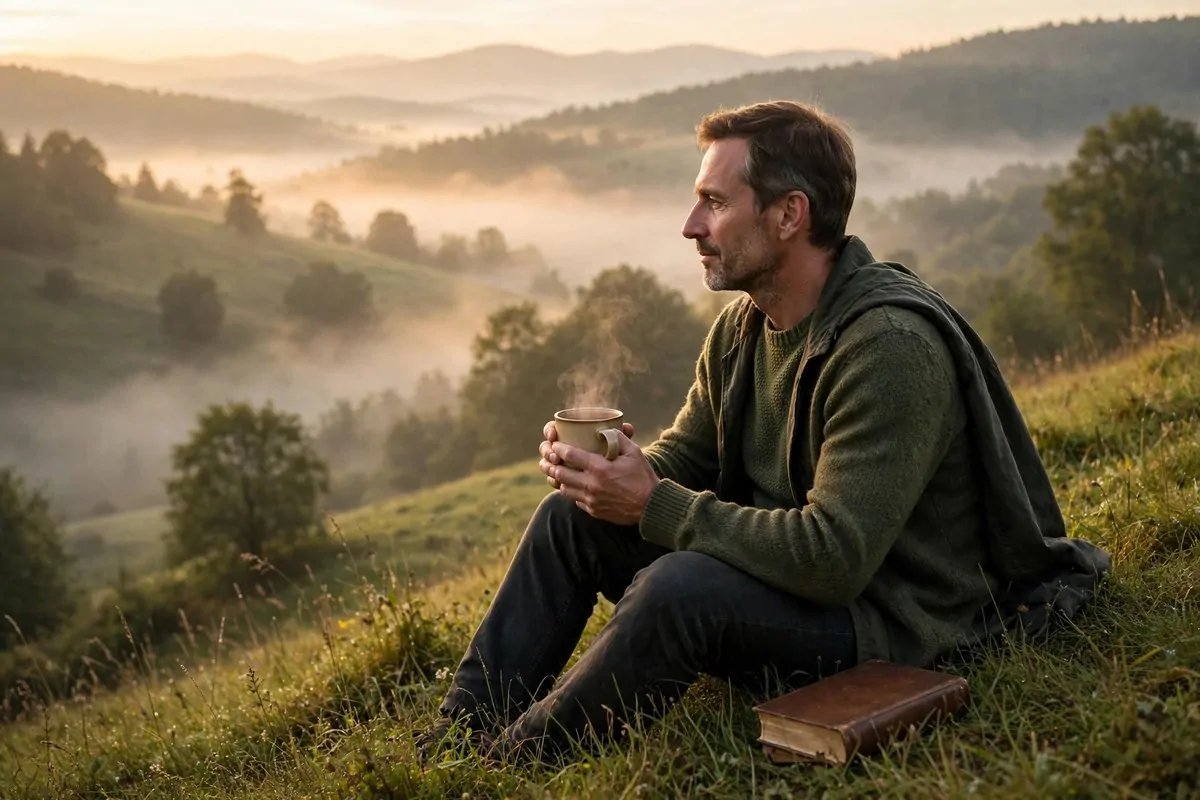
Some people feel most alive in a loud room full of friends. Other people feel most alive in a quiet room with one good book and a warm cup of tea. If you belong to the second group, you may have spent years thinking something was wrong with you. Nothing is wrong with you at all.
I have a friend who turns down big parties, yet he is one of the happiest men in our town. He spends his evenings reading, walking alone in the park, and working on small projects in his garage. His life is quiet, yet it is full, and he would not trade it for a louder one.
Charlie Munger, the late partner of Warren Buffett, was a famous loner in his own way. He spent hours each day reading alone, he thought on his own, and he trusted his own mind more than the noise of the crowd. He built a great fortune with that quiet style, and he often said wise people read all the time.
Being a loner does not mean you dislike people. It means you draw your energy from quiet time, and you give your best when you have space to think. Many loners are kind, loyal, and warm, yet they guard their alone time because it keeps them strong and clear.
This article shares ten signs that you were born to be a loner. Each sign is a strength in disguise, and each one comes with a small story from real life. As you read, you may find yourself smiling, because these signs may describe you better than any label ever has.
The short answer: a loner is a person who feels calm, clear, and strong in quiet time alone, and who keeps a small circle of deep friendships instead of a large crowd. The ten signs below show how that quiet nature helps you think well, learn fast, and live a steady life. If most of them sound like you, your lone nature is a gift, not a flaw.
Key Takeaways
- You feel calm and happy when you spend time alone.
- Quiet rooms help you think more clearly than loud ones.
- You keep a small circle of close friends, and you treasure them.
- A free day alone feels like a gift, not a burden.
- You make up your own mind, even when the crowd disagrees.
- You learn best on your own, at your own pace.
- Big crowds tire you, and quiet time brings your energy back.
- You tell yourself the plain facts, even when they sting.
- You notice small details that busy people walk right past.
- You do your best work without an audience or applause.
1. You Feel Calm and Happy When You Are Alone
Some people feel restless the moment they are left alone. They reach for their phone, they turn on the television, or they call a friend to fill the silence. A born loner feels the opposite, and a quiet room feels like a soft place to land.
When you are alone, your mind slows down and your breath grows calm. You may sit by a window with tea, or you may walk a quiet path near your home. The silence does not scare you, and it does not bore you. It feels like rest after a long day.
This calm is a real strength in a loud world. Most people chase noise all day, from phones to crowds to endless talk. A loner can sit still, and that stillness lets the mind sort out hard thoughts. Many good ideas are born in such quiet hours.
A teacher in a small town once told me she spends her Sunday mornings alone in her garden. She reads, she prunes her plants, and she plans her week in peace. By Monday she feels fresh and ready, while her friends feel tired from a busy weekend of visits and noise.
You can test this sign in your own life. Think of a day when you had no plans and no guests, and ask how you felt by evening. If you felt calm and full, not empty, then alone time feeds you. That feeling is the first sign of a loner nature.
Alone time also helps you hear your own voice. When no one is talking, you can ask yourself what you truly want, and you can hear the answer. That inner voice grows weak when life stays loud, and it grows strong when you give it quiet hours.
The main point here is simple. If being alone makes you calm instead of sad, you carry a rare gift. Your quiet hours are not wasted time, they are the fuel that keeps your mind clear and your heart steady.
Try to guard one quiet hour each day, even if life feels busy. Use it to read, walk, or simply sit with your thoughts. That small habit can keep your calm strong, and it can help you face each new day with a clear mind.
2. You Think Best When the Room Is Quiet
A loud room can feel like a storm to a loner. Many voices, bright lights, and quick talk can crowd the mind and slow clear thought. A quiet room has the opposite effect, and it lets ideas form one by one, like drops of rain on a still pond.
Charlie Munger did his best thinking in a quiet library, far from the noise of Wall Street. He read for hours each day, and he let each idea settle before he moved to the next one. His partner Warren Buffett kept the same habit, and both men trusted slow and quiet thought.
Science agrees with this habit in a plain way. Studies of the mind show that quiet time helps memory, focus, and new ideas. A brain that rests from noise can link old facts in new ways, and that is how fresh answers appear. Loud rooms push the brain to react, while quiet rooms let it create.
A young writer once shared her own story with a small group. She tried to write in a busy cafe, yet the noise broke her flow every few minutes. When she moved to a quiet room at home, she wrote three pages in one hour. The room had not changed her skill, it had freed her mind.
You can use this sign in your daily work. If you have a hard choice to make, step away from the noise and give yourself a quiet hour. Take a walk alone, sit with a pen and paper, and let the answer rise on its own. Many loners find their best answers this way.
Quiet thinking also helps you spot weak ideas before they cost you. In a loud room, a bold voice can make a weak plan sound strong. In a quiet room, you can test each idea on its own, and you can see the holes that noise would hide. That care saves you from hasty moves.
The main point here is clear. If your mind works best in silence, do not fight that nature. Build quiet hours into your week, and treat them as work time, not idle time. Your best thinking may need silence more than it needs company.
Keep a small notebook near your quiet place, so you can catch ideas as they come. Write them down in plain words, and look at them again the next morning. Some of those quiet notes may grow into plans that change your life.
3. You Keep a Small Circle of Close Friends
A loner may know many people, yet keep only a few close friends. Those few friends matter deeply, and the bond with them is strong and honest. A loner would rather have two true friends than twenty casual ones, and that choice brings real peace.
I saw this in my own circle of friends many years ago. One quiet man in our group rarely came to big parties, yet he was the first to help when a friend fell sick. He drove to the hospital at night, he stayed through the long hours, and he asked for no praise at all.
Deep friendship fits the loner nature well. A loner listens with full care, remembers small details, and keeps promises without fuss. Such friends may talk once a month, yet the bond stays warm, because it rests on trust and not on daily noise.
Large crowds can drain a loner, while one deep talk can fill him with joy. A long walk with one friend, a quiet meal, or a late night talk can mean more than a whole week of parties. The loner gives his best self to a few people, and those people feel the difference.
Charlie Munger kept a small circle too. He trusted a few close partners, and he spent his time with people who thought deeply and spoke plainly. He did not chase crowds or fame, and his few strong bonds carried him through a long and rich life.
You can honor this sign by giving your close friends your best time. Call one friend each week, meet for a quiet walk, and listen with your full heart. A small circle, tended with care, can give you more joy than a large crowd ever will.
The main point here is warm and true. A small circle is not a poor life, it is a rich one. Two or three true friends can stand by you in hard years, and that steady love is worth more than a hundred shallow ties.
If you feel pressure to make more friends, let it go. Your nature is not a flaw to fix, it is a way of loving deeply. Keep your circle small, keep it honest, and let those few bonds grow strong over the years.
4. You Enjoy Your Own Company on a Free Day
Give a loner a free Saturday with no plans, and watch his face light up. He will not rush to fill the day with visits or noise. He will make tea, open a book, or take a long walk alone, and he will call that day a gift.
Many people fear an empty day, as if silence were a punishment. A loner sees the same day as freedom, because he can follow his own pace and his own mood. He can read for three hours, or nap in the sun, or work on a small project with no one watching.
This love of your own company is a sign of inner peace. It means you do not need a crowd to feel whole, and you do not need praise to feel worthy. A person who likes his own company can sit with his thoughts without fear, and that is a rare and steady strength.
A shop keeper in my town closes his shop on Fridays and spends the day alone in the hills near his town. He walks for hours, he eats a simple meal under a tree, and he comes home with a calm mind. He says that one lone day keeps his whole week in balance.
You may see this sign in small ways. You may prefer to eat lunch alone with a book, or to drive alone with soft music, or to shop alone at a slow pace. These small choices are not rude, they are your nature asking for space to breathe.
Your own company also gives you room to grow. When you are alone, you can try a new hobby, learn a new skill, or dream about your next step. No one judges your early tries, and that freedom lets you learn faster than a crowd would allow.
The main point here is simple and kind. If a free day alone feels like a gift, your nature is sound. You do not need to apologize for loving your own company, and you do not need to fill every hour with people.
Plan one free day for yourself each month, and guard it like a treasure. Tell your friends you need a quiet day, and use it as you wish. That day will repay you with fresh energy and a clear mind for the weeks ahead.
5. You Make Up Your Own Mind, Even When the Crowd Disagrees
Crowds can pull the mind like a strong river, and most people drift with the flow. A loner stands on the bank and watches the river, and he decides for himself which way to walk. That habit of independent thought is one of the strongest loner signs.
Charlie Munger was famous for this habit. When the market shook with fear or joy, he stayed calm and thought on his own. He read the facts, he weighed them slowly, and he made his choice without asking the crowd for permission. That cool mind built a great fortune over many decades.
Independent thought does not mean you ignore wise advice. It means you listen, you weigh the facts, and then you choose with your own mind. A loner may ask a friend for views, yet the final call stays his own. That balance keeps him free from herd mistakes.
A young farmer once told me how he used this habit. His neighbors all planted the same crop in the same year, and the price fell when the harvest was too large. He had studied the soil and the market alone, and he planted a different crop. His harvest sold well, while others earned little.
You can test this sign in your own life. Think of a time when everyone around you chose one path, and you quietly chose another. If that choice felt right in your gut, and time proved you right, then your independent mind is a true strength.
This habit also guards you from smooth talkers. A crowd can make a weak idea sound strong, and a loud voice can hide a poor plan. A loner steps back, reads the facts alone, and asks plain questions. That slow check can save money, time, and regret.
The main point here is clear. If you think for yourself when the crowd rushes one way, you carry a rare gift. Trust that habit, feed it with reading and quiet thought, and let it guide your big choices in life.
Practice this habit in small ways each week. When friends share a hot tip or a new trend, pause and study it alone before you act. Write down the facts for and against it, and then decide with a calm mind. Small practice builds a strong independent habit.
6. You Learn Best on Your Own, at Your Own Pace
Some people learn best in a busy class, with talk and group work all around them. A loner often learns best alone, with a book, a quiet room, and time to think. He may read a page twice, pause to ponder, and then move on when the idea feels clear.
Charlie Munger learned this way all his life. He read books from many fields, from science to history to law, and he read them alone for hours each day. He said a wise person reads all the time, and he proved it by the wide mind he built over ninety nine years.
Learning alone has a clear gain. You can set your own pace, skip what you know, and linger where you feel weak. No teacher rushes you, and no classmate slows you down. That freedom lets you go deep into the topics that matter most to you.
A young woman who taught herself to code once shared her path with me. She tried a loud boot camp first, yet the pace and noise left her lost. At home alone, she worked through one small lesson each night, and in one year she built a skill that earned her a good job.
| Day | Quiet task | Minutes |
|---|---|---|
| Monday | Read one chapter | 30 |
| Tuesday | Practice one skill | 30 |
| Wednesday | Write notes in plain words | 20 |
| Thursday | Test the skill in real life | 30 |
| Friday | Review the week and rest | 20 |
You may see this sign in your own past. Think of a skill you learned well, like cooking, fixing, or a new language. If you learned it best through quiet practice on your own, then your loner nature is also your learning style. That style is a strength, not a weakness.
Alone learning also builds deep focus. When you study without talk, your mind can hold one idea for a long time, and that long hold turns facts into real skill. Short bursts in a crowd may feel fun, yet they rarely build the deep skill that quiet hours can build.
The main point here is hopeful. If you learn best alone, you can teach yourself almost anything with time and patience. Pick one skill, set a quiet hour each day, and let your lone study carry you forward step by step.
Start tonight with a small plan. Choose one book or one free course, and give it thirty quiet minutes a day. Write down what you learn in plain words, and test it in real life. In a few months you will see how far lone learning can take you.
7. You Stay Calm in Big Crowds, but You Need Quiet Time After
A loner can walk into a big crowd and stay calm, because he does not need the crowd to feel alive. He may enjoy a wedding, a fair, or a busy market, yet he watches more than he talks. His calm face may hide the fact that the noise is slowly draining his energy.
I once watched a quiet man at a large family wedding. He smiled, he greeted each guest, and he danced one slow song with his wife. Then he slipped out to the garden for twenty quiet minutes, and he came back fresh and warm. That small break was his way to recharge.
This pattern is common for loners. They can handle crowds, and they often behave well in them, yet the effort costs them energy. After the event, they need a quiet room, a walk, or a long sleep to feel like themselves again. That need is normal, and it is not a sign of weakness.
Think of your energy like a phone battery. A crowd slowly drains it, while quiet time plugs it back in. A loner who knows this pattern can plan his week with care, and he can enjoy big events without fear. He simply saves a quiet hour for after the crowd.
Many leaders share this pattern, and Charlie Munger was one of them. He could speak to a large hall with ease, yet he spent most days alone with books. The crowd saw his calm public face, while his private hours gave him the strength to keep that calm.
You can use this sign to plan your life well. If a big event is coming, keep the next morning free, and do not book two loud days in a row. Your friends will understand a quiet morning, and your mind will thank you for the rest.
The main point here is gentle. If crowds drain you and quiet restores you, you know your own nature well. That knowledge is power, because it lets you enjoy people without losing yourself in the noise.
After your next big event, try a simple reset. Take a slow walk alone, drink a warm cup of tea, and sit in silence for a while. Notice how your energy returns, and remember that quiet is your true charger.
8. You Are Honest With Yourself, Even When the Facts Sting
Many people hide hard facts from themselves, because the facts hurt. A loner often faces those facts alone, in quiet hours, and speaks the plain truth to himself. That honesty is a quiet strength, and it keeps his life on a true path.
Alone time gives you space to ask hard questions. Are you happy with your work, or only used to it, is your spending wise or merely a habit, and is a friendship warm or only old? A loner can sit with these questions without a crowd to please, and that space lets honest answers rise.
Charlie Munger prized this habit above most others. He taught his students to invert problems, which means to look at a choice from the back side and ask what would surely fail. That cold look at the facts saved him from many costly errors, and it kept his mind clear for decades.
A shop owner once told me how this habit saved his business. Each month he sat alone with his books, and he faced the plain numbers without excuses. When he saw a product that lost money, he stopped it at once, even though he loved it. That honest look kept his shop alive through hard years.
Self honesty also helps you grow. When you admit a weakness in private, you can work on it without shame. A loner who sees his own flaws clearly can fix them one by one, while a person who hides them stays stuck in the same place year after year.
You can practice this habit with a small nightly check. Ask yourself three plain questions each night, and answer each one with a yes or a no. Was today a good day for saving, was one new thing learned, and was one person treated with kindness? Short honest answers can guide your next day.
The main point here is brave and kind. If you can face plain facts alone, you carry a rare gift. Honest eyes see the road clearly, and a clear road is far easier to walk than a foggy one.
Start with one honest question tonight, and sit with it in silence. Do not rush the answer, and do not soften it to please yourself. The answer may sting, yet it will point you toward a better choice tomorrow.
9. You Notice Small Things Other People Miss
A loner walks through the world with open eyes, because he is not busy talking. He may notice a crack in a wall, a change in a friend’s face, or a small chance that others walk right past. That sharp eye is a quiet gift, and it grows from the habit of watching.
In a crowd, most people watch each other, and they miss the world around them. A loner often stands at the edge, and from that edge he sees more. He may spot a tired cashier, a new shop sign, or a kind act that no one else saw. Small details feed his mind all day.
Charlie Munger built his wealth on this kind of seeing. He read the small print, he studied plain facts, and he noticed patterns that busy crowds missed. His partner Warren Buffett shared the same habit, and both men trusted patient watching more than loud talk.
A gardener once showed me this gift in a simple way. He could walk through a field and spot the one plant that needed water, while others saw only green. His lone walks had trained his eye over many years, and that trained eye made his garden the best in town.
You may carry this gift without knowing it. Think of times when you warned a friend about a small risk, or spotted a good chance before others did. If people often say you have a sharp eye, then your lone watching has trained you well.
Noticing small things also makes you a better friend. You may see when a friend feels low, even when he smiles and says he is fine. A quiet word at the right time can mean more than a loud speech, and your sharp eye lets you offer that word.
The main point here is simple. If you see what others miss, your quiet watching is a real skill. Feed it with slow walks, open eyes, and time alone, and it will keep serving you for life.
Try a small practice this week. Take one slow walk alone, and note five small things you would normally miss. Write them in a notebook, and look at them again in a month. You will be surprised by how much your lone eye can see.
10. You Do Your Best Work Without an Audience or Applause
Some people work best when eyes are on them, and praise spurs them on. A loner often works best alone, with no audience and no applause. He may build, write, fix, or plan for hours, and the work itself is his reward.
This habit fits the loner nature well. Alone, you can follow your own rhythm, make mistakes in private, and fix them without shame. No one watches your early tries, so you can take bold steps that a crowd would laugh at. That freedom breeds real skill.
Charlie Munger worked this way for most of his life. He read alone, he thought alone, and he made his big choices in quiet rooms. The world saw the results, yet the work itself was lone and silent. His fortune grew from hours that no one ever saw.
A carpenter in a small town builds his best chairs in a small shed behind his house. He works alone from dawn, he hums a soft tune, and he lets each piece take its time. His chairs sell fast in town, yet no one sees the lone hours that shaped them. The work speaks for itself.
You may know this feeling from your own work. Think of a task you finished alone, with no praise and no watchers. If that task felt rich and full, then your nature rewards lone work. That feeling is a sign that you were born to be a loner.
Working without an audience also keeps your motives clean. You work because the task matters, not because eyes are on you. That pure motive builds honest skill, and honest skill earns trust that lasts far longer than applause.
The main point here is strong and warm. If your best work grows in silence, do not chase the stage. Let your work speak, and let the results carry your name. Quiet work, done well, can outshine loud work that fades fast.
Give yourself one lone work hour each day, with your phone off and your door shut. Use it for the task that matters most to you, and guard it from noise. In a few months you will see what lone hours can build.
Conclusion
These ten signs paint a warm picture of the loner life. A loner feels calm alone, thinks well in quiet rooms, keeps a small circle of true friends, and does his best work without an audience. These traits are not flaws to fix, they are strengths to use.
Charlie Munger showed the world what a loner can build. He read alone, he thought alone, and he trusted his own mind through many decades. His quiet life was not empty, it was full of books, deep talks, and steady gains. Your own quiet life can be just as rich.
I hope this article helps you see your lone nature with fresh eyes. If most of these signs sound like you, do not try to become louder to please the crowd. Guard your quiet hours, keep your small circle close, and let your calm mind do its best work.
Your quiet nature is a gift, and the world needs it more than ever. In a loud age, a calm mind is rare, and a person who can think alone is worth his weight in gold. Be proud of your lone path, and walk it with a quiet smile.