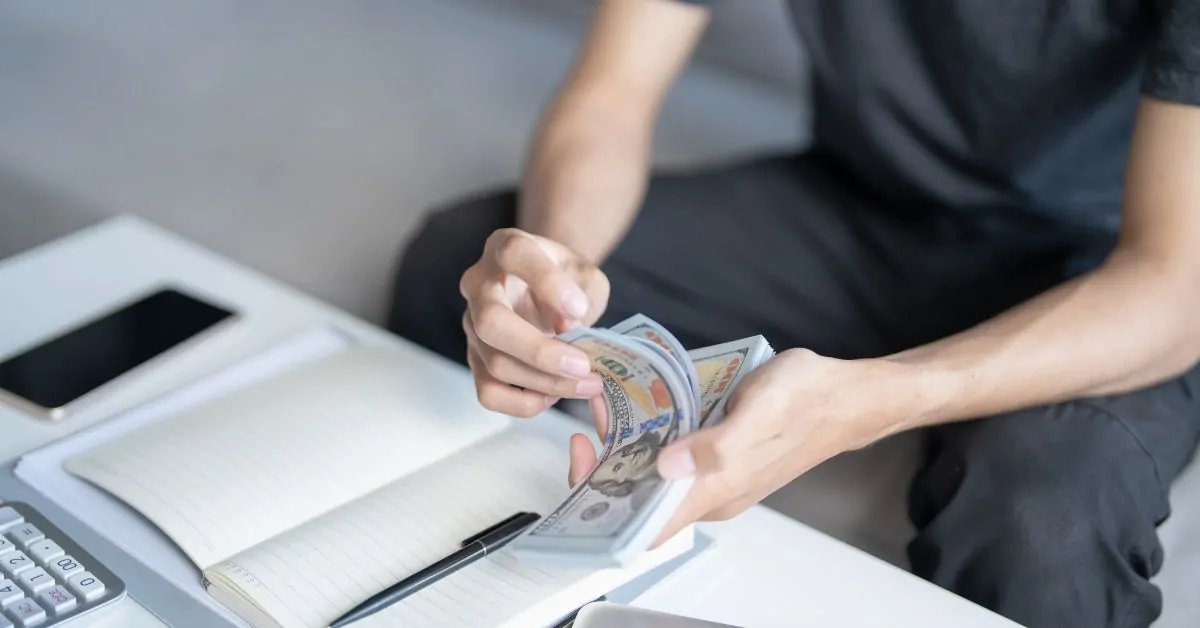
10 Old-Fashioned Money Habits to Bring Back, and Why They Still Work Today


My grandmother kept a small tin box on top of her kitchen cupboard. Every Friday, when her pay arrived, she put a few notes into that box before she bought anything else. That box paid for new shoes, winter coats, and small repairs around the house.
I remember the sound of that tin lid when she opened it on a Friday evening. She never earned a large wage, yet her home was always warm and her table was always full. Her secret was not a clever plan, and it was a set of old habits she had learned from her own mother.
This article is about ten old-fashioned money habits to bring back into daily life. Each one is simple, each one costs nothing to start, and each one has worked for ordinary families for a hundred years. You do not need a large pay rise or a clever scheme to use them.
Life today makes spending easy, and saving hard. One tap buys a meal, one click buys a coat, and the money leaves before you have time to think. The old habits slow that rush down, and they put you back in charge of your own money.
Read the ten habits slowly, and pick the one that fits your life today. Try it for one month, and watch what changes in your home and in your mind. Small old habits, kept with care, can change a family budget for good.
The short answer: The old-fashioned money habits to bring back are ten simple practices from the past, and they still work today. Pay yourself first, keep a written ledger, cook at home, repair before replacing, buy quality once, wait 30 days before a big buy, save coins in a jar, use what you have first, use the library, and spend less than you earn. Together they form a calm and steady way to keep more of what you earn.
Key Takeaways
- Pay yourself first on payday, before spending starts.
- Keep a written ledger and write down every coin.
- Cook at home and let one pot feed the family for two days.
- Repair before replacing and give old things years more life.
- Buy quality once, because a cheap buy twice costs more.
- Wait 30 days before a big buy and let most wants fade.
- Save coins in a jar, and 2 dollars a day becomes 730 dollars in a year.
- Use what you have first, from the cupboard and the wardrobe.
- Use the library for free books, free quiet, and free learning.
- Spend less than you earn, every month, without fail.
1. Pay Yourself First
Payday used to come with a small ritual in many homes. The wage arrived, and a part of it went straight into a tin box or an envelope before any shopping began. Saving was a fixed step, not whatever was left over at the end of the month.
My grandmother kept her tin box on the kitchen cupboard, and the lid only opened on payday. She put the same small sum in every week, and she never touched it for daily treats. That box held the money for shoes, coats, and repairs, and it never let the family down.
The habit works because it removes the daily choice to save. When the money leaves your hands first, you simply live on what is left. You do not need strong willpower each day, because the hard choice was made once, on payday.
Start with a sum so small that you will never miss it. A few notes each week, kept in a separate place, will grow into a real sum by the end of the year. The size matters less than the habit, and the habit matters more than any single sum.
Families who save this way often say the same thing after a year. They never felt the money leave, yet the pile is there when a real need arrives. A broken cooker or a school trip stops being a crisis, and it becomes a small problem with money already set aside.
The old way used cash and envelopes, and the new way can use a separate account with a standing move on payday. The tool does not matter, and the order matters. Saving comes first, spending comes second, and that order has fed families for a hundred years.
Try it this payday, and put the saving aside before you buy anything else. You will soon find that you can live well on what is left, and the small pile will grow without any fuss. This is the first of the old-fashioned money habits to bring back, and it is the one that makes all the others easier.
2. Keep a Written Ledger
A written ledger is a plain notebook where every coin is written down by hand. Each page shows what came in and what went out, and nothing hides. People who track spending see the leaks, and people who do not feel broke without knowing why.
A market stall holder in my town kept a small book beside his till, and he wrote down every sale before the next customer came. At night he added the numbers, and he knew to the coin what his day had earned. His book was small, yet it ran his whole stall.
You can do the same with a notebook that costs almost nothing. Write down each spend on the day it happens, and add the numbers once a week. The book will show you the small leaks first, and small leaks are the ones that drain a budget.
Most families are shocked by what the ledger shows in the first month. A daily snack, a small top up here and there, and a few treats that felt like nothing add up to a real sum. The ledger does not scold you, and it simply shows the truth in plain numbers.
Writing by hand has a power that a phone screen does not have. Your hand slows you down, and the slow pace makes each spend feel real. A number typed in a hurry is easy to forget, yet a number written in ink stays in the mind.
Keep the ledger simple, and do not turn it into a chore. One line per spend, one total per week, and one quiet look at the end of the month is enough. If you miss a day, write it down the next morning, and keep going without guilt.
After three months with a ledger, you will know your money better than most people know theirs. You will see which weeks are dear and which are cheap, and you will plan the dear weeks with care. A notebook and a pencil can teach you more about your money than a shelf of thick books.
3. Cook at Home
Home cooking is the oldest money habit of all, and it still saves more than any other. A pot of food made at home costs a fraction of the same meal bought outside. One pot can feed a family for two days, and two takeaway orders cannot do the same for the same money.
A big pot of soup tells the whole story in one meal. A bag of lentils, a few carrots, some onions, and a loaf of bread can feed four people twice over. The same money spent outside would buy one meal for one person, and the plates would still be empty by night.
Cooking at home also teaches the family to use what is already in the cupboard. A half bag of rice, a tin of beans, and a few spices can become a full dinner with a little care. The cupboard is often fuller than we think, and the shop is only one short walk away when it is not.
The habit is not about fancy cooking or long hours at the stove. A simple stew, a pot of rice and beans, or a tray of roasted vegetables can be ready in less than an hour. Cook once, eat twice, and let the second meal wait in the fridge for a busy day.
Children learn the habit by watching, and the lesson stays with them for life. A child who sees a parent cook with care will cook with care as an adult. The kitchen becomes a classroom where money sense is taught without a single lecture.
Start with two home cooked meals a week if the habit feels new. Buy the food for those two meals only, and cook them with the whole family helping. As the habit grows, add a third meal, and then a fourth, until home cooking is the normal way.
The money saved by cooking at home is quiet, yet it is real. It does not arrive in one large sum, and it arrives in small savings every single day. Over a year, those small savings can pay for a holiday, a repair, or a calm month with no worry.
4. Repair Before Replacing
A broken thing used to be a job to fix, not a reason to shop. A loose chair leg, a torn coat, a watch with a dead battery, each one could be mended at home for a few coins. Repair was a normal part of life, and it kept good things in use for years.
I once watched my neighbour mend a wooden chair on his front step, with a small pot of glue and two clamps. The chair had wobbled for a month, and he fixed it in one quiet afternoon. That chair is still in his kitchen today, and it has held his family through ten years of dinners.
A small repair often gives a thing years more life. A new button saves a good coat, a fresh battery wakes a good watch, and a dab of glue saves a wooden toy. The cost is tiny, and the saving is large, because a new thing costs far more than a small fix.
Repair also teaches patience and care, and those two lessons are worth more than money. A person who mends a chair learns how things are made, and a person who knows how things are made buys with more care. The habit slows the rush to buy, and it builds respect for what you already own.
Start with the easy repairs, and keep a small box of tools at home. A screwdriver, a needle and thread, a pot of glue, and a spare battery will fix most small breaks. You do not need a workshop, and a kitchen table with good light is enough.
Ask an older neighbour or a family member to show you one repair. Most people who grew up mending things are glad to teach, and one afternoon of learning can save you money for years. The skill is passed from hand to hand, just as it was in the past.
Look around your home today, and find one thing that needs a small fix. Mend it this week, and feel the quiet pride of a thing made whole again. Repair before replacing is a habit that saves money, and it also saves the good feeling of keeping what you love.
5. Buy Quality Once
A cheap item bought twice costs more than a good one bought once. That plain rule guided shoppers for a hundred years, and it still holds today. A good coat, a good pair of boots, or a good pan can serve a family for a decade, while a cheap one fails in a single winter.
Think of a pair of work boots bought for a low price, with thin soles and weak stitching. They look fine in the shop, yet they wear out in six months, and a second pair must be bought. Two cheap pairs cost more than one good pair, and the feet are colder all the while.
A good buy is not the dearest buy, and it is the one that lasts. Look for strong seams, solid soles, and honest materials that you can feel with your hands. A maker who builds for years will show it in the small details, and a maker who builds for one season will hide it.
Save up for the good buy instead of settling for the cheap one today. Put a little aside each week until the price is in hand, and then buy once with a calm mind. The wait is short, and the thing you bring home will serve you for years.
This habit also keeps the home free of clutter, because one good thing replaces three poor ones. A wardrobe with a few strong pieces is easier to use than a wardrobe full of thin things that wear out. Fewer things, kept well, make a calmer home.
Ask before you buy, and the question is simple, how long will this last. If the answer is one season, walk away, and if the answer is ten years, the price is fair. A seller who cannot answer the question is telling you all you need to know.
Buy quality once, and you buy peace of mind with it. The boots will not fail on a cold morning, the coat will not tear in the rain, and the pan will not warp in the heat. One good buy, kept with care, is worth more than a pile of cheap things.
6. Wait 30 Days Before a Big Buy
A want that arrives in a flash is rarely a real need. A bright tool in a shop window, a new coat in an advert, or a shiny gadget on a screen can feel urgent for a day. Wait 30 days, and most wants fade on their own, because they were only a passing mood.
A neighbour of mine once wanted a new lawn mower, and the old one still cut the grass well. He wrote the mower on a card, put the card on the fridge, and waited a full month. By the end of the month he had forgotten the new mower, and the old one is still cutting his grass today.
The wait works because time shows you what you truly value. A want that survives a month is a want that fits your real life, and a want that fades was only a mood from a hard day. The ones that survive are the ones worth buying, and the rest were never needed.
Use a simple card or a note on the fridge, and write the item with the date. If you still want it after 30 days, and the money is already set aside, then buy it with a calm mind. If the want has faded, cross it off, and keep the money for something that matters.
Talk about the wait at home, and let the whole family join in. A child who waits a month for a toy learns patience, and a parent who waits for a tool sets the example. The family learns together that waiting is not a punishment, and it is a calm way to choose well.
Set a clear line for the wait, and apply it only above that line. Daily needs like bread and soap need no wait, and the rule is for the larger wants that catch the eye. Many families pick a round sum that fits their pay, and they hold to it for a year.
Try the wait on the next thing that catches your eye, and watch how often the want simply fades away. A month is not long, and the money you keep is real. Waiting 30 days is a small act of patience, and patience is the heart of every old money habit.
7. Save Coins in a Jar
A jar on the kitchen shelf can hold a small fortune by the end of the year. Spare change from the day, kept every day, becomes real money with no effort at all. The habit is so small that a child can do it, and so steady that it never fails.
The maths is plain, and it needs no clever plan. Two dollars a day in a jar is 730 dollars in a year, and the sum grows a little every single day. A coin here and a note there may feel like nothing, yet the jar fills up all the same.
| Old habit | Small saving | Saving in one year |
|---|---|---|
| Save coins in a jar | 2 dollars a day | 730 dollars |
| Cook at home | 5 dollars a day | 1,825 dollars |
| Wait 30 days and skip one buy | 50 dollars a month | 600 dollars |
| Use what you have first | 3 dollars a day | 1,095 dollars |
Keep the jar where you can see it, and drop the change in each night. A glass jar works best, because you can watch the pile grow, and the sight of it keeps you going. When the jar is full, count it with the family, and put the sum toward a real goal.
Children love the jar habit, and it teaches them more than any lecture. A child who drops coins in each night learns that small sums grow, and a child who counts the jar at the end of the year learns the joy of saving. The lesson stays for life, and it costs nothing to teach.
The jar also catches the money that would have vanished in small treats. A coin left in a pocket is spent without thought, yet a coin dropped in a jar is saved with a smile. The habit turns lost change into found money, and it does so without any fuss.
You can keep more than one jar if you like, and each jar can hold a different goal. One jar for a holiday, one jar for a repair, and one jar for a gift can sit side by side on the shelf. The family can watch each goal grow, and the waiting becomes part of the fun.
Start the jar tonight, and put the first coins in before you sleep. You will be surprised how fast a small habit adds up, and you will be glad you started. A jar, a few coins, and a little patience can change the way a family thinks about money.
8. Use What You Have First
Before you buy anything new, look at what you already have at home. The cupboard, the wardrobe, and the shelf often hold more than we remember. Using what you have first is a habit that saves money, and it also saves the waste of buying twice.
A pantry can hide a full dinner if you look with care. A bag of pasta, a tin of tomatoes, a few herbs, and a heel of bread can become a warm meal for the whole family. The shop can wait until the cupboard is truly empty, and the family eats well all the same.
The wardrobe works the same way, and a coat you forgot can feel new again. Try on the clothes you already own, and you may find a warm jumper or a good pair of shoes waiting at the back. A forgotten item, worn with pride, costs nothing at all.
Finish one book before you buy the next, and the shelf will shrink in a good way. Many homes hold books that were bought with hope and never opened, and each one is money already spent. Read what you own first, and the next book will mean more when it comes.
The habit also clears the home, because using things up leaves space behind. A cupboard that empties is a cupboard that can be filled with care, and a shelf that clears is a shelf that can breathe. A tidy home feels calm, and a calm home makes saving easier.
Make a simple rule for the family, and keep it for one month. No new food until the pantry is low, no new clothes until the wardrobe is checked, and no new book until the last one is read. The rule is short, and the saving is real.
Use what you have first, and you will find that you already own more than you need. The habit turns a full cupboard into a full dinner, and a full wardrobe into a fresh outfit. It is a quiet habit, yet it can save a family a real sum each month.
9. Use the Library
A library card is the cheapest habit on this list, and it costs nothing at all. A library holds free books, free quiet, and free learning for anyone who walks in. A family that uses the library can read all year without buying a single book.
Take books home from the library, and read them at your own pace. A good novel, a book of history, or a guide to growing vegetables can all come home in one bag. When the books are read, take them back, and take home a fresh set for the next week.
The library is also a quiet place to think, and the quiet is free. A reading room with soft light and still air can give a busy mind an hour of peace. Many people go to the library for the books, and they stay for the calm.
Children who grow up with a library card grow up loving books. A child can take home stories, picture books, and tales of far away lands, all for free. The habit of reading, learned young, will serve that child for the whole of life.
A library card also opens the door to learning new skills. Books on cooking, mending, gardening, and money can teach a family how to save and how to live well. The knowledge is free, and it is there for anyone who asks.
Visit the library once a week, and make it a family outing. Let each person choose two books, and talk about them at home over dinner. The weekly visit costs nothing, yet it fills the home with stories and ideas.
Use the library, and you will find that learning need not cost money. The books are free, the quiet is free, and the habit is one of the oldest money habits of all. A library card in your pocket is a small thing, yet it can open a whole world.
10. Spend Less Than You Earn, Every Month
This is the oldest rule of all, and it is the one that holds the other nine together. If spending is below income, savings grow on their own, and if spending is above income, no salary is ever enough. The rule is simple to say, and it takes a steady hand to keep.
A family that spends less than it earns can sleep well at night. The rent is paid, the food is bought, and a little is left over for the saving pot. A small gap between earning and spending is the whole secret of a calm money life.
The rule does not ask you to live a hard life, and it asks you to live a little below what you earn. A smaller home, a simpler car, and a modest holiday can leave room for saving. The life is still full, and it is full of things that matter, not things that impress.
Watch the gap each month, and keep it open by a small sum. If the gap closes, look for one spend to trim, and trim it with a smile. A small trim today keeps the gap open, and an open gap keeps the family safe.
Many families earn well yet save nothing, because the spending rises with the pay. A bigger salary buys a bigger car and a bigger bill, and the gap never grows. The rule stops that trap, because it asks you to hold the spending still while the pay rises.
Teach the rule to your children with plain words, and they will carry it for life. Show them that money left over is money kept, and money kept is freedom. A child who learns this rule young will never fear a thin month, because the habit will be there.
Spend less than you earn, every month, and the old habits will do the rest. The tin box will fill, the ledger will balance, and the jar will grow. This is the last of the old-fashioned money habits to bring back, and it is the one that makes a family free.
Conclusion
These ten old-fashioned money habits to bring back are not new ideas, and they are old wisdom that still works. Pay yourself first, keep a ledger, cook at home, repair before replacing, buy quality once, wait 30 days, save coins in a jar, use what you have first, use the library, and spend less than you earn. Each one is simple, and together they form a steady way to live.
I hope one of these habits caught your eye, and you feel ready to try it this week. You do not need to start all ten at once, and one habit kept for a year beats ten habits kept for a week. Start small, keep going, and let time do the heavy work.
Tell a friend about the habit you pick, and ask them to pick one too. Two people keeping a habit together will keep it longer than one person alone. A short talk over tea can start a change that lasts for years, and the habit grows stronger when it is shared.
The old habits ask for a little patience each day, and patience grows stronger with use. A tin box, a notebook, and a jar may look small, yet they can change a family budget in a year. Keep the habits, keep the calm, and let the quiet savings grow.
Tonight, take one small step that shows you have seen the habits clearly. Put a few coins in a jar, write down what you spent today, or put a card on the fridge for a want you will wait on. One small step tonight is worth more than a large plan you never start.
Keep the habit through the winter, and watch what the spring brings. The jar will be full, the ledger will show a clear picture, and the saving pot will hold a real sum. Small habits kept through the cold months pay back in the warm ones, and the reward is a calmer life.
The old habits do not promise fast wealth, and they promise something better, a steady life with money set aside. A full jar, a balanced ledger, and a calm mind are worth more than any shiny buy. Start with the habit that speaks to you most, and keep it going through the year. The old way is still the sure way, and it is open to you today.