5 Daily Habits to Stay Mentally Sharp in Retirement, in the Spirit of Warren Buffett


Warren Buffett reads for five to six hours almost every day, even in his nineties, and he often says that knowledge builds up like compound growth. Retirement did not slow his mind, because he never retired his curiosity. That example holds a hopeful message for every person leaving full-time work. I find that example hopeful, and I try to copy his reading habit in my own mornings.
Many people fear that retirement will dull their minds. Work gave them problems to solve, people to talk to, and a reason to get up early. When work ends, those gifts can fade, but only if nothing replaces them. A few daily habits can replace them fully, and even improve on them.
This article shares five daily habits that keep the mind sharp after retirement, in the spirit of Buffett’s simple and patient approach. Each habit is easy, cheap, and proven by research. Together they build a retirement that is active, social, and mentally alive.
Key Takeaways
- Reading daily builds knowledge that compounds over time, just as Buffett has shown for decades.
- Walking each day feeds the brain with oxygen and improves memory in older adults.
- Games, puzzles, and learning new skills keep the brain flexible and curious.
- Real conversation and a steady daily routine protect memory and mood together.
Habit 1: Read Every Morning Like It Is Your Job
Buffett starts his day with newspapers, reports, and books, and he treats reading as his main work. Retired people can copy that rhythm on a smaller scale, by giving the first hour of the morning to reading. Morning reading sets a sharp tone for the whole day.
Reading works the brain the way walking works the legs. Studies of older adults have found that people who read regularly show slower memory decline than those who rarely read. The brain stays active when it follows stories, arguments, and new facts each day.
Choose a mix of material to keep reading fresh. A newspaper keeps you connected to the world, a nonfiction book teaches you something new, and a novel trains memory as you follow characters and plots. Variety is as good for the mind as it is for the diet.
Read with a pencil and a notebook nearby, and write down one idea worth remembering. This small act forces the brain to process the idea deeply instead of letting it slide past. Over a year, the notebook becomes a record of a growing mind.
Join a reading group if you can, because talking about a book doubles its benefit. Explaining your view to others tests your memory and sharpens your thinking. A weekly group also adds friendship to the habit, which the brain loves.
Start with twenty to thirty minutes if an hour feels too much. The length matters less than the daily rhythm, because a short daily habit beats a long weekly effort. After a month, most readers find they want more time, not less.
Think of morning reading as your new job, with no boss and no deadline. It pays in knowledge, conversation, and a mind that stays curious for decades after work ends.
Habit 2: Walk Every Day, Rain or Shine
Walking is the simplest brain exercise ever discovered, and it needs no gym, no gear, and no skill. A brisk thirty-minute walk each day sends more blood and oxygen to the brain, and research links regular walking to better memory in older adults. The feet move, and the mind follows.
One well-known study found that older adults who walked regularly had larger brain areas linked to memory than those who sat most of the day. Walking also lowers stress hormones, which damage memory when they stay high for months. A daily walk is medicine with no side effects.
Walk at the same time each day to make it automatic. A morning walk after breakfast or an evening walk before dinner fits easily into most routines. When the habit has a fixed slot, bad weather and low mood have less power to cancel it.
Walk with a friend or a neighbour when you can, because walking plus talking is a double workout. Conversation forces the brain to listen, recall words, and respond quickly, all while the body moves. Many retirees say their best talks happen on walks.
Vary your route to keep the brain alert. A new street, a park path, or a market lane gives the senses fresh information to process. A brain that navigates new places stays flexible, while a brain on the same route every day runs on autopilot.
Count your steps if numbers motivate you, but do not let the count become a chore. Ten thousand steps is a fine goal, yet even five thousand steps a day brings real benefit for someone who was mostly sitting. Progress beats perfection at every age.
Put on comfortable shoes, step outside, and let the walk do its quiet work. Your body will feel better, your mood will lift, and your mind will thank you with clearer thinking all day.
Habit 3: Play Games That Make You Think
Buffett has played bridge for decades, and he credits the game with keeping his mind quick. Bridge, chess, crosswords, and card games all force the brain to plan, remember, and adapt. Play is not a waste of retirement time, and it is one of the best uses of it.
Games train working memory, which is the brain’s ability to hold and use information for a short time. A card player must remember which cards were played, a chess player must plan several moves ahead, and a crossword solver must search memory for the right word. Each game is a gym session for the mind.
Choose games you enjoy, because enjoyment keeps you playing for years. A game you love will be played daily, while a game you force yourself to play will be abandoned in a week. Fun is not the enemy of brain health, and fun is the fuel for it.
Play with other people whenever possible, because social games add laughter, talk, and gentle competition. A weekly bridge club or chess group gives retirees a reason to leave the house and a circle of friends who notice when they are missing. That social net protects health in many ways.
Try a new game every few months to keep the challenge fresh. Learning new rules forces the brain to build new connections, which is exactly what keeps it flexible. A mind that only plays one familiar game can still grow dull, while a mind that learns stays young.
Digital brain games can help too, but they should not replace real games with people. An app can train speed and memory, yet it cannot replace the conversation, humour, and human warmth of a table full of friends. Use apps as a supplement, not a substitute.
Set aside thirty minutes a day for play, and treat it as seriously as any appointment. A playful mind is a sharp mind, and a sharp mind makes retirement far more fun.
Habit 4: Talk to Real People Every Day
Conversation is one of the strongest protectors of memory, and research keeps proving it. Older adults with active social lives show slower mental decline than those who live in isolation. Talking forces the brain to listen, recall, judge, and respond in real time, which is a full workout.
Retirement can shrink social circles fast, because work friends fade and daily contact drops. Wise retirees rebuild that circle on purpose, by joining clubs, volunteering, or simply calling a friend each day. Social life after retirement needs planning, just like money does.
Make one real conversation a daily goal, not a weekly hope. A phone call to a child, a chat with a neighbour, or a coffee with an old friend all count. The key is a real exchange of ideas, not a quick greeting at the shop counter.
Volunteering is a powerful way to meet people and stay sharp at once. Helping at a school, a library, or a charity gives the day purpose and brings new faces into your life. Purpose itself protects the mind, because a person with a reason to rise stays mentally active.
Listen deeply in conversations instead of waiting for your turn to speak. Deep listening trains attention and memory, and it makes people want to talk to you again. Good listeners keep more friends, and more friends keep the mind sharper.
Teach what you know to younger people, because teaching is a social act and a brain exercise at once. A retired engineer who mentors students, or a retired cook who teaches recipes, stays sharp by organising knowledge for others. Sharing wisdom keeps wisdom alive.
Protect your friendships like you protect your health, because they are health. A day with a good conversation is a day your brain grew stronger, and a life full of such days is a life that stays bright.
Habit 5: Keep a Steady Daily Routine
Buffett is famous for a simple, steady routine, with the same breakfast, the same reading hours, and the same calm pace. Routine may sound boring, but for the brain it is a gift. A steady rhythm frees mental energy for learning and enjoyment instead of wasting it on daily decisions.
A routine protects sleep, and sleep protects memory. Going to bed and waking at the same time each day helps the brain store the day’s learning overnight. Poor sleep is one of the fastest ways to dull memory, and a steady routine is the simplest cure.
Build your routine around fixed anchors, like a morning walk, a reading hour, and an evening call. Anchors give the day shape, so even a slow day has purpose. A day with shape rarely slides into hours of television and low mood.
Leave room in the routine for surprise and variety. A fixed frame with flexible contents works best, because the frame gives stability while the contents give novelty. Visit a new place each week, try a new recipe, or learn a new skill inside the same daily rhythm.
Write the routine on paper and keep it visible. A written plan is easier to follow than a vague intention, and ticking off each part brings a small sense of achievement. That daily sense of completion builds confidence and calm.
Review the routine each month and adjust what is not working. A routine should serve your life, not imprison it, so change the parts that feel stale and keep the parts that bring joy. A living routine grows with you, while a rigid one breaks.
A steady routine is the quiet foundation under the other four habits. It makes reading, walking, playing, and talking happen every day, not only on good days, and that daily rhythm is what keeps a mind sharp for years.
Conclusion: Sharp Minds Are Built Daily, Not Found
None of these five habits requires talent, money, or youth. Reading, walking, playing, talking, and keeping a routine are open to everyone, and they work best together. A retiree who practises all five has a daily system for a sharp mind, not a single trick.
Start with the habit that sounds most enjoyable, and add the others one by one. Enjoyment matters, because a habit you like survives bad weeks, while a habit you hate dies at the first rainy day. Build on pleasure, and discipline will follow. I started with walking, and it quickly became the best part of my day.
Give each new habit at least a month before judging it. The first weeks feel awkward, and the benefits appear slowly, like savings growing steadily in an account. Buffett waited decades for compound growth, and your brain rewards the same patience.
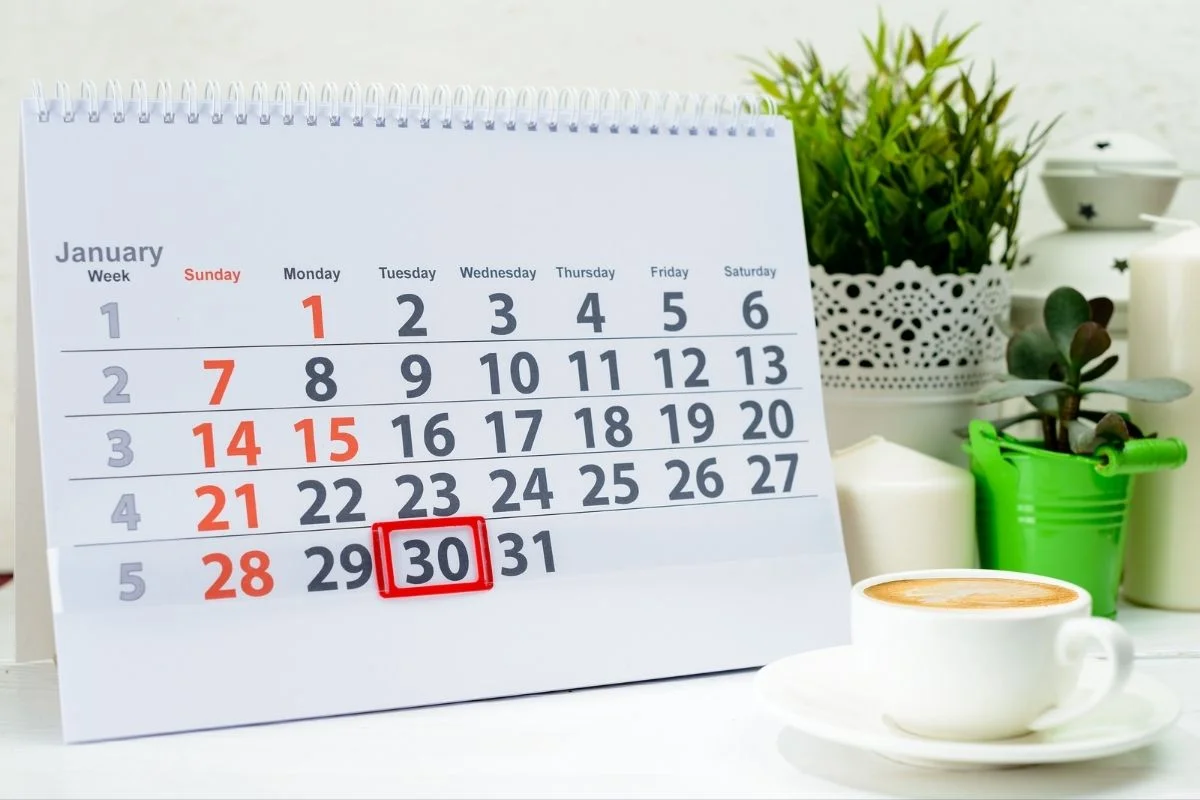
Track your habits simply, with a tick on a calendar for each day you read, walk, play, talk, and follow your routine. A row of ticks is motivating, and a broken row is a gentle reminder, not a failure. Return the next day and start the row again.
Share these habits with a spouse or a friend, because a partner makes every habit easier and more fun. Walking together, reading the same book, or playing the same game turns brain health into shared joy, and shared joy lasts longer than solo effort.
Age changes the body, but it does not have to dull the mind. Research shows that older brains keep growing new connections when they are used well, and retirement gives you the time to use yours fully for the first time in decades.
Begin tomorrow morning with a book, a walk, and a call to a friend. Do it again the next day, and the next, and you will build the kind of retirement Buffett models so well, which is active, curious, and sharp to the very end.