30 Clever Ways to Save Money

Do you know saving money often begins not with numbers, but with noticing the small, almost invisible moments where we let life slip by with quiet expenditures. It isn’t always about discipline or clever hacks, it’s about a certain kind of attention, a way of quietly observing how we interact with the world and our own impulses. I’ve spent years thinking about it, sometimes out of necessity, sometimes just out of curiosity, and I’ve come to see patterns that feel more human than mathematical.
There’s a subtle shame in thinking we “should” be saving more, paired with the strange relief when we realize we’ve already been doing small things without even labeling them. Saving money is, in its way, an act of self-reflection. You notice what matters, what can quietly wait, and what really doesn’t. These thirty approaches aren’t tricks; they’re glimpses into habits that quietly protect both your wallet and your sense of calm.
Effective Budgeting Tools for Beginners
When you are new to budgeting, the hardest part is not math. It is emotional friction. Tracking spending can feel confronting. Planning ahead can feel restrictive. So the best tool is not the most complex one. It is the one you will actually use consistently.
Over the years, I have noticed that beginners succeed when the tool matches their personality and lifestyle. Not when it promises perfection.
Here are the most effective budgeting tools for beginners, compared clearly.
Comparison Table
| YNAB | App based | Paid | Hands on planners | Zero based budgeting structure |
| Mint alternative apps like Monarch | App based | Paid | Visual learners | Automated tracking and reports |
| EveryDollar | App based | Free and paid | Simple zero based users | Clean interface |
| Excel or Google Sheets | Spreadsheet | Free | Analytical thinkers | Full customization |
| Pen and paper method | Manual | Free | Reflective personalities | Deep awareness |
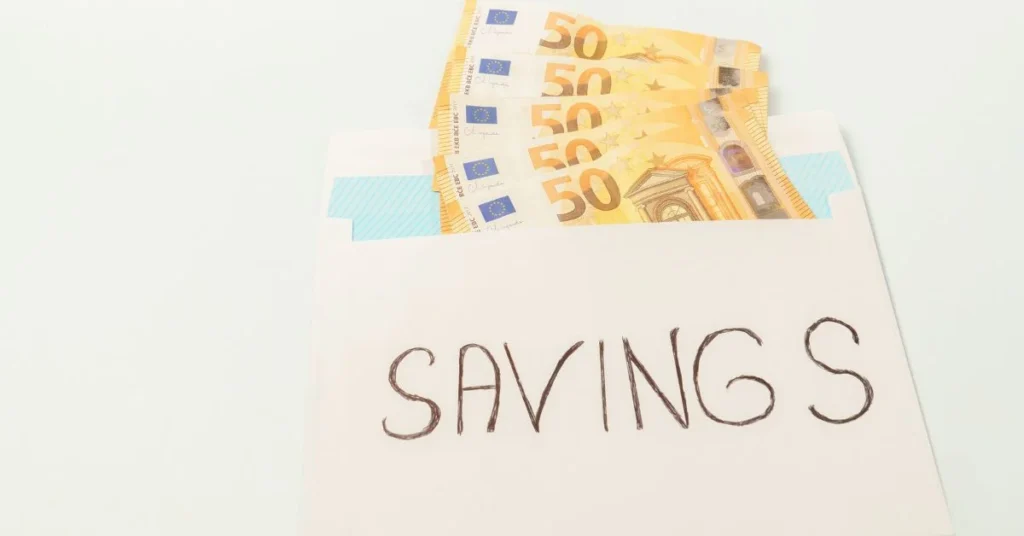
| Envelope system | Cash based | Free | Impulse spenders | Physical spending control |
How to find discounts on groceries without coupons?
Shop at Markdown Hours
Visit early morning or late evening when stores reduce prices on meat, bakery, and prepared foods.
Look for Manager Specials
Scan shelves for unadvertised discounts on items nearing their sell by date.
Choose Store Brands
Store labels often offer similar quality at a lower price than name brands.
Check Unit Pricing
Compare price per ounce or pound instead of relying on the sticker price.
Buy Seasonal Produce
Fruits and vegetables cost less when they are naturally in season.
Plan Meals Around Sales
Build your weekly meals based on what is already discounted.
Scan Clearance Sections
Look for shelves with discontinued or overstocked items at reduced prices.
Limit Grocery Trips
Fewer visits reduce impulse purchases and unnecessary spending.
Join Free Loyalty Programs
Many stores apply automatic discounts when you scan your membership.
Avoid Pre Cut Items
Whole ingredients are almost always cheaper than pre-prepared versions.
Practical Ways to Reduce Energy Consumption at Home
Energy savings come from three areas: behavior changes, efficiency upgrades, and smart monitoring. The highest returns usually come from heating, cooling, and water use. These account for the largest portion of household utility bills in most countries.
Below is a clear breakdown of actions, effort level, and financial impact.
| Action | Upfront Cost | Difficulty | Potential Savings | Why It Works Financially |
|---|---|---|---|---|
| Adjust thermostat by 1 to 2 degrees | None | Easy | 3 to 10 percent annually | Heating and cooling are the largest energy expenses |
| Install LED bulbs | Low | Easy | Up to 75 percent less lighting energy | LEDs use less power and last longer |
| Seal air leaks around doors and windows | Low | Moderate | 5 to 20 percent heating savings | Prevents conditioned air loss |
| Use cold water for laundry | None | Easy | 5 percent per load | Water heating consumes significant electricity |
| Install smart thermostat | Moderate | Moderate | 10 to 15 percent heating and cooling savings | Reduces waste during unoccupied hours |
| Reduce water heater temperature to 120°F | None | Easy | 4 to 10 percent water heating savings | Prevents overheating water |
| Unplug idle electronics | None | Easy | 1 to 5 percent total bill | Eliminates standby power draw |
| Upgrade to energy efficient appliances | High | Moderate | 10 to 50 percent appliance energy reduction | New models use significantly less power |
| Use ceiling fans properly | Low | Easy | Reduces AC usage | Improves air circulation efficiency |
| Install attic insulation | Moderate to High | Moderate | 10 to 20 percent heating and cooling savings | Reduces thermal transfer |
1. Let your purchases breathe
A pause can reveal more than a calculation ever could. Leaving an item in your cart overnight often turns desire into distraction. There is a kind of honesty in letting the urge cool, a way to see what truly matters.
2. Listen to what you already own
Many of us forget the quiet value in what’s already here. I sometimes find a sweater or a tool I hadn’t touched in months and realize I don’t need a new one. Gently reacquainting yourself with your possessions reminds you of sufficiency.
3. Choose experiences over things
It took me a long time to notice that a memory often lasts longer than a new gadget. I’ve found that dinners with friends or quiet walks in the park carry a wealth beyond their modest cost.
4. Embrace the art of borrowing
Libraries, friends, and community spaces quietly teach you restraint. I once borrowed a single book that shaped an entire month’s thinking, and the cost was nearly invisible. Borrowing isn’t deprivation it’s connection.
5. Eat with intention
Meal prep and mindful eating can feel mundane until you notice how often unconscious choices drain both money and energy. There’s a subtle satisfaction in slowing down and asking whether you really want that snack or that takeout.
6. Rethink subscriptions
They sneak in quietly, a small monthly leak. I’ve canceled many, only to realize I hadn’t missed them at all. Watching your digital commitments with a calm eye can feel surprisingly liberating.
7. Let light touch your home
Natural light can make rooms feel full, reducing reliance on electricity. I’ve become more aware of when lamps turn on out of habit rather than need. Sometimes small environmental awareness quietly saves more than you think.
8. Walk when you can
I’ve discovered that walking isn’t just about saving money on transportation it’s about noticing the neighborhood, the rhythm of your own mind. Each step is both an economy of cost and a gain in presence.
9. Repair over replace
There’s an almost meditative quality in mending things. I’ve patched shirts, fixed leaky faucets, and discovered that a bit of patience stretches both objects and budgets.
10. Make lists, and read them slowly
Writing down needs and desires forces a quiet assessment. I’ve found that reading a list aloud often changes my perception, separating genuine want from momentary impulse.
11. Harness the power of cash
Physically seeing money leave your hands feels different than swiping a card. I’ve noticed that cash makes expenditure real, almost tactile, and that subtle awareness prevents excess.
12. Take advantage of seasonal sales
I’ve learned that patience rewards the observant. A coat bought in summer, a plant in spring timing quietly shifts the cost without demanding sacrifice.
13. Cultivate small pleasures at home
Coffee brewed slowly, a sunset watched from your window, music played at the right moment they cost little but feel vast. I’ve realized that these small indulgences prevent the desire for costly alternatives.
14. Shop with a quiet rhythm
Grocery trips are not a race. I’ve noticed that moving slowly, reading labels, and strolling aisles without pressure reveals choices I would otherwise miss and money I wouldn’t spend.
15. Share your knowledge
Teaching a friend to cook, repair, or organize can reduce the need to hire services. I’ve learned that generosity in skills quietly multiplies value for both parties.
16. Learn the art of waiting
A desire deferred often loses its grip. I’ve observed that letting weeks pass before purchasing helps distinguish fleeting wants from lasting needs.
17. Keep a ‘surprise fund’
Unexpected expenses always arrive. I’ve found that a quietly growing buffer, no larger than necessary, shields both wallet and peace of mind.
18. Rethink transport modes
Car trips are costly in subtle ways. Walking, cycling, or public transport slows the day and sharpens attention to surroundings, while quietly preserving funds.
19. Make your own gifts
A handwritten note, baked bread, or crafted object often carries more weight than a store-bought item. I’ve seen how these small gestures feel richer and save quietly.
20. Audit your energy use
I’ve noticed small habits leaving chargers plugged in, lights on accumulate in cost and unnoticed friction. Awareness alone softens both bills and unconscious waste.
21. Buy quality, not quantity
It took years to understand this. A single well-made item can outlast several cheaper ones. The investment feels deliberate, measured, and calm.
22. Pause before eating out
Restaurant meals are convenient, but also quietly habitual. I’ve learned that a moment of reflection often uncovers a home-prepared alternative that satisfies just as fully.
23. Set gentle limits on entertainment
Streaming and apps are endlessly seductive. I’ve discovered that quiet curation letting only a few favorites persist frees both time and money.
24. Track your spending with kindness
Instead of strict budgets, I note patterns and reflect. Seeing where money quietly slips away teaches me more than guilt ever could.
25. Grow something small
Herbs on a windowsill, a tomato plant in a pot. I’ve found that tending life produces both joy and modest savings, with patience as the quiet reward.
26. Use loyalty slowly
Coupons, points, and offers are rarely urgent. I’ve noticed that waiting for genuine need transforms these tiny advantages into meaningful savings.
27. Cook in batches
Large meals broken down into small servings quietly stretch resources. I’ve found that the rhythm of cooking once and enjoying twice or thrice feels oddly indulgent without the cost.
28. Simplify your wardrobe
Fewer choices make life calmer. I’ve discovered that rotating a small, thoughtful collection reduces both expense and daily friction.
29. Revisit your habits every month
A gentle check-in reveals invisible leaks. I’ve learned that the act of looking itself saves more than any single tactic.
30. Accept imperfection in frugality
Sometimes money is spent, sometimes not. I’ve realized that saving is not about perfection, it’s about noticing, adjusting, and letting the rest go without silent reproach.
Key Observations
- Quiet attention often saves more than strict rules.
- Delays and pauses reveal what truly matters.
- Connection, repair, and presence often replace cost without loss.
- Small, deliberate acts accumulate into meaningful change.
- Imperfection is a natural part of thoughtful saving.
Conclusion
To conclude, I’ve come to see that saving money is less about being clever and more about noticing, like how you live, how you respond, and what you choose to value. It’s an ongoing conversation with yourself.
In a way, the money saved is almost secondary to the self-awareness gained along the way. It reminds me of something Thoreau hinted at: that simplicity is rarely imposed; it’s discovered quietly, step by step.