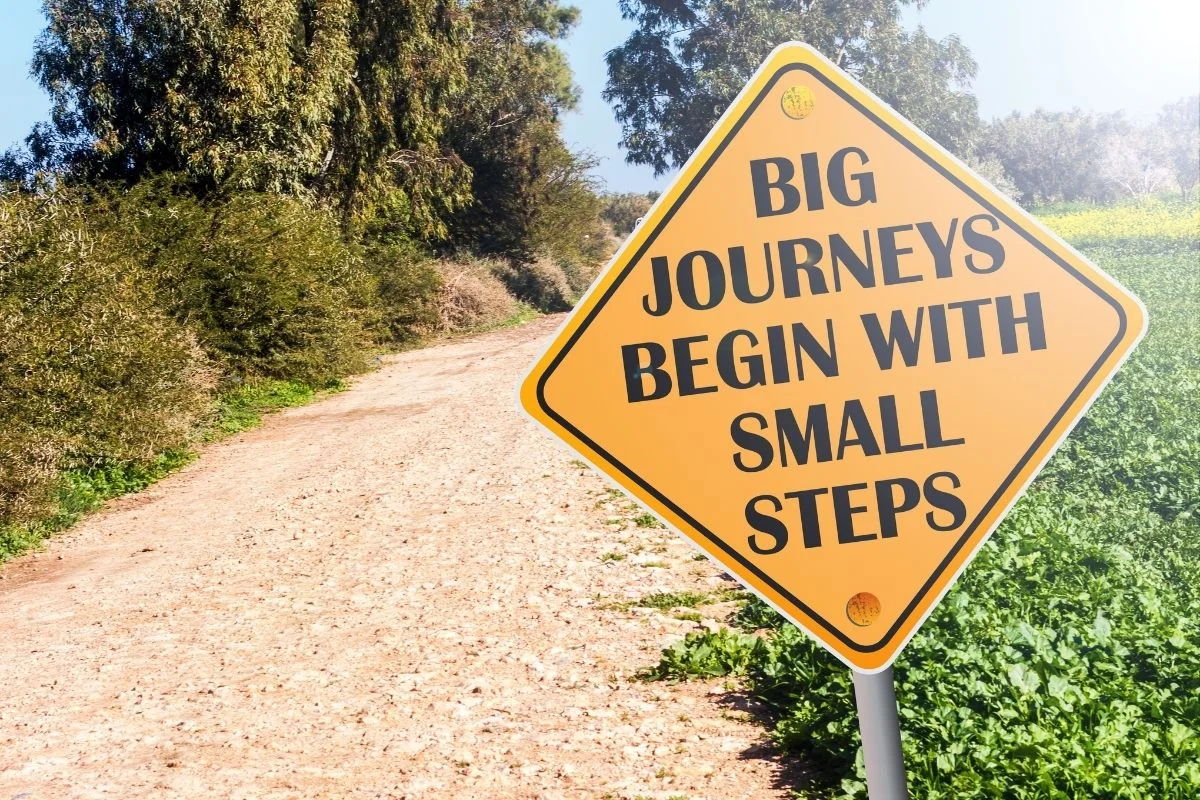
10 Toxic Attitude Habits That Quietly Ruin Your Growth (And How to Fix Them)
Most of us think the thing holding us back is out there. The bad luck. The wrong time. The people who did not help when they should. But a lot of the real damage? It comes from in here. From small ways the mind holds on to old things. From quiet habits that feel fine on most days but chip away at growth in a way that is hard to see till it is too late.
This is not about one bad day or one poor move. This is about the slow drip. The kind of habit that does not feel like a problem until you look back and see a full year has gone, and the same spot is still where you stand.

What comes next are ten of those habits. Not the kind you find in every list on every page. These are the ones that hide in plain sight. The ones that feel like care, or wisdom, or self-love, but are in fact the very thing that keeps a person stuck. And for each one, there is a real fix. Not a tip. A shift in how the mind sees the thing.
1. You Wait to Feel Ready and That Wait Has No End
There is a feeling most of us know well. The plan is set. The idea is clear. But something in the mind says, not yet. Wait till the time is right. Wait till the fear is gone. Wait till the path feels safe. And so the wait goes on. One week. One month. A year. Then more.
The strange part is that this wait does not feel like a block. It feels like care. Like the mind is being wise and slow and sure. But what is really going on is that the mind is scared, and fear has a special gift: it can dress up as good sense. It can look like smart planning when it is really just a slow stop.
A lot of people who feel stuck are not short of skill or time or help. They are short of the will to start when it does not feel safe. And the truth is, it will not feel safe. Not at the start. Not in the middle. Not at the end. That feeling of “ready” is not a door that will one day swing open on its own. It is a story the mind tells to keep things calm and still.
The fix is not to feel brave. The fix is to know the wait is not real. The one who moves first does not feel less fear. That person just does not wait for the fear to go away. They move, and fear has to come with them. That is the only way it ever works.
Most of the best moves in life were made by people who were not ready. They had half a plan and a lot of doubt. They went anyway. And that gap, the one between not ready and going anyway, that is where real growth lives.
2. You Turn Each Small Slip Into Big Life Proof
Here is a quiet trap most of us fall into and do not catch. One thing goes wrong. A call that did not land. A try that did not work. A day where the best was not good enough. And in that moment, the mind does not say that was one bad try. The mind says this is who I am.
That leap from one event to a life fact is fast. So fast most of us do not see it. But it is there, and it does real harm. Because once the mind files a slip as proof of who a person is, that person stops trying. Why try if the proof is already in?
Psychologists call this overgeneralizing. But the word does not need to be big to name the thing it points to. It is the voice that says of course that did not work when things go bad. It is the part of the mind that keeps a long list of every time things went wrong and adds to it fast, but never keeps a list of the times things worked out just fine.
A small fail is not a life fact. It is just one data point. One try. One result. A person who grows sees it that way. They look at the fail with a kind of calm: what went wrong, what was in their hands, what can go better next time. That is all. No big story. No life proof. No final word.
The habit of turning slips into proof is so common because the mind wants to stay safe. If a person can tell early that they will fail, they can stop before the pain gets big. But that is not safety. That is just a smaller cage with a soft name.
The fix is to treat each slip as data, not as truth. One bad day is not a map of a whole life. It is just one day.
3. You Stay Busy So You Don’t Have to See What’s Real
Busy feels good. There is a kind of peace in a full list. When the day is packed and the tasks keep coming, there is no room left to ask the hard questions. No time to sit with the thing that needs to be seen. No space to face the part of life that is not going where it should.
This is not a new idea. But the way it shows up in daily life is more quiet than most think. It is not just the one who works long past dark. It is also the one who scrolls for two hours at night. The one who always has a plan when the house feels too still. The one who fills the quiet with sound, not because they love the sound, but because the quiet asks things they do not want to answer just yet.
Busy is a form of hiding. Not the kind that looks like hiding, but the kind that looks like drive and care and real work. That is what makes it so hard to see and call out. The world rewards busy. It calls it work ethic. It calls it passion. But some of the time, it is just fear with a full schedule and a long to-do list.
The real work, the kind that leads to growth, often lives in the slow hours. In the walk with no phone. In the sit with a blank page. In the space where the mind has to meet itself. Most of us run from that space. And growth waits there, patient, till we come back and stay.
If the day ends and a person feels worn but not full, that is the sign worth paying attention to. Busy is not the same as real. A full list is not the same as a full life. The fix is to make some room in the day for nothing. Not for rest in the way we sell rest. For real quiet where the mind can hear itself think.
4. You Watch Their Win and Lose Your Own Track
There is nothing wrong with seeing how others do well. A bit of it can push a person to work harder, think wider, go further. But most of us take that bit and turn it into something that does not help at all.
The moment a person starts to measure their own life by the pace of someone else’s life, something breaks. Not in one big crash but in small, slow ways. The joy from a good day goes thin. The pride from a step forward goes flat. What is left is a feeling that what was done is not enough because it is not what they did.
Social media made this worse in ways that are hard to count. The feed is not real life. It is the best of real life, cut and framed and lit. The wins with no context. The highs with no lows in view. A person who checks the feed and feels small is not weak or sad. They are just comparing their full, messy, real life to a highlight that was set and staged.
The fix is not to stop seeing others win. The fix is to stay on your own track. To know that their mile two is not your mile two. Their start was not your start. Their gifts are not your gifts. Growth is not a race where all start at the same line at the same time. It is a path that each person has to find and walk at their own pace with their own steps.
One of the more useful things a person can do is stop checking where others are and start checking where they were six months back. That gap, the one between your own past self and your now self, is the only gap that tells the real truth.
5. You Ask for a Yes Before You Even Start
This one is subtle. It does not look like fear. It looks like care. It looks like wanting to be smart and safe and sure. But what it is, at the root, is the need for someone else to say it is okay before a person gives themselves the right to try.
Some of us grew up in rooms where the yes had to come from outside. A parent. A teacher. A group. And so the lesson was learned to wait for that yes. The inner sense of a thing was not enough. The move had to be cleared before it could be made.
That pattern does not just go when we grow up. It shifts. It starts to look like needing advice before every single choice. Asking what people think before sharing any work. Posting and then watching the numbers to find out if the thing was good. The vote comes from outside. Every time. Always.
The slow cost of this is that a person stops trusting their own read of things. The inner voice gets quiet because it is never the one that gets the last word. And after a long time of that, a person does not even know what they think or want until someone else says so first.
There is a kind of growth that only starts when a person stops asking for the yes from outside. When the inner read gets to go first. Not all the time. Not with no check at all. But enough that the person knows their own mind and trusts it enough to lead them.
6. You Hold Tight to Ideas You Never Once Tested
Most of us have a set of things we believe about how life works. About what kind of person we are. About what is possible and what is not. These ideas were formed a long time back, often in moments of pain or fear or small rooms with small skies above them.
The strange thing is that most of these ideas are never tested. They are just held. Carried from year to year like old bags that no one checks to see what is still in them. And because they are never tested, they never change. And because they never change, they keep the person in the same place, year after quiet year.
One of the most common held beliefs is this one: this is just how I am. A person who holds this belief about being a bad talker will not try to talk in a room where it counts. A person who thinks they are bad with money will not look too hard at the ways they can get better with it. The belief acts like a wall. Not a real wall. A wall made of old words said once and never said no to.
The truth is that most fixed ideas about the self are just old data. Data from a time when the help was less, the skill was still being built, and the world felt much more fixed. Holding on to that data as if it is still the full truth is like using a map from ten years back and then acting lost when the roads have all changed.
The fix is one small question asked on a regular basis: is this still true? Is this belief still based on what is real now, or is it just what was believed a long time back in a different room? That question, asked often, keeps the mind open and moving. And an open mind is the only kind that ever really grows.
7. You Pick the Safe Side More Than You Pick What’s New
The safe zone is not a bad place. It is where things are known and the risk is low and the day has a shape that feels right. Most of us build it on purpose and call it a routine, a life, a good plan. And for a while, it works just fine.
But there is a point where the safe zone stops being a place of rest and starts being a place of hiding. That point is different for each person. For some it is a job they know too well and have stopped growing in. For some it is a way of being in groups that never asks them to stretch beyond what is known. For some it is a daily flow that feels calm but is slowly turning into slow.
What makes this hard to see is that the safe zone is comfortable by its own design. It does not hurt. It does not ask much. And the world outside of it, the one where the new and the hard things live, does not feel like growth when you are standing at its edge. It feels like risk. It feels like loss before the gain is even in sight.
Growth never feels like growth in the moment it is happening. It feels like unease. Like the kind of tension that comes when a thing is not yet known and the body does not know how to hold it. The person who has not yet learned to sit with that tension will always run back to the safe zone. And each time they run back, the zone gets a little smaller and the world outside feels a little more wide and hard.
The fix is not to blow up the safe zone in one big move. It is to expand it, slow and steady, by stepping just past the edge on a regular basis. Not the big leap. The small step. Done again and again, that is the real shape of growth.
8. You Talk the Plan and Never Do the Work
There is a specific kind of person most of us know or have been at some point. They know a lot about what they want to do. They can talk about it with fire and full detail. They have thought it through from all sides. They have a name for it. Maybe even a rough plan drawn on paper. But if you check back in six months, the thing is still in the talk stage, right where it was.
This is more common than most think, and it is not laziness in the way people picture it. It is something more quiet and more tricky. The act of talking about a plan gives the brain a small taste of the feeling that comes when the plan actually works. The mind does not know the talk from the act. It just picks up: this feels like progress. And so the drive to do the real work gets a little less each time the plan is shared out loud.
Research in this area, some of which came from the work of Peter Gollwitzer at NYU, shows that telling people your goal early can make you less likely to reach it. Not more. Because the telling gives a taste of the win before the work is done. And once the taste is there, the fire for the work dims just a bit.
Most of us have done this. The goal that was shared too early. The plan that was talked through so many times it started to feel done. And then one day the energy for it was just gone and no one could say exactly when it left.
The fix is not to stop having plans. It is to talk less and do more. To let the work show before the words do. To give the plan room to become real before it becomes a story told at dinners. The best things, the ones that last, tend to be built in quiet before they are ever seen by anyone.
9. You Bring the Old You Into Every New Room
When a new thing starts, a new job, a new place, a new group, most of us bring everything with us. Not just our skills and our care and our good parts. Also the story of who we have been. The limits that were placed on us long back. The roles that were given in old rooms and never handed back when we left.
This is hard to see because the old story feels like the truth. If a person spent years being the quiet one in a group, they will walk into a new group and feel quiet, even if that group would welcome them loud and open. The label from before acts like a script, and the script does not know it is now in a new show in a new room with new people.
The problem with bringing the old self into new rooms is that the new room never gets to teach the person who they can be in it. It just gets to confirm who they thought they were before they walked in. And so the new room, which was meant to be a chance, becomes just more of the same old thing.
People change more than they think they can. The science on this is clear and has been for some time. But the change only starts when the old story is not the one that leads. When a person walks into the new room and holds, in a quiet way, the thought that this is a new start, and the past does not have to come in with them.
That does not mean the past is gone or erased. It means it does not get to vote on what comes next. The fix is to enter new rooms with a soft kind of open. Not with a plan of who to be. Just with the will to see who shows up when the old script is left at the door.
10. You Keep the Score of Every Single Thing
Some of us carry a ledger. Not a real one made of paper. But in the mind, there is a count of who did what, who gave more, who said what, who did not show up when they should have. It is kept with care and updated often. And it does real harm in ways that build slow.
The score feels like justice. Like a way of keeping things fair and honest. But what it is, most of the time, is a drain. It takes focus away from the now and puts it on a past that can not be changed by any act of counting. It turns each new moment with a person into a quiet check against the old count.
All kinds of bonds, not just the close ones, need some room to be uneven at times. There will be moments when one person gives more. There will be days when the balance is off and that is just life being life. If every moment is being scored, then no moment is just allowed to be what it is. The grace that makes things real is gone before it even has a chance to land.
The score-keeping habit also tends to feed on itself. The more the count grows, the more the mind finds things to add to it. The mind looks for proof of what it already thinks, and so the score never falls on its own. It only ever climbs higher.
Letting the score go is not the same as letting people walk on you or treat you in ways that are not right. It is the act of choosing what the mind gives its time and its weight to. The ones who grow, really grow, are often the ones most willing to put the ledger down and just be in the room, with the person, in the moment that is now.
The fix is not to forget. It is to decide what gets carried forward and what gets left right where it is.
Key Takeaways
- Feeling ready is a story the mind tells. The start comes before the feeling does, not after.
- A slip is not a life truth. It is one try with one result, and the next try is still open.
- Busy is not the same as real. A full day can still be an empty one if it never asks the hard things.
- Their win is not your pace. The only gap worth looking at is the one between your past self and your now self.
- The need for a yes from outside is a learned habit. It can be unlearned. The inner voice can lead if given the chance.
- The old story does not have to vote on what comes next. New rooms are for new versions, if the old script is left at the door.
What Is Left After All This
Attitude is not some big grand thing that lives in tall quotes and long speeches. It lives in the small daily moves. In what the mind does when a thing does not go right. In how a person holds an old belief they have never once checked. In the way a new room is entered. In how long the score is kept and how heavy it is carried.
None of these ten habits are rare. Most people carry a few of them. Some carry most. That is not a shame and it is not a flaw. It is just the shape of a human life lived with some fear and some old pain and some rooms still echoing long after the doors have been shut.
The shift does not come all at once. It comes in the moment a person sees one of these habits and says, with some quiet in their chest: there it is. That is what that is. That moment of seeing is enough. The seeing is where the start is.
As James Baldwin once wrote, not everything that is faced can be changed, but nothing can be changed until it is faced.
That is the only place this ends. Not with a list of things to do. With a face toward the thing that has been turned from for a long time.