
5 Simple Tips for a Happy and Wealthy Retirement

Retirement used to feel like a finish line. You worked, you endured, you counted the years, and then one day you were “done.” Very few people actually experience it that way. For most, retirement doesn’t arrive as a clean ending. It slips in quietly. A final paycheck. A calendar that suddenly feels wide open. Mornings without urgency.
What surprises people isn’t the lack of work. It’s the sudden exposure. Time stretches, and whatever you postponed, whatever you assumed you’d deal with later, now has room to surface. Some people feel relief. Others feel an unease they can’t quite name. Both reactions make sense.
Spending years watching friends, relatives, and former colleagues move into this phase. Some with money. Some without. Some are prepared in all the “right” ways and still unsettled. Others, seemingly underprepared, yet oddly at peace. Over time, a pattern began to form. It had less to do with net worth or perfect planning and more to do with how people understood what retirement was actually for.
A happy and wealthy retirement, I’ve found, rarely looks the way brochures suggest. It’s quieter. More personal. And often defined by things no one talks about while you’re still busy working.
What a Happy and Wealthy Retirement Really Means and What There Is to Enjoy After Retirement
Most people think they know what they’re aiming for when they say they want a happy and wealthy retirement. Comfort. Security. Freedom. These words get used so often that they start to blur. But when you sit with retirees long enough, especially in unguarded moments, those words take on different meanings.
Wealth, for instance, stops being purely financial. Of course, money matters. It always has. But basic needs are met, wealth starts to show up in other forms. The ability to say no without panic. The absence of constant calculation. The freedom to spend a Tuesday afternoon walking slowly through a grocery store without checking the time. These are small things, but they accumulate. And they feel expensive in a way money alone can’t buy.
Happiness, too, becomes less performative. It’s no longer about excitement or achievement. It’s more about steadiness. Being able to wake up without dread. Feeling useful without being needed. Enjoying people without depending on them for validation. Many retirees are surprised to discover that happiness at this stage is quieter than expected. Less thrilling, maybe, but more durable.
One man I knew spent decades chasing a number. He hit it. Retired early. Traveled extensively. And then, a few years in, he admitted something that caught me off guard. “I thought the money would tell me what to do next,” he said. It didn’t. What he had was financial freedom paired with existential confusion. No one had warned him that wealth could create as much silence as it solves problems.
On the other end, I’ve seen people retire with modest savings and a clear sense of themselves. They knew what they enjoyed. They had routines that grounded them. They weren’t trying to recreate their working lives, nor were they trying to escape them. They had made peace with their limits. That, in itself, turned out to be a form of wealth.
Enjoyment after retirement often comes from reclaiming ordinary pleasures. Reading without distraction. Cooking slowly. etc. There’s a certain joy in doing things badly again. Gardening without caring about results. These moments don’t photograph well. They don’t impress anyone. But they fill the days in a way achievement never quite did.
There’s also a deeper enjoyment that comes from perspective. When you’ve lived long enough, patterns become visible. Mistakes soften. Regrets lose their sharp edges. Retirement gives you the time to reinterpret your own story. To see that not everything needed fixing. That some struggles were simply part of becoming who you are.
A happy and wealthy retirement, in this sense, is less about accumulation and more about alignment. Your time, your energy, your resources, and your values finally stop pulling in opposite directions. That doesn’t mean every day feels good. It means fewer days feel meaningless.
And perhaps that’s the quiet truth people don’t say out loud: retirement isn’t meant to be endlessly enjoyable. It’s meant to be honest. Honest about what you want. Honest about what you can no longer ignore. Honest about what actually makes a day feel well spent.
That honesty, when it arrives, can feel unsettling at first. But over time, it becomes grounding. And from that place, both happiness and wealth start to feel less like goals and more like byproducts of living in a way that finally fits.
Common Retirement Mistakes to Avoid
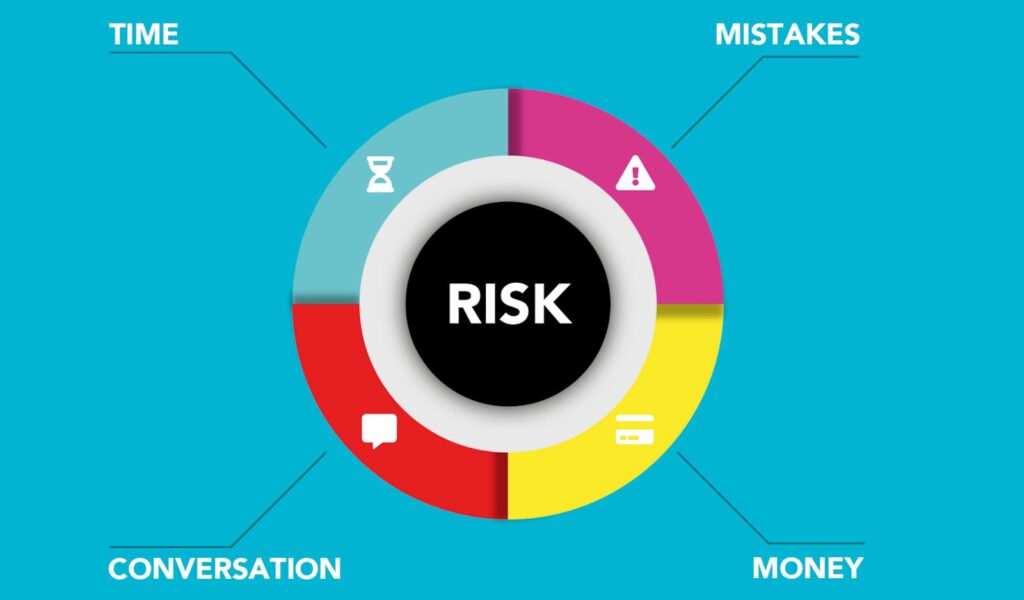
Retirement can be deceptively simple to imagine but surprisingly complex to live. Observing patterns over time reveals mistakes that quietly undermine satisfaction, even when intentions are good.
- Assuming retirement automatically brings happiness Relief from work doesn’t automatically translate to fulfillment. Without purpose or routine, the quiet can feel hollow.
- Treating retirement as a permanent vacation Vacations are temporary escapes; retirement is life. Expecting constant novelty or excitement can lead to disappointment.
- Waiting to “figure it out later” Delaying decisions about how to spend time, organize finances, or maintain health often leaves retirees unprepared when the moment arrives.
- Overspending out of fear or excitement A sudden influx of free time or resources can prompt impulsive choices, creating stress rather than freedom.
- Underspending out of anxiety Excessive frugality may preserve resources but can prevent the enjoyment they are meant to support.
- Losing social connections Work often provides structure and interaction. Without intentional effort, isolation can creep in unnoticed.
- Defining identity solely by past work When identity is anchored in former roles, confidence and purpose can erode after retirement.
- Avoiding conversations about money, health, or aging Silence may feel comfortable, but it delays necessary planning and adaptation.
- Trying to replicate someone else’s retirement Comparison rarely works. What appears fulfilling for another may not align with personal values or desires.
- Believing it’s too late to change habits or direction Adjustment is always possible, even later in life. Recognizing this opens room for meaningful choices.
3 Best Retirement Advice from Retirees with Little Money
Some of the clearest lessons about retirement come from those who haven’t relied on wealth to define it. Limited resources often bring an unusual clarity, revealing what truly matters when comfort cannot be bought.
1. Focus on what actually adds value
Many retirees with modest means distinguish sharply between needs and distractions. Status, appearances, or keeping up with others fall away, leaving only what genuinely enriches daily life. The simplicity that emerges is freeing. Days feel spacious when energy is devoted to what matters most, not to chasing expectations.
2. Build routines that support stability
When resources are limited, daily rhythms become critical anchors. Regular meals, consistent walks, and weekly calls with friends or family provide more than structure—they create psychological steadiness. Freedom is not the absence of routine; it is the ability to live within a rhythm that feels safe and manageable.
3. Embrace interdependence
Asking for help becomes less a sign of weakness and more a source of connection. Simple acts, rides, shared meals, tools lent or borrowed, reinforce social ties. Emotional resilience often grows in parallel with these connections, protecting against the isolation that can quietly creep into retirement.
Retirement Advice for 60-Year-Olds

Sixty is an unusual threshold. Retirement is close enough to feel tangible, yet daily life still carries familiar obligations. At this stage, people often oscillate between urgency and postponement, aware that time is limited, yet hesitant to make changes. Both reactions are natural, and both contain lessons.
One of the most important shifts around this age is moving from accumulation to simplification. Not just financially, but in life overall. Obligations that once seemed essential may no longer serve, while routines that bring comfort gain significance. Recognizing what can be released creates a subtle but profound sense of relief.
Health priorities also change. Small, consistent habits like walking, maintaining sleep, and eating with intention matter more than ambitious or sudden interventions. Energy is finite, and attention to preservation pays dividends over time.
Financial considerations tend to become more practical. The question shifts from “How much more can I earn?” to “How long will these resources support the life I want?” Honest assessment allows adjustments before stress becomes unavoidable. Some discover they have more than enough; others realize gaps that require planning. Both insights are valuable.
Finally, acknowledging the reality of aging without denial or fear can provide clarity. Acceptance removes some of the pressure that comes with pretending life can remain unchanged. At sixty, there is an opportunity to adjust with intention, not urgency, and to enter retirement with a grounded sense of self.
5 Simple Tips for a Happy and Wealthy Retirement
1. Make peace with the life you actually lived
Many retirees carry the weight of past compromises: long hours, missed moments, or choices made out of necessity rather than desire. True ease comes from accepting these experiences, not trying to rewrite them. Acknowledging regrets without letting them dominate frees energy for the present. Contentment often grows quietly from this kind of internal alignment.
2. Spend money to reduce stress, not just for pleasure
Early retirement can bring impulses to overspend in pursuit of excitement or “making up for lost time.” Satisfaction comes more reliably when money is used to simplify life, maintain comfort, and support meaningful experiences. Wealth that reduces friction rather than amplifying obligations creates long-term peace.
3. Protect your days before filling them
With work removed, it’s easy to fill time with obligations, activities, and social expectations, unintentionally recreating busyness. Leaving space for quiet, unstructured time allows curiosity, reflection, and rest to flourish. Protecting the rhythm of each day becomes a form of wealth itself.
4. Invest in relationships that matter
Work often provides social contact by default. After retirement, meaningful connections must be chosen and nurtured. Relationships that are consistent, authentic, and not dependent on convenience provide resilience and prevent the isolation that can quietly undermine happiness.
5. Redefine productivity on your own terms
Retirement removes external metrics of success, which can feel disorienting. Satisfaction emerges when productivity is measured internally through learning, creativity, contribution, or simply being present. Shifting perspective from output to engagement allows retirement to become a period of quiet growth, not decline.
These patterns, observed over time, reveal that a happy and wealthy retirement is rarely flashy. It emerges from alignment between time, energy, relationships, and self-understanding. Wealth and contentment appear less as goals to achieve and more as natural consequences of living deliberately.
101 Things to Do When You Retire

Retirement brings the unusual gift of time, yet it can also feel strangely empty if not approached with curiosity. What follows isn’t a checklist to complete, but a field of possibilities, some practical, some whimsical, all drawn from what retirees have found meaningful.
- Watch the sunrise without any agenda.
- Take a long, unhurried walk in a nearby park.
- Write letters to old friends.
- Keep a daily journal to notice small moments.
- Learn to cook a recipe that once felt too complicated.
- Revisit a hobby set aside years ago.
- Start a garden, even a small windowsill herb patch.
- Attend community events as an observer.
- Explore overlooked spots in your town.
- Try a class in something completely new.
- Listen successful people’s advice that was previously ignored.
- Experiment with photography, focusing on ordinary moments.
- Volunteer occasionally, for curiosity rather than obligation.
- Take short trips to unfamiliar places.
- Re-read books that shaped earlier years.
- Record family stories through conversations.
- Practice meditation or gentle yoga.
- Spend a day without screens.
- Sketch or paint without aiming for perfection.
- Organize old photographs or keepsakes.
- Visit museums or galleries.
- Explore cafés with no agenda other than observation.
- Practice gratitude by noticing small things.
- Learn new skills slowly.
- Join a book club or discussion group.
- Take long drives without a map.
- Cook a meal for someone unexpectedly.
- Observe birds or other local wildlife.
- Learn a foreign language casually.
- Take naps without guilt.
- Sit in silence in nature.
- Collect small treasures from walks, stones, leaves, and feathers.
- Watch old funny programs from childhood.
- Revisit neighborhoods from your youth.
- Practice mindful eating.
- Try journaling prompts for reflection.
- Take public transportation to new places.
- Attend lectures on unfamiliar topics.
- Spend an unscheduled day doing nothing.
- Explore simple woodworking or crafting projects.
- Organize small reunions with friends.
- Take online courses for curiosity, not certificates.
- Volunteer at a library or school.
- Bake bread from scratch.
- Plan a quiet picnic.
- Write short essays about life experiences.
- Visit botanical gardens.
- Learn to identify local plants or birds.
- Observe nature with intent.
- Savor different teas or coffees.
- Attend concerts or performances.
- Join amateur theater or reading groups.
- Listen to podcasts on unfamiliar subjects.
- Teach others what you know.
- Watch documentaries about distant places.
- Participate in community charity walks.
- Experiment with watercolor painting.
- Write letters to your future self.
- Memorize poetry or favorite book passages.
- Take a weekend retreat nearby.
- Explore your city’s history.
- Practice slow, mindful walking.
- Try calligraphy or creative handwriting.
- Visit farmers’ markets regularly.
- Learn origami or other small crafts.
- Watch clouds or sunsets intentionally.
- Start a modest collection—rocks, postcards, stamps.
- Host casual gatherings with friends or neighbors.
- Build something small, like a birdhouse or garden box.
- Take a philosophy or ethics course.
- Volunteer at a museum or historical society.
- Attend poetry readings or open mic nights.
- Care for a pet, if possible.
- Explore creative writing prompts online.
- Reorganize a room for comfort and reflection.
- Visit a library branch never explored before.
- Paint or draw outdoors.
- Take a solo retreat to reflect.
- Attend theater for a play you know nothing about.
- Try sewing, knitting, or simple crafts.
- Spend time at a beach or lake.
- Walk in the rain intentionally.
- Journal about emotions rather than events.
- Learn about ancestors’ homelands.
- Take day trips to nearby towns.
- Attend local farmers’ or craft fairs.
- Take casual art or photography classes.
- Record and reflect on dreams.
- Learn to identify stars and constellations.
- Practice slow, intentional walking regularly.
- Explore hidden historical sites locally.
- Try light physical activities like swimming, or horse ridding etc.
- Spend time with younger relatives without rushing.
- Send postcards to distant friends.
- Give food to poor people.
- Struggle to find life purpose.
- Experiment with woodworking or pottery.
- Sit in a café, observing quietly.
- Collect stories from neighbors or family members.
- Observe nature’s details deliberately.
- Occasionally, do absolutely nothing and notice how it feels.
The richness of retirement is not in completing a list, but in noticing possibilities. Some experiences will delight, some will feel ordinary. Both are meaningful. The practice of paying attention, choosing freely, and responding thoughtfully is where true wealth and contentment quietly appear.
Conclusion
Retirement rarely arrives as a tidy chapter. It unfolds slowly, bringing freedom but also new responsibilities. Satisfaction comes quietly, not from money or perfect plans, but from living in ways that feel aligned with daily habits, relationships, and personal values.
Peace grows when past compromises are accepted, days are protected, and connections are nurtured. Happiness often comes from noticing small pleasures, spending time meaningfully, and engaging in what feels authentic rather than impressive.
Retirement is not a reward or a chance to “make up for lost time.” It is a space to reflect, to live with intention, and to discover what life feels like without constant pressure. Success is measured by ease, connection, and honesty by how fully life is experienced in its own rhythm.