5 Lessons Men Learn Too Late in Life, and How to Learn Them Now, the Warren Buffett Way

A man named Karim worked hard for forty years, and he built a fine house with his own hands. He missed his sons growing up because work always came first, and he told himself he would make time later. When his father died last spring, Karim stood by the grave and wished he had sat with the old man more, and that wish came too late.
Most men learn the big lessons of life only after the chance to use them has passed, and the lessons men learn too late in life are often the simplest ones. Health, parents, small good acts, a good name, and a timely sorry are worth more than money, yet men learn their worth only when they start to slip away. This article names five of these lessons in plain words, and it shows how to learn each one now, while the time is still yours.
I once sat with an old man who had sold his shop and saved a large sum over his life. He looked at his fine house and his full bank book, and he said his one deep regret was the years he gave to work instead of to his family. His words stayed with me, and they are the reason this article speaks so plainly about time.
Warren Buffett is now in his nineties, and he often says that time is the one thing money cannot buy back. He spends his days reading and thinking, and he guards his good name as his most prized asset. His life shows that patience, a good name, and time with the people you love matter more than any pile of money.
Read these five lessons slowly, and mark the one that speaks to your own life today. You may see yourself in more than one, and that is normal for any man who works hard and loves his family. Pick the easiest lesson first, and start with one small act today, because a small act kept for years can change a whole life.
The short answer: the five lessons men learn too late in life are that health cannot be bought back, time with parents runs out, small good acts grow over years, a good name takes a lifetime to build, and sorry said early saves years. Each lesson has a small step you can take today, and none of them needs money or luck. Learn them now, while your health is strong and your parents are near, and your later years will be free of the deepest regrets.
Key Takeaways
- Health is wealth that money cannot buy back once it is gone.
- Time with your parents runs out, and no sum can buy one more evening with them.
- Small good acts grow over years into a life you can be proud of.
- A good name takes a lifetime to build and a single day to lose.
- Saying sorry early can save years of cold silence in a family.
1. Health Is Wealth You Cannot Buy Back
A strong young man feels like his body will last forever, and he treats it as if it can take any load. He skips sleep, eats fast food at his desk, and puts off the walk he promised himself each morning. The body keeps a quiet count of every skipped night and every rushed meal, and the bill arrives years later in pain and tiredness.
Karim learned this lesson at sixty, when his knees ached on the stairs and his doctor told him to rest. He had money in the bank and a fine house, yet neither could buy back the strong legs he had in his forties. He told his sons that health is the one wealth that cannot be bought once it is spent, and his sons listened in silence.
Health experts around the world say adults need about 150 minutes of movement each week, and that sum is only about twenty minutes each day. A brisk walk after dinner, a few stairs instead of a lift, and a full night of sleep are small acts that cost nothing. These small acts keep the heart strong and the mind clear, and they pay back for decades.
Start with one small change, and keep it so small that you cannot fail. Walk for ten minutes after lunch each day, and add five more minutes when the walk feels easy. A small start that lasts beats a grand plan that fades in a week, and your body will thank you in ten years.
Food is the second half of this lesson, and plain home food beats fast food almost every time. A plate with lentils, rice, greens, and fruit costs less than a meal bought on the street, and it keeps your energy steady all day. Cook one simple meal at home each day, and your body will feel the change within a month.
Sleep is the third part of this lesson, and many men treat it as time wasted. A man who sleeps seven or eight hours thinks more clearly, works with more care, and falls sick less often. Guard your sleep like you guard your pay, and let the phone rest outside the bedroom so the night belongs to you.
Your health is the ground under every other good thing in your life, and without it the finest house feels empty. Work, money, and plans all rest on a body that can rise each morning and do the day. Care for your body now, while it is still strong, and you will not have to learn this lesson when it is too late.
2. Time With Parents Runs Out
Parents grow old so slowly that a son hardly sees it happen, and then one day the change is plain. The father who once carried you on his shoulders now walks slowly to the gate, and the mother who cooked for you now rests more in the afternoon. Time with them feels endless when you are young, yet it ends one day without warning, and no man can buy it back.
A busy man tells himself he will visit next week, and next week brings more work and more excuses. The weeks add up into months, and the months add up into years that never come back. A son who waits for a free month will find that the free month never comes, and the visit never happens.
Call your parents today, and sit with them for one hour this week without a phone in your hand. Ask your father about his youth, and ask your mother about the days when you were small. Their stories are a treasure that dies with them, and an hour spent listening is worth more than a year of regret.
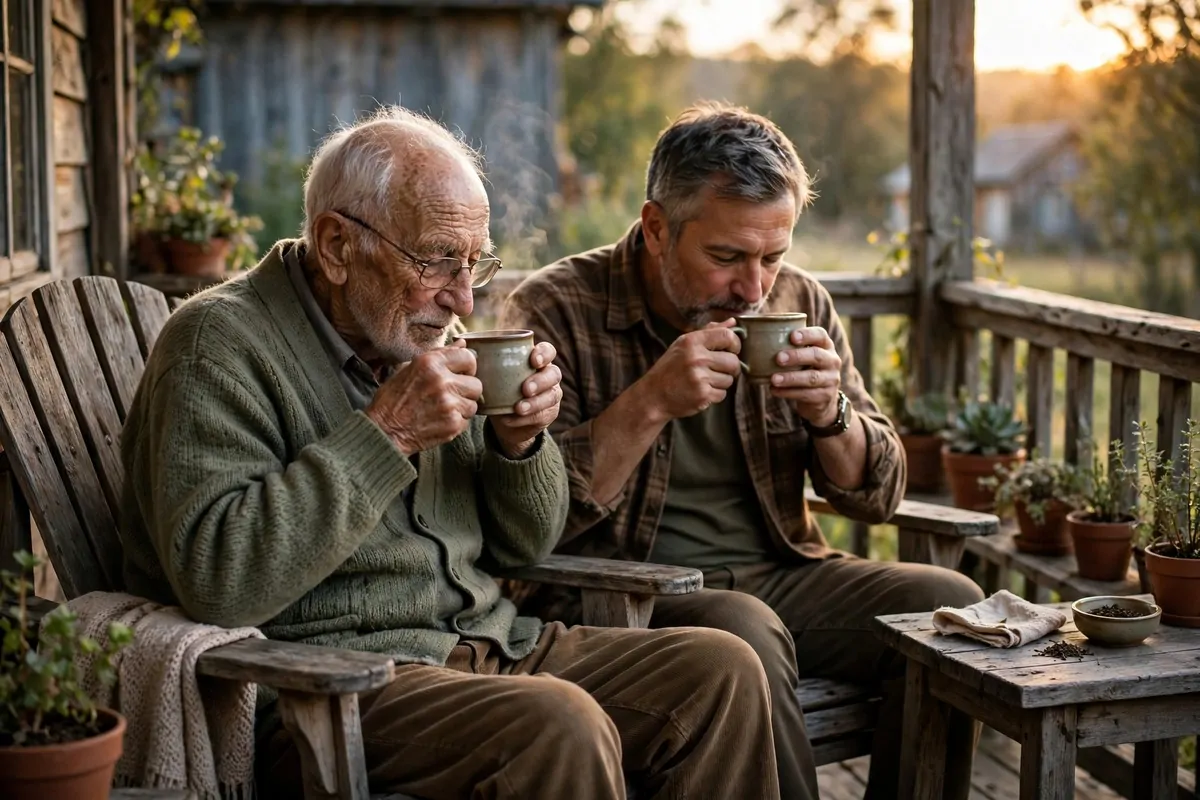
Karim now visits his mother every Friday, and he drinks tea with her on the old wooden porch. She tells him tales from his childhood, and he laughs at the small things he had long forgotten. Those Friday hours are now the best hours of his week, and he wishes he had started them twenty years sooner.
I still remember the last tea shared with my own father before he fell ill, and the talk was plain and warm. We spoke of his youth and of the hard years when he built our home with his own hands. That one hour is now worth more than a year of fine meals, and it is kept in my heart like a gift.
Do not wait for a feast day or a holiday to see your parents, because plain days are the ones that pass fastest. A short visit on a plain Tuesday can mean more than a grand feast once a year. Your parents do not need gifts, and they need your face, your voice, and your time.
Time with your parents is a door that closes a little each year, and one day it closes for good. Walk through that door now, while it is still open, and sit with them while you can. The lessons men learn too late in life start here, with a visit that costs nothing and means everything.
3. Small Good Acts Grow Over Years
A single kind act feels too small to matter, and most men pass it by without a thought. A kind word to a tired worker, a coin for a poor man, or a hand offered to an old neighbour all seem like nothing. Yet small acts kept each day grow like seeds in a field, and in ten years they make a harvest that no one can miss.
Buffett built his wealth the same slow way, and he often speaks of patience as the key to growth. He buys good things and holds them for years, and he lets time do the heavy work. Small good acts work the same way in a life, and each one adds a little to the sum that time will grow.
The math of small acts is plain, and it surprises most men when they first see it. One kind act each day is 365 acts in a year, and 3,650 acts in ten years. One hour with your parents each week is 52 hours in a year, and 520 hours in ten years. The numbers are small each day, yet they grow into a life that speaks for itself.
| Small act | Times in one year | Times in ten years |
|---|---|---|
| One kind word each day | 365 | 3,650 |
| One hour with parents each week | 52 | 520 |
| One page read each day | 365 | 3,650 |
Pick one small good act, and tie it to a thing you already do each day. Say a kind word to your wife before you leave for work, or help one neighbour each Friday after lunch. A good act tied to a daily habit is one you will not forget, and it will grow without effort.
Teach your children by doing, because children copy what they see far more than what they hear. A son who watches his father help a neighbour will help others without being told. A daughter who sees her father speak gently will speak gently too. Your small acts are lessons your children carry for life, and they cost you nothing.
Good acts also build a name that opens doors you cannot see yet. A man known for fair dealing and kind help finds friends in hard times, and his name travels ahead of him. Work done with honest care earns trust, and trust is a form of wealth that grows with each year. The harvest of small acts is a life that others respect and remember.
Start today with one small act, and let the years do the rest. A kind word, a helping hand, or an hour with your parents can be the seed of a harvest you will see in ten years. Small acts are the quiet way that ordinary men build an honourable life, one day at a time.
4. A Good Name Takes a Lifetime to Build and a Day to Lose
A good name is built slowly, one honest act at a time, and it is the most prized asset a man can hold. Each promise kept, each fair deal, and each kind word adds one more brick to the wall. The wall grows so slowly that a man hardly sees it rise, yet after twenty years it stands tall for all to see.
Buffett often speaks about how a good name takes years to build and can be lost in a single day, and his own life shows the care this idea demands. He guards his word with care, and he picks partners who do the same. A man who guards his name in small things will guard it in large things too, and the habit will save him when the test comes.
One careless act can undo years of honest work, and the loss comes faster than any man expects. A broken promise, a small lie, or a harsh word spoken in anger can travel far in a single day. The wall that took twenty years to build can crack in an hour, and the crack is seen by all.
Karim once lost a good friend over a small sum of money that he kept too long. He meant to pay it back, yet the months passed and the friend felt cheated. The sum was small, yet the trust was large, and Karim learned that a good name is lost in the small things first.
Guard your name with three plain habits, and keep them even when no one is watching. Keep every promise you make, even the small ones, and pay what you owe on the day you said you would. Speak well of others when they are not in the room, and refuse to spread a tale you have not checked. These habits cost nothing, yet they build a wall that stands for life.
If you have hurt your name, repair it at once with plain and honest action. Say you were wrong, make the loss right, and then live so well that people see the change. A name can be mended, yet the mend takes far longer than the break, so act while the crack is still small.
Your name will outlive your money, your house, and your fine clothes, and it is the one thing your children inherit free of cost. A son who bears a good name walks into rooms that open with trust. Build your name each day with honest acts, and guard it like the treasure it is, because a good name lost in a day can take a lifetime to win back.
5. Saying Sorry Early Saves Years
Pride keeps many men from saying sorry, and the silence grows heavier with each passing year. A harsh word at dinner, a missed promise, or a careless act can sit between two people for decades. The sorry that would have taken one minute grows into a wall that takes years to climb, and both sides lose the warmth they once shared.
Karim did not speak to his brother for eleven years over a quarrel about his father’s land. The sum at stake was small, yet the pride on both sides was large, and the years slipped away in silence. When they met again at a family wedding, they wept like boys and asked why they had waited so long.
Say sorry early, and say it plainly without excuses or blame. A plain sorry has three short parts, and they are that you were wrong, that you feel the pain you caused, and that you will do better. A sorry with excuses is no sorry at all, and it leaves the wound open for another year.
Do not wait for the other person to move first, because pride on both sides can freeze a family for a lifetime. The first sorry is the bravest act in any quarrel, and the one who says it first is the stronger of the two. Your brother, your wife, or your friend may be waiting for your word, and one call today can end years of cold silence.
Sorry is not a sign of weakness, and it is a sign of a man who values people more than pride. A strong man can admit a fault, and a weak man hides behind silence. Your children watch how you mend a quarrel, and they learn from your sorry how to mend their own.
Some sorries come too late, and the person you hurt is no longer there to hear them. Men who wait learn this hardest lesson at a grave, when the words they held back can no longer be spoken. Do not let your sorry wait for a day that may never come, and speak it now while the ears that need it can still hear.
One sorry today can save ten years of silence, and it costs only a minute of pride. Call the person you hurt, meet him face to face, and speak the plain words that heal. The peace that follows is worth more than being right, and it is a gift that both sides will keep for years.
Conclusion
These five lessons men learn too late in life share one plain idea, and the idea is that time is the one wealth that never comes back. Health, parents, small acts, a good name, and a timely sorry all grow in worth as the years pass. Learn them now, while your health is strong and your parents are near, and your later years will be free of the deepest regrets.
The fixes are small, and they ask for no large sum and no lucky break. Walk each day, visit your parents each week, do one small good act, guard your name, and say sorry early. Small acts kept for years can change the whole shape of a life, and they cost nothing but care.
I hope one lesson in this list stays with you after you close this page. Choose the lesson that speaks to your own life, and take one small step before the day ends. A small step today is worth more than a grand plan next year, and the years will reward the man who begins.
Your past does not decide your future, and your daily acts decide it one small choice at a time. A man who walks each day is richer in habit than a man who earns much and keeps no health. Habits are the true wealth, and they grow with every day you keep them.
Share this article with a brother or a friend who works hard and has little time to think. A shared lesson is stronger than a lonely lesson, and a family that talks plainly grows closer. Talk about these lessons at the dinner table, and let each person name one lesson to live. A home that talks with calm honesty is a home that grows rich in peace.
The road is long, yet it is walked one small step at a time. A year of steady steps beats a week of grand plans that fade. Keep the walk, keep the visits, and keep the small good acts each day. The steps are small, yet the direction they point is the direction of a life without regret.
Start tonight, before the day ends and the old habits return. Call your parents, take a short walk, or say the sorry you have held back. The future belongs to the man who begins, and the beginning is now. A year from today, you will be glad you started on this very night.